

The briefing · Vol. 08 · No. 004
8 September 2026 · Connectivity · In-space economy · Policy & capital · 11 min read
What installation actually buys
A commercial Mars pipe on a 2028 clock. Eighteen MEO buses for IRIS². €544M gated on European orbit. A Lightning bus into protected GEO. Two more Mira for TacRS. A 3-ton stage booked for removal. The mine still needs a place.
What this issue is actually about
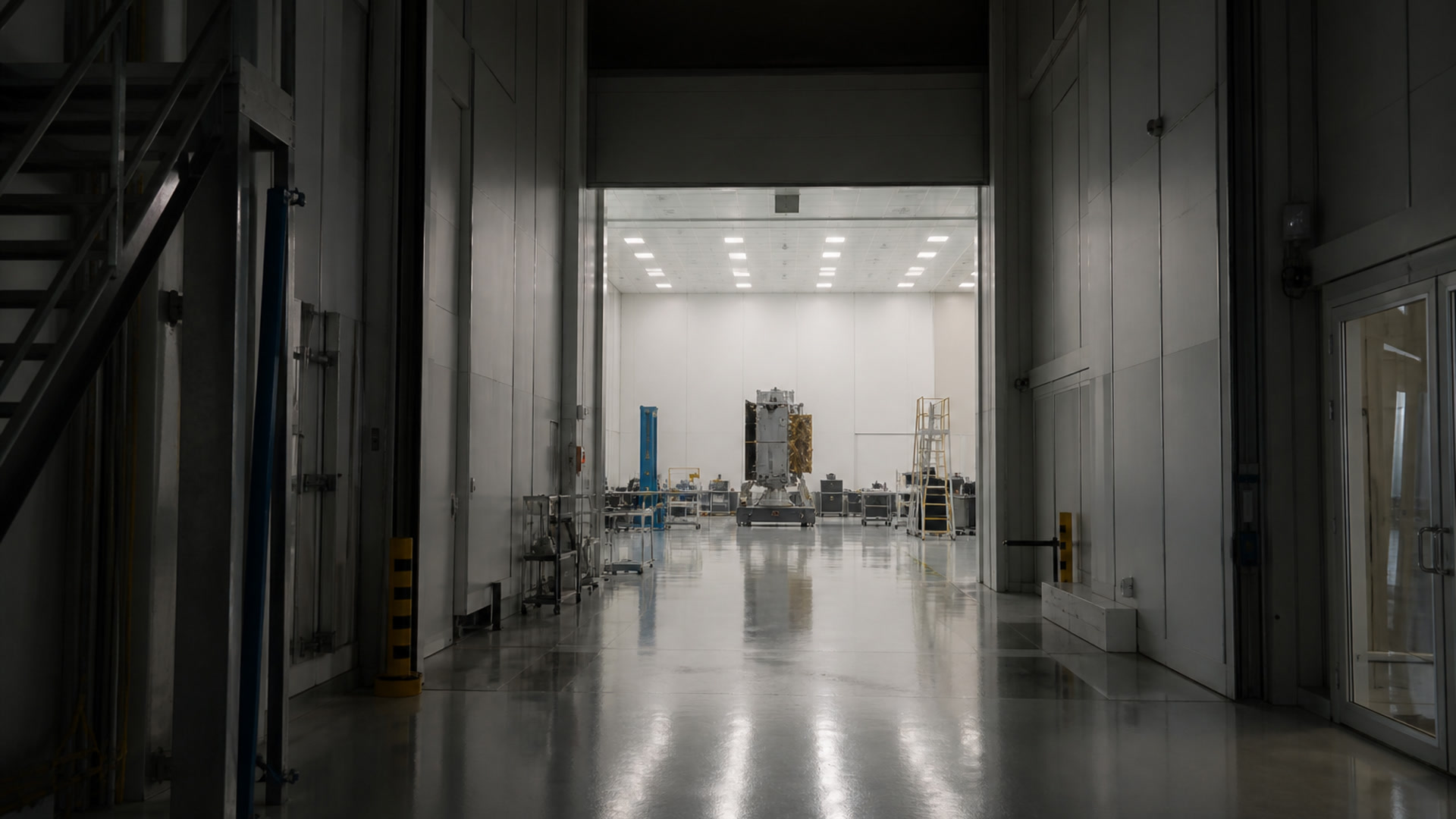
Awards are not installation. Installation is a platform line, a milestone book that only pays on flight, a bus in a contested GEO stack, a maneuver vehicle you can reorder, and a mine site where power and ice sit within a short haul. This issue is those layers.
Connectivity
NASA awards Blue Origin $700M for Mars relay
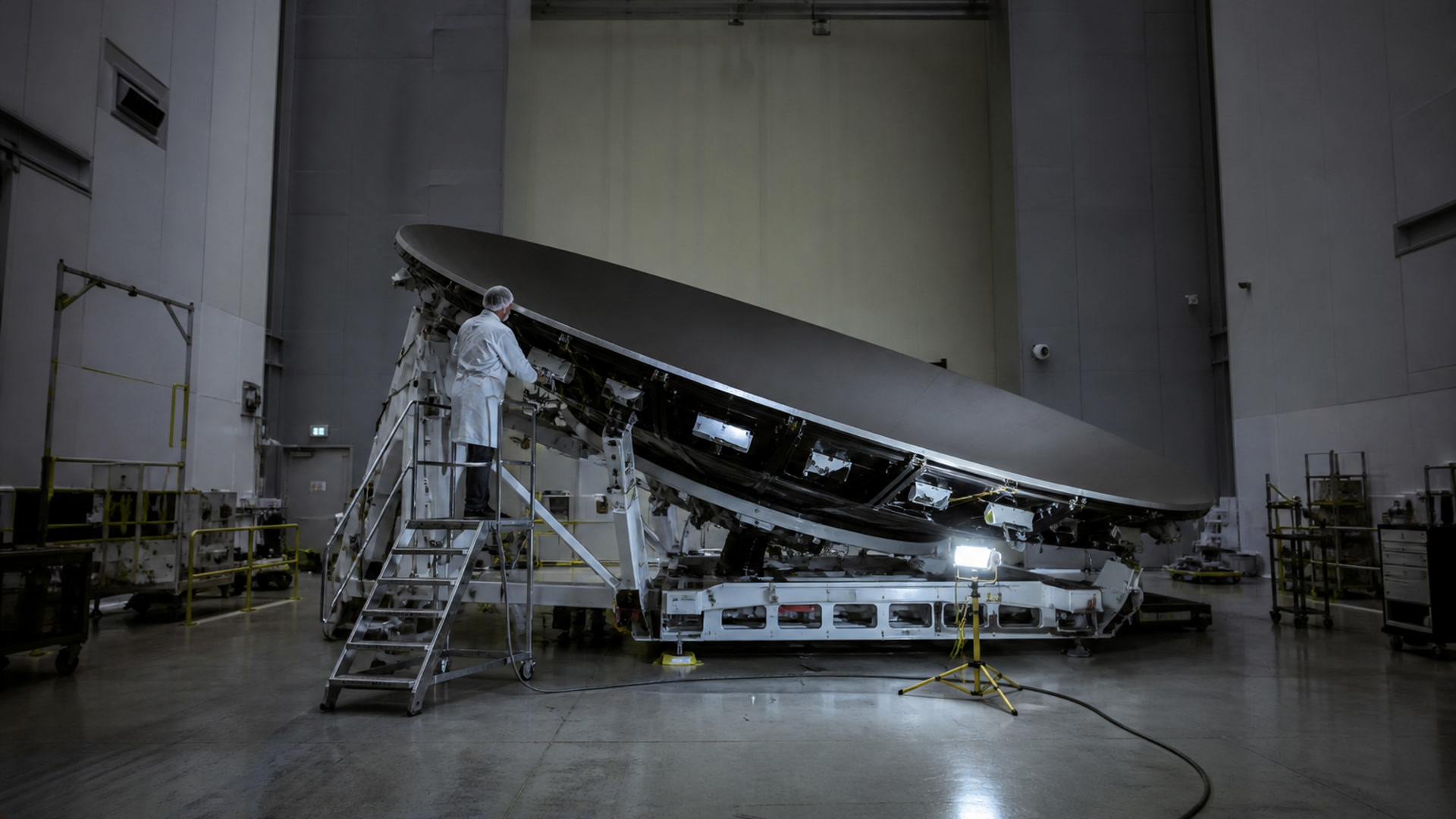
NASA awarded Blue Origin a firm-fixed-price contract with a maximum potential value of about $700 million to design, build, launch, and operate a Mars Telecommunications Network orbiter. Delivery is due no later than Dec. 31, 2028. Network operations at Mars are targeted for 2030.
The award, announced Sept. 1, sits under NASA's Space Communications and Navigation program. Blue Origin will put a high-bandwidth telecommunications spacecraft in Mars orbit to carry science data, imagery, navigation, and mission traffic for vehicles on and around the planet. The architecture is a commercial relay path, not a classic cost-plus NASA bus build.
NASA issued the request for proposal in May. The agency is extending the same commercial-provider model it uses for Earth-orbit transport and lunar communications into deep space. Current Mars missions lean on aging science orbiters for relay. This award buys a purpose-built commercial pipe on a fixed delivery date. Blue Origin has proposed a Blue Ring-class platform for the job. Flight heritage on that line is still thin. The contract clock is not.
SCaN keeps management. Blue Origin takes design through operations on a fixed price. That splits the risk: NASA buys a service architecture with a hard date; Blue Origin owns the integration and ops stack.
End of 2028 is a launch-and-arrive schedule measured in months, not a decade-long science-mission build. If the orbiter is on station by 2030, commercial Mars relay stops being a study and becomes infrastructure for every subsequent mission that needs the pipe.
Connectivity
OHB books ~€1B for IRIS²'s 18 MEO platforms
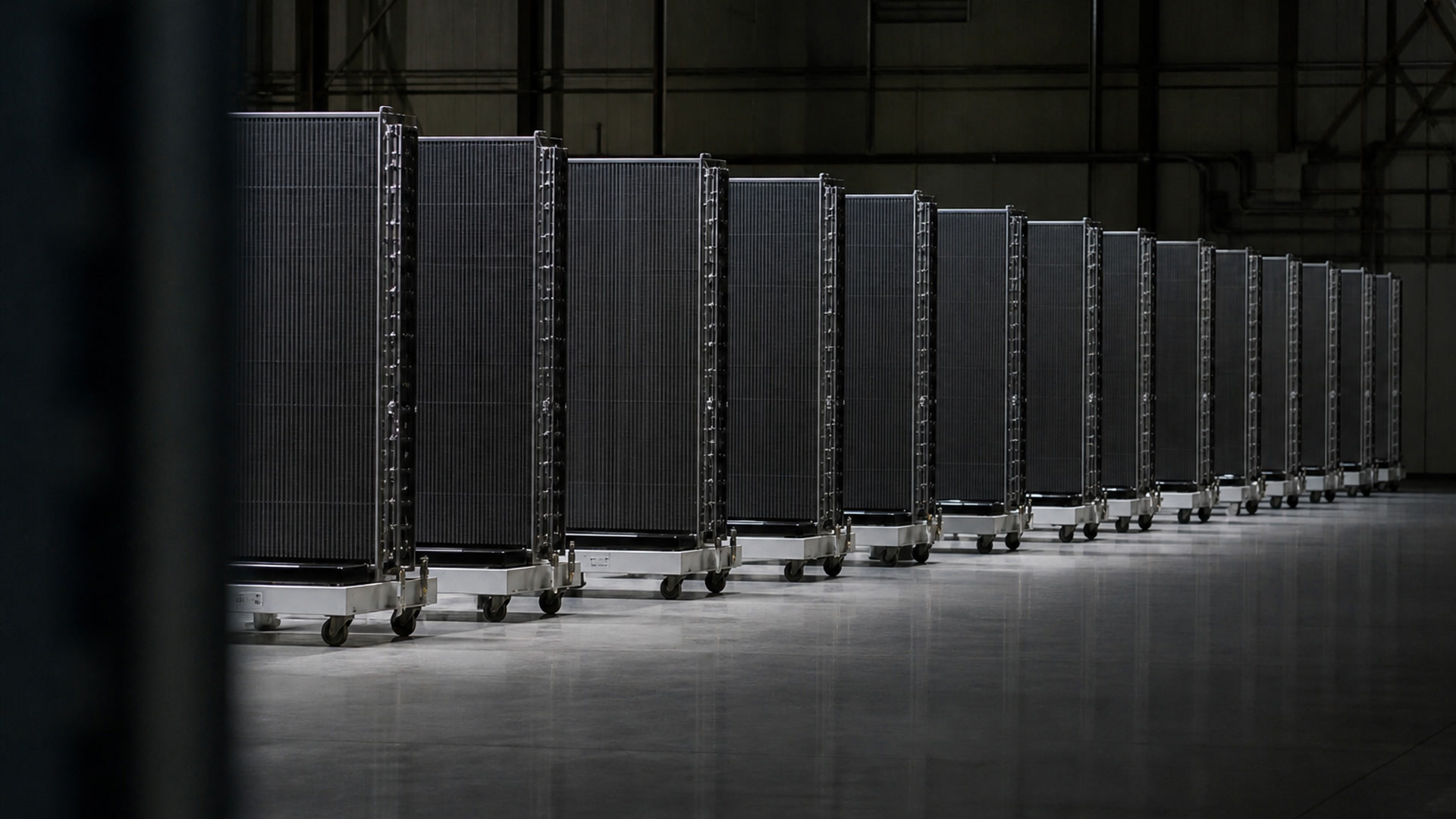
SES awarded OHB a contract worth nearly €1 billion to develop and produce all 18 medium Earth orbit satellite platforms for the EU's IRIS² secure-connectivity constellation. Each bus is about 2.6 metric tons at launch mass with roughly 15 kilowatts of power. The deal was announced Aug. 31, after the program entered implementation on Aug. 6.
IRIS² is sized at 348 satellites: 330 in low Earth orbit and 18 in MEO, plus optional add-ons. Total program cost after Rendez-vous 1 is cited around €15.6 billion. First satellites are planned for 2029, with initial services in 2030. The system is a public-private partnership led by the European Commission, with ESA and EUSPA on the technical side and SpaceRISE (SES, Eutelsat, Hispasat) as the concessionaire.
SES leads the MEO segment inside SpaceRISE. Eutelsat leads LEO. Hispasat owns the government ground segment. OHB sits on the industrial core team and now holds the full MEO platform order: design plus production of every one of the 18 buses. That is the first major industrial award under the IRIS² concession.
The MEO shell is the leverage. Eighteen heavy, high-power birds cut the satellite count needed for global coverage versus a LEO-only build, while the LEO layer keeps latency down. Platform mass and power set what the payloads can do and how many launches the shell needs.
Eighteen buses on a near-billion-euro line is the commitment. The test is whether OHB can deliver the flight units without the PPP schedule slipping.
Launch
ESA opens Launcher Challenge: €544M to Isar, RFA, PLD
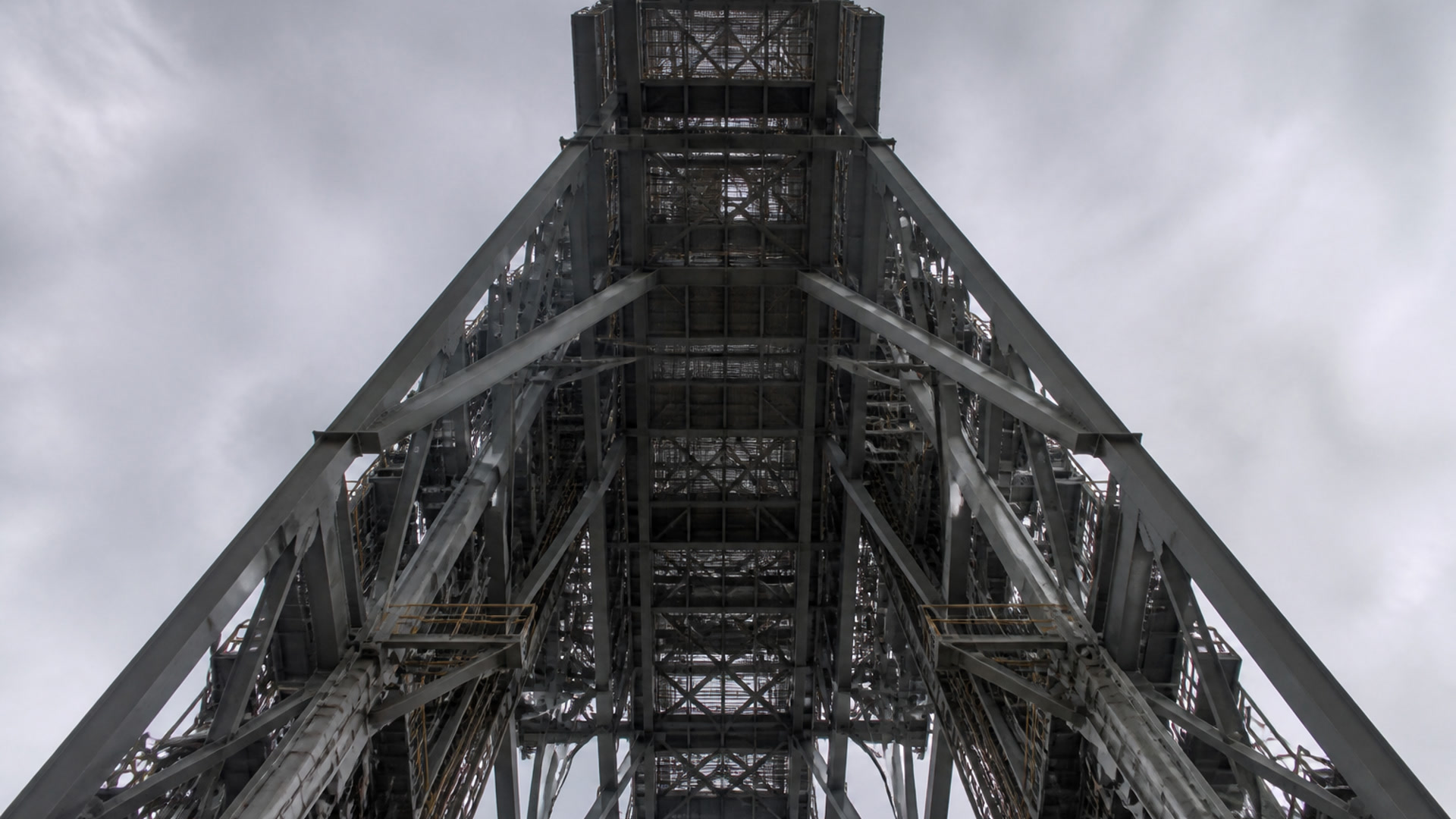
ESA signed the first European Launcher Challenge contracts totaling €543.6 million: €197.8 million to Isar Aerospace, €186.9 million to Rocket Factory Augsburg, and €158.9 million to PLD Space. The awards were announced Aug. 27. A MaiaSpace contract is still nearing completion.
The money is conditional. Challengers secure and unlock funds as milestones are met. ESA's gate is an orbital launch before 2028 to prove the service can deliver. Contract reporting splits the work into an ops path that needs orbit by the end of 2027 and an upgrades path that must show proposed improvements by the end of 2028. Either way, the cash follows demonstrated flight, not a brochure.
Isar is developing Spectrum at Andøya (about 1,000 kg to low Earth orbit in the current configuration). RFA is building RFA One for SaxaVord (about 500 kg to a 500 km sun-synchronous orbit). PLD is developing Miura 5 for Europe's Spaceport in French Guiana (about 540 kg to SSO), with upgrades aimed at heavier institutional and commercial missions. National subscriptions back each award: Germany leads on Isar and RFA; Spain leads on PLD.
This is the implementation phase after the April 2026 proposal round and CM25 funding. ESA is buying parallel European medium and small-lift capacity, not a single national champion. The payloads cited above are small-to-medium class; the industrial bet is a second and third European path to orbit beside the heavy vehicles.
Cash follows orbit. Until three companies clear that gate on a hard calendar, €544 million is a milestone book, not installed capacity.
Connectivity
Rocket Lab Lightning Goes GEO for Space Force PTS-G
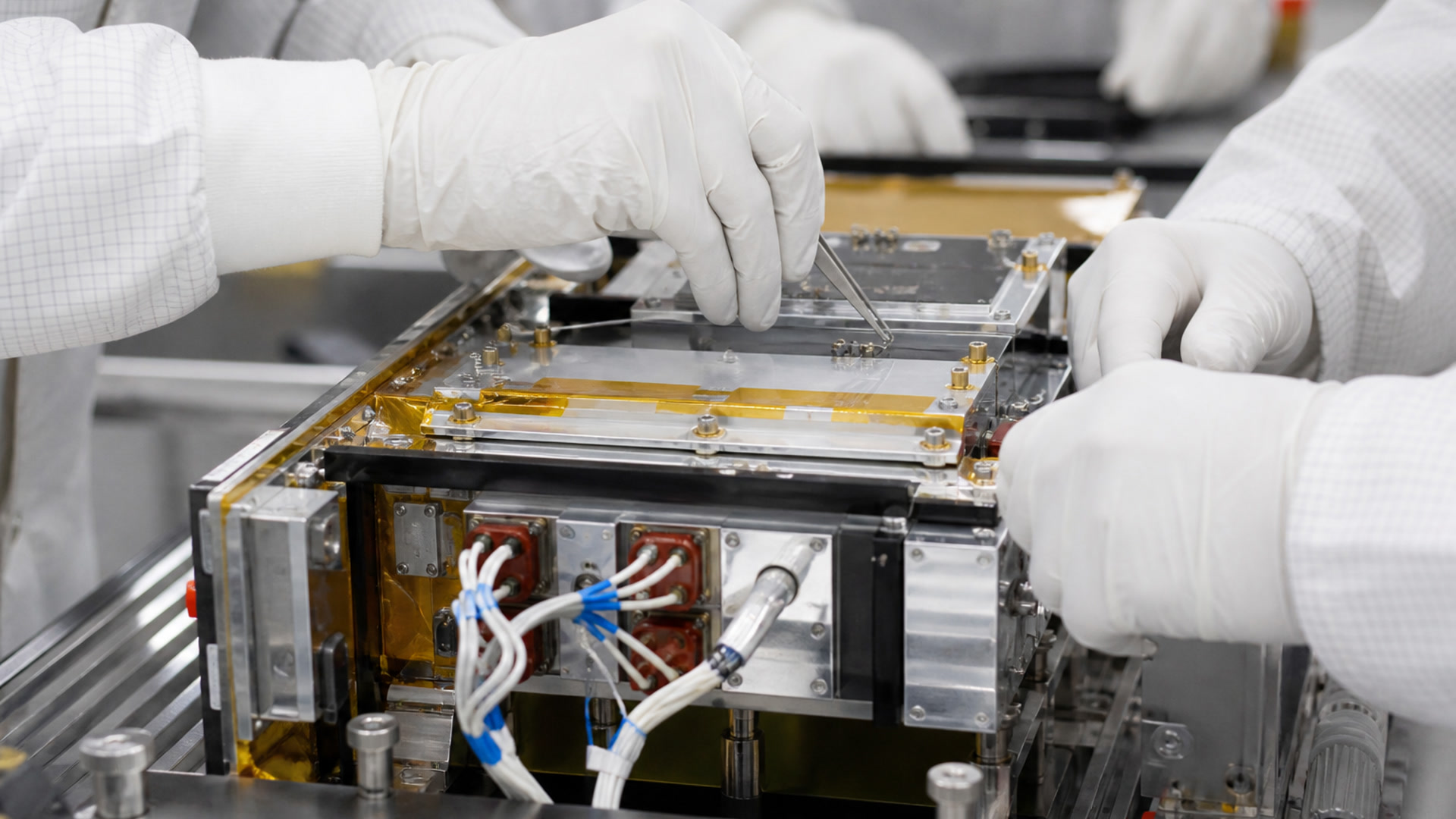
This is not Flatellites. Viasat selected Rocket Lab's Lightning-GEO bus on 17 August 2026 to host a dual-band X/Ka anti-jam payload under the U.S. Space Force's Protected Tactical SATCOM-Global program. The work sits inside Viasat's Swarm 1 production award from 22 May 2026: one mini-GEO satellite through build, launch, and checkout, plus five years of O&S.
PTS-G runs under a multi-award IDIQ with a reported ~$4 billion program ceiling. Swarm 1 is the first hardware delivery order after design maturation. Viasat is one of two primes under a Fair Opportunity split. IOC demos are projected around 2029. Rocket Lab's subcontract dollar figure is undisclosed. The industrial fact is the stack: commercial bus into protected GEO satcom, not another LEO sensing buy.
Lightning-GEO is built around Rocket Lab's own high-power architecture. The company lists vertically integrated TT&C, power, GNC, and flight software. The point is supply-chain control on a contested waveform bus, not a subsystem tour. Fabrication and payload integration are lined up at Rocket Lab Space Systems in Long Beach.
The Space Force is buying smaller, maneuverable GEO birds with Protected Tactical Waveform and spatial nulling instead of another exquisite legacy satcom. Viasat brings the payload and the government ops book. Rocket Lab brings a production bus that already lives in a commercial plant. Issue 002 covered Rocket Lab on Flatellites and AMTI. This piece is the GEO protected-comms path: bus production for Swarm 1, not airborne moving-target sensing.
Protected satcom is leaving design review and entering a factory schedule with a 2029 IOC clock. That is installation, not another study contract.
In-space economy
Impulse Mira Scales TacRS: +$28M for Victus Salo 2 & 3
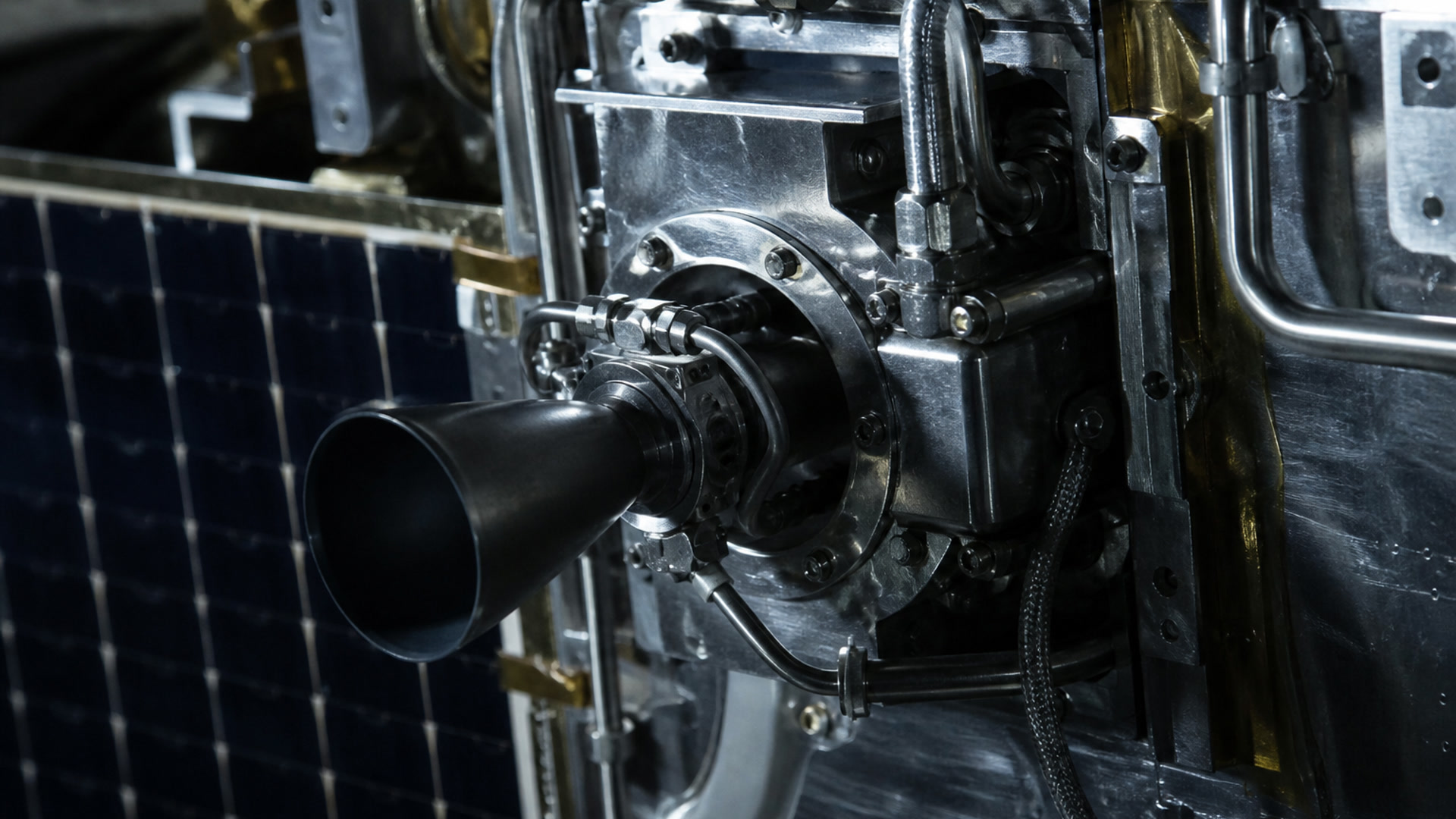
Space Systems Command's Space Safari office added $28 million to Impulse Space's SBIR Phase III on about 13 August 2026 for Victus Salo 2 and Victus Salo 3. Two more Mira spacecraft will fly government-supplied payloads in LEO. The modification lifts the responsive-maneuver contract to about $62.8 million from the original ~$34.8 million award that covered Victus Surgo and Victus Salo 1.
Mira is the product line, not a one-off demo bus. Impulse cites up to about 850 m/s of delta-v for a 100 kg payload through eight Saiph chemical thrusters. Salo 1 is still targeted for 2027. Salo 2 and 3 have no public launch windows yet. The Space Force is buying on-orbit agility after earlier TacRS work proved fast launch. Prepositioned high-Δv buses that can re-task when the picture changes are the next buy.
July's Helios NSSL Lane 1 on-ramp matters as eligibility. It is not this story. Helios is the high-energy kick stage path into the national-security launch pool. Salo is Mira flying again under Space Safari: hosted payloads, chemical propellant, and a contract that now covers three Salo missions plus Surgo. That installs a maneuver vehicle into a recurring ops line.
The dollars are smaller than a mega-constellation award. One Mira was a mission. Three Salo Miras plus Surgo is a mobility book with a 2027 first flight and two more birds already funded behind it. TacRS is starting to look like a product line the Space Force can reorder.
In-space economy
Astroscale Picks Isar to Deorbit a 3-Ton Rocket Stage
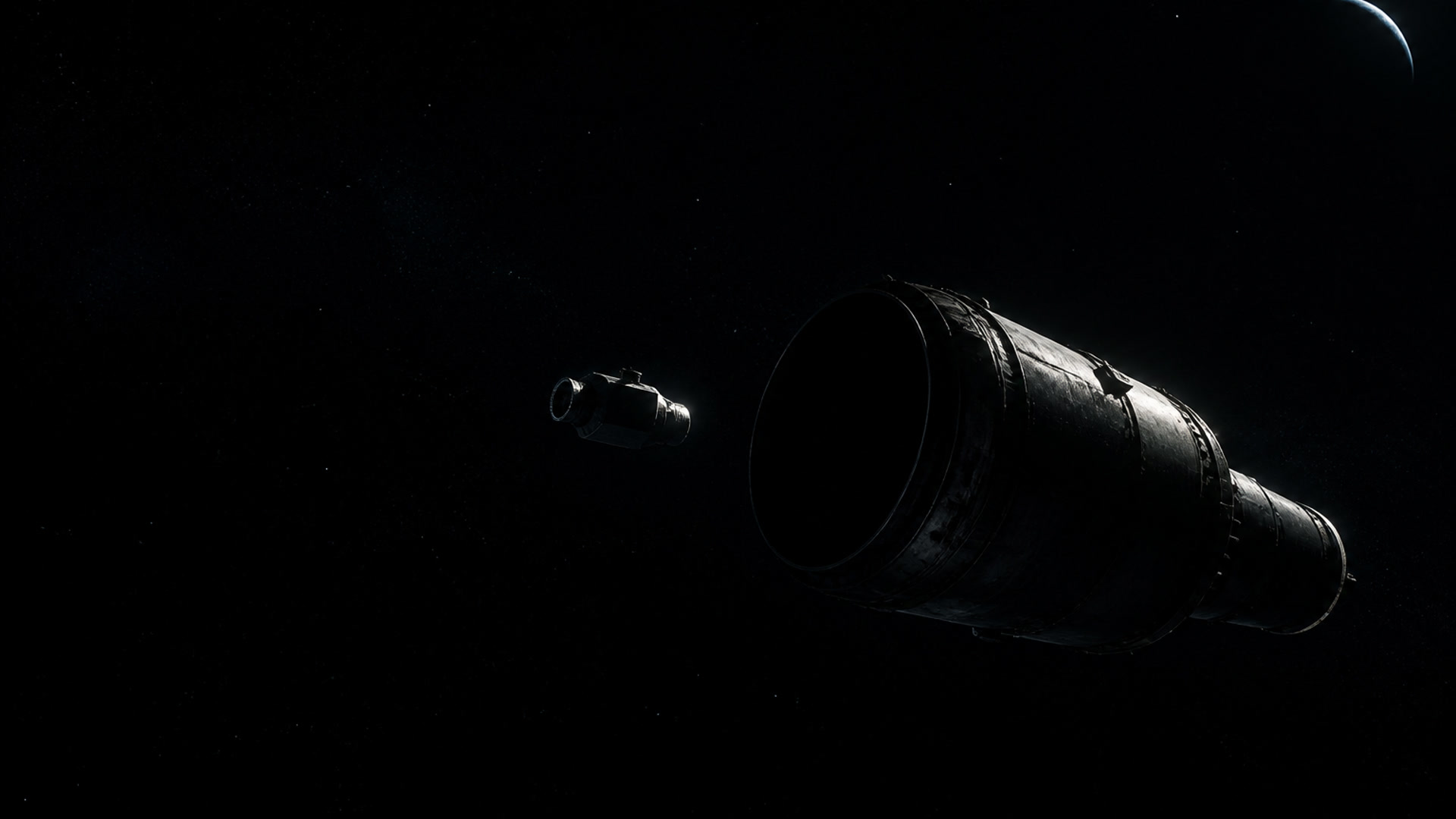
Astroscale Japan selected Isar Aerospace's Spectrum rocket to launch ADRAS-J2 in Japan's FY2027 window (April 2027 to March 2028), flying from Andøya Space in Norway. The target is a roughly 3-ton non-cooperative H-IIA upper stage left in LEO after a 2009 GOSAT launch: about 11 m long, 4 m across, never designed for capture.
ADRAS-J2 is Phase II of JAXA's Commercial Removal of Debris Demonstration. Astroscale's CRD2 contract is about ¥13.2 billion (~$82 million). Phase I flew ADRAS-J in 2024 and inspected the same stage, including the payload attach fitting planned as the capture interface. Phase II adds the robotic arm and the removal. This is not a dummy target launched for a demo. It is real debris with a prior RPO survey.
The launch-service dollar figure is undisclosed. Isar has not yet reached orbit. Spectrum's first flight failed about 30 seconds after liftoff in March 2025; a June attempt scrubbed. The company plans further Spectrum flights before ADRAS-J2. Astroscale told trade press it expects Isar to meet the schedule and values Spectrum's insertion precision for the rendezvous. Treat that as a schedule risk on the books, not a launch montage.
ELSA-M, from Astroscale's UK arm, is a second Isar booking aimed at FY2028 for magnet-fitted capture demos. ADRAS-J2 is the harder industrial step: capture and remove Japanese-origin large debris under a government commercial ADR program. The market path is inspection, then removal, then repeatable service.
JAXA money, a named 3-ton object, and a European launcher still proving orbit: that customer stack is the story. Removal is becoming a contract, not a concept.
In-space economy
Mining 4 of 6: Where
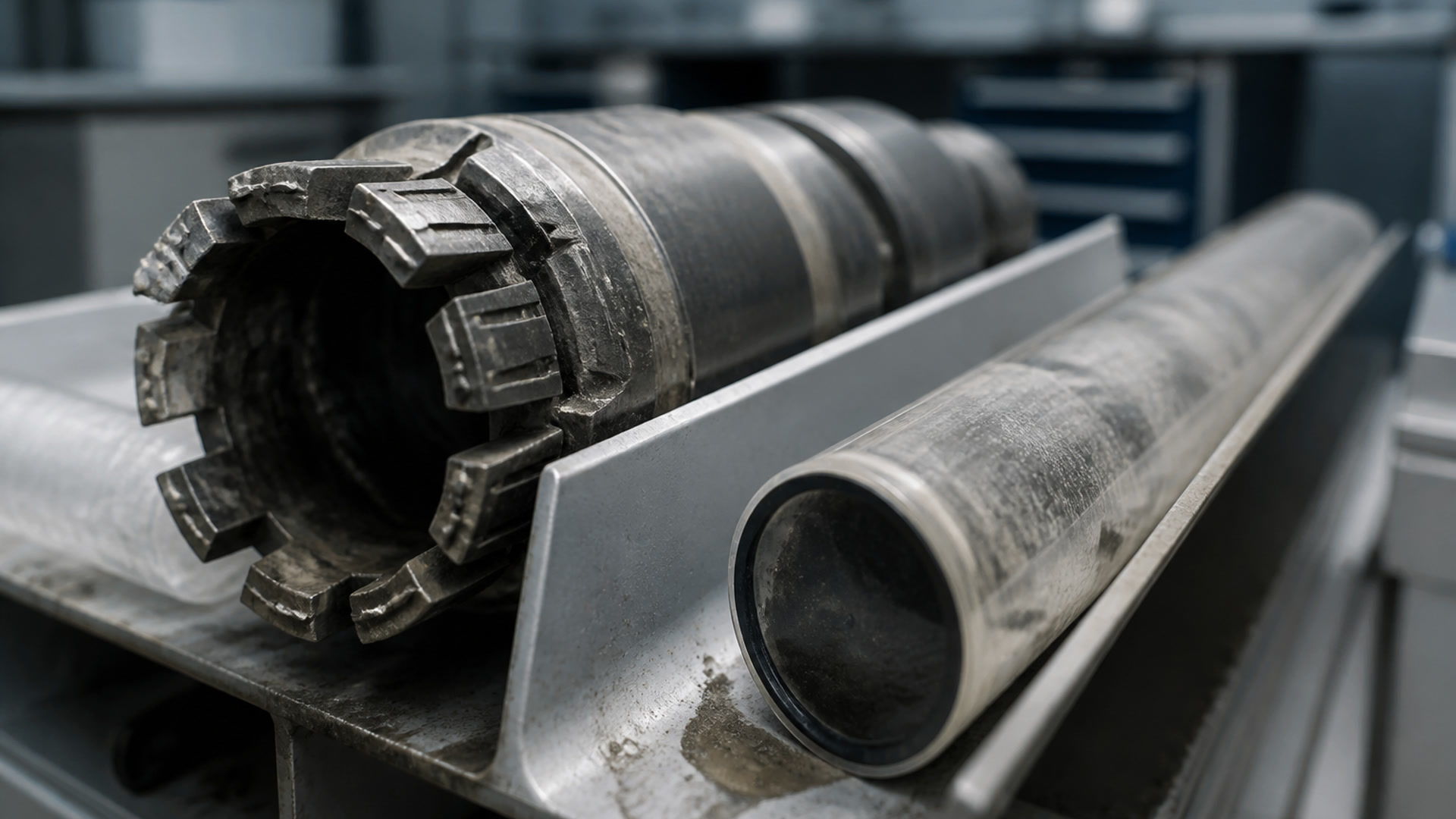
Site selection is the first capital decision. Before the digger or the plant, someone has to pick a patch of Moon where power, volatiles, and logistics sit within a short traverse. That is industrial siting. It is not exploration romance.
Poles and equator pull opposite ways. South polar highlands offer lit ridges for solar power and permanently shadowed regions that trap volatiles. Equatorial ground is thermally familiar from Apollo and simpler for Earth-facing geometry, but it lacks cold-trapped ice. Some oxygen-from-regolith paths can live there. Ice mining cannot. The trade is blunt: power wants the lit peak; ice wants the dark crater floor. Site selection is often the short haul between the two.
Near-side versus far-side is a communications tax. Early ISRU demos want direct-to-Earth TT&C. Far-side ground is radio quiet for science and expensive for ops until a relay (Gateway or lunar orbit relay) is real. NASA's Artemis III candidate list already bakes in Earth line-of-sight, lighting, terrain, and trajectory access as hard constraints.
There is no lunar land office. Coordination runs through Artemis Accords language, safety zones, CLPS pads, crewed sites, and commercial demos that must not foul each other's approach corridors. The public map private miners plan around is NASA's refined nine Artemis III regions (28 October 2024), from Peak near Cabeus B and Haworth through Malapert, Mons Mouton, Nobile Rim, de Gerlache Rim 2, and Slater Plain. That is where government crew lands first. Commercial ice work that ignores those regions is planning against the traffic.
South Pole-Aitken is a different kind of where. SPA is geology and sample-return: mantle chronology in the oldest large basin. South-pole PSR ice is operations: power on the ridge, feedstock in the shadow, pads between. They overlap near the rim. They are not the same mine.
Lava tubes and skylights are industrial real estate if they can be found. Shielding against radiation, micrometeoroids, and thermal swing makes them candidates for warehouses and plants, not tourist caves. Marius Hills and other LROC pits prove voids exist; polar tube inventory is still thin. Treat tubes as a sparse-data siting option, not a brochure amenity.
The belt and Mars are different Wheres. A metal-rich asteroid can be a prize, but it sits months away with no short haul between power and feedstock. Mars is a depot once you already live there, not the first mine. The Moon is near-term: delay in days, and you can land again.
Close the loop to the working face. A serious ISRU site stacks PSR ice, solar or nuclear power on lit ground, pads with plume standoff, a short haul, and a depot that makes propellant useful. LCROSS at Cabeus put water in a PSR plume at roughly 5.6 ± 2.9 wt% (Colaprete et al., Science 2010): proof-of-resource class, not mine grade. Sanders' Moon-to-Mars ISRU framing still starts at the south pole and treats site master planning as architecture.
Where chooses the balance sheet before the first cut. Next is mass off body: once the hole is fixed, propellant, tanks, and pad proximity decide whether product leaves the crater or sits as inventory.
End of issue 004
If this was useful, the next one lands Monday.