

The briefing · Vol. 09 · No. 009
13 October 2026 · Connectivity · In-space economy · Policy & capital · 7 min read
Off the line
Amazon builds its 1,000th Leo satellite while 396 have launched. Airbus ships the first 32 of 669 replacement OneWeb satellites from Toulouse. York clears design review on its first GEO spacecraft, a Space Force proximity demonstration. Fortastra and Kapta raise $54M for orbital defense hardware. Foothold 3 asks what keeps a lunar base powered through a night of almost 15 Earth days, and finds the reactor contract still a draft.
What this issue is actually about
Every piece this week starts where hardware leaves a line, and each one gets the funded, flown, second-source test. Amazon is funded and flying, and its factory now runs ahead of its rockets; its second source is in launch, with four providers signed from the start, not in the satellites it builds alone. Airbus restarts OneWeb production in Toulouse with 440 satellites under firm contract and state-guaranteed credit behind them, but every replacement comes off one line. York takes a builder organized for repetition into a bespoke GEO pair, funded, unflown, with no parallel builder named. Fortastra has a demonstrator flying and Kapta has classified contracts; neither can be scored for a second source yet. Foothold 3 of 6 takes the same test to the lunar night: solar funded only as ground prototypes, storage unfunded, and a reactor contract still in draft, so night power is not yet on order.
Connectivity
Amazon Leo builds its 1,000th satellite ahead of its rockets
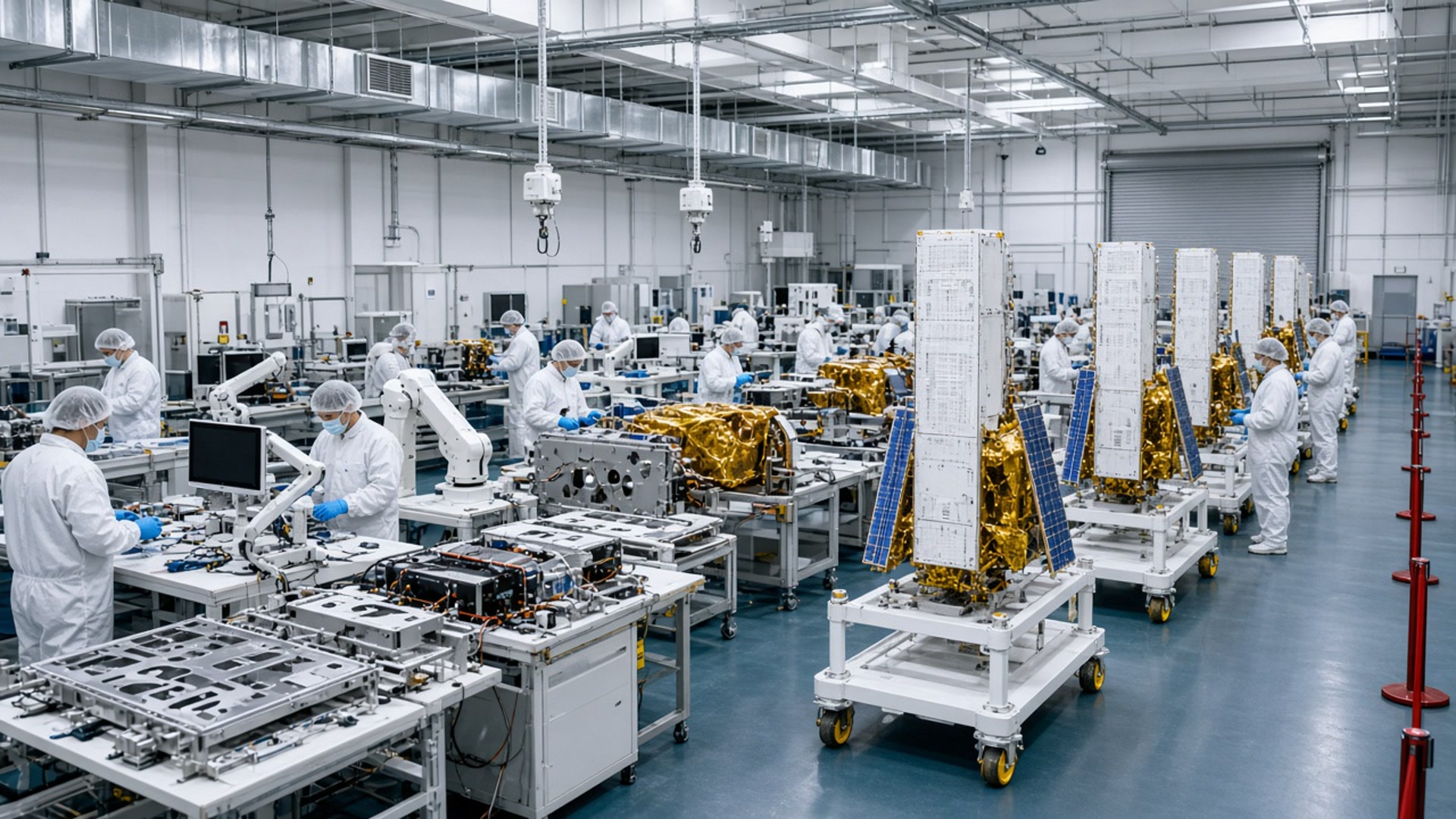
Amazon has built more than 1,000 satellites for its Leo broadband network at its factory in Kirkland, Washington. The first 27 took six months, program head Rajeev Badyal told Ars Technica; the line can now "easily make 27 a week." Amazon's own account says it builds at least three or four a day, against a factory capacity of five.
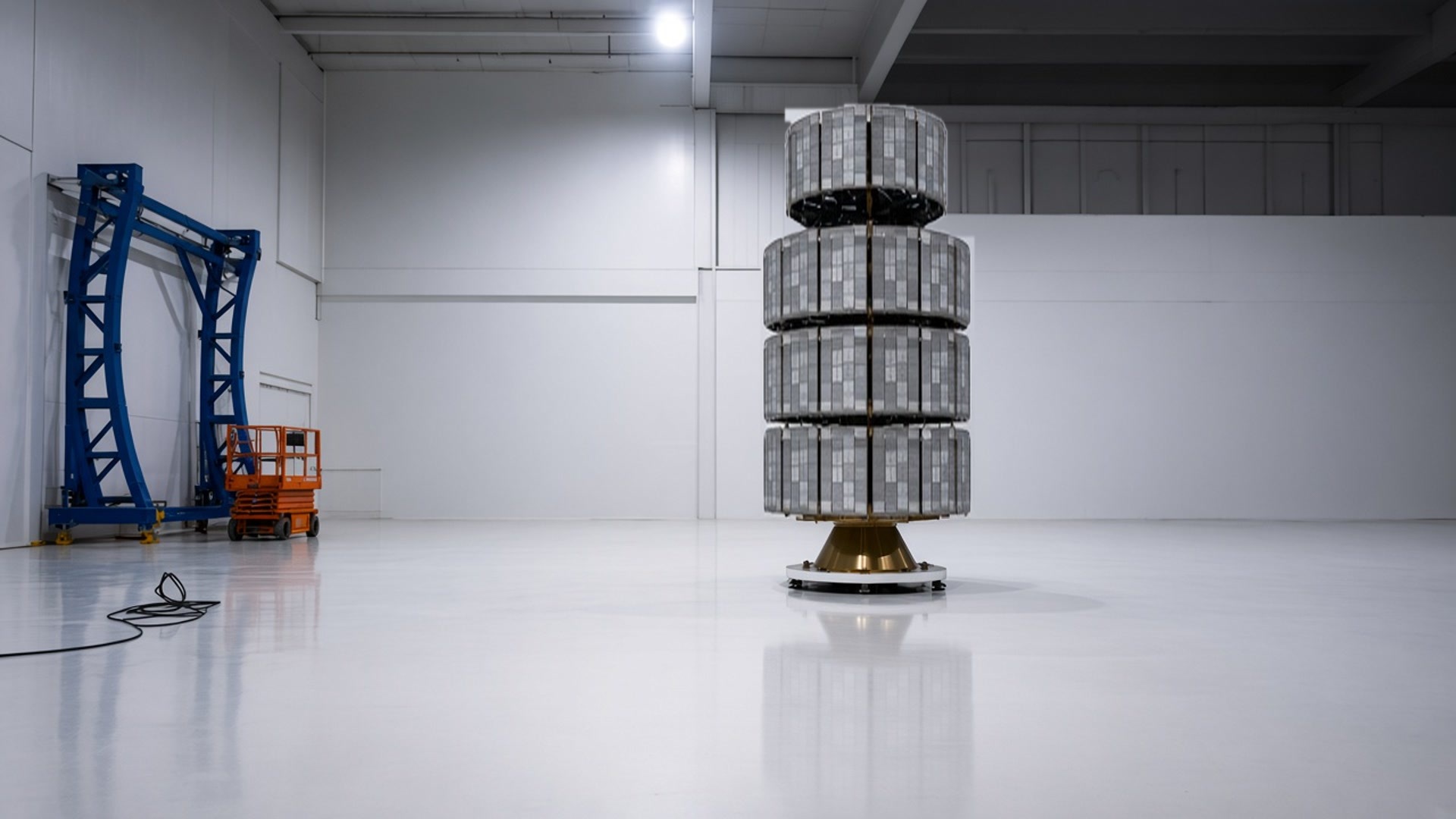
Output has outrun launch. Only 396 have launched, a figure Amazon, Ars and Via Satellite all report, and Amazon says four of those have since been deorbited. Hundreds more sit on standby at its processing facility at Kennedy Space Center. Two of the rockets Amazon booked are out of service, Via Satellite reports, and Badyal described delays at both providers to Ars. Satellites are already stacked for the next two launches, which Amazon expects in the coming weeks.
Amazon says its count is now more than a third of a first generation that Badyal puts at 3,232 satellites. The satellites already up are enough to begin service, Badyal told Ars, and Amazon plans to start it this year, as both Ars and Via Satellite report.
Funded, though Amazon discloses no figure, and flown, with 396 launched. Second source scores on launch: Badyal told Ars that Amazon signed four launch providers from the start, and he credits that spread for keeping deployment moving. The satellites themselves have no second builder; Amazon designs and builds them in-house.
A line that runs ahead of its rockets builds inventory, and inventory is capital that earns nothing until it flies. Amazon accepts that cost on purpose. Production head Paul Palcisco says the factory is paced so that no launch slot opens without satellites ready for it. From here, the rockets set the service date.
Connectivity
Airbus ships the first 32 replacement OneWeb satellites from Toulouse
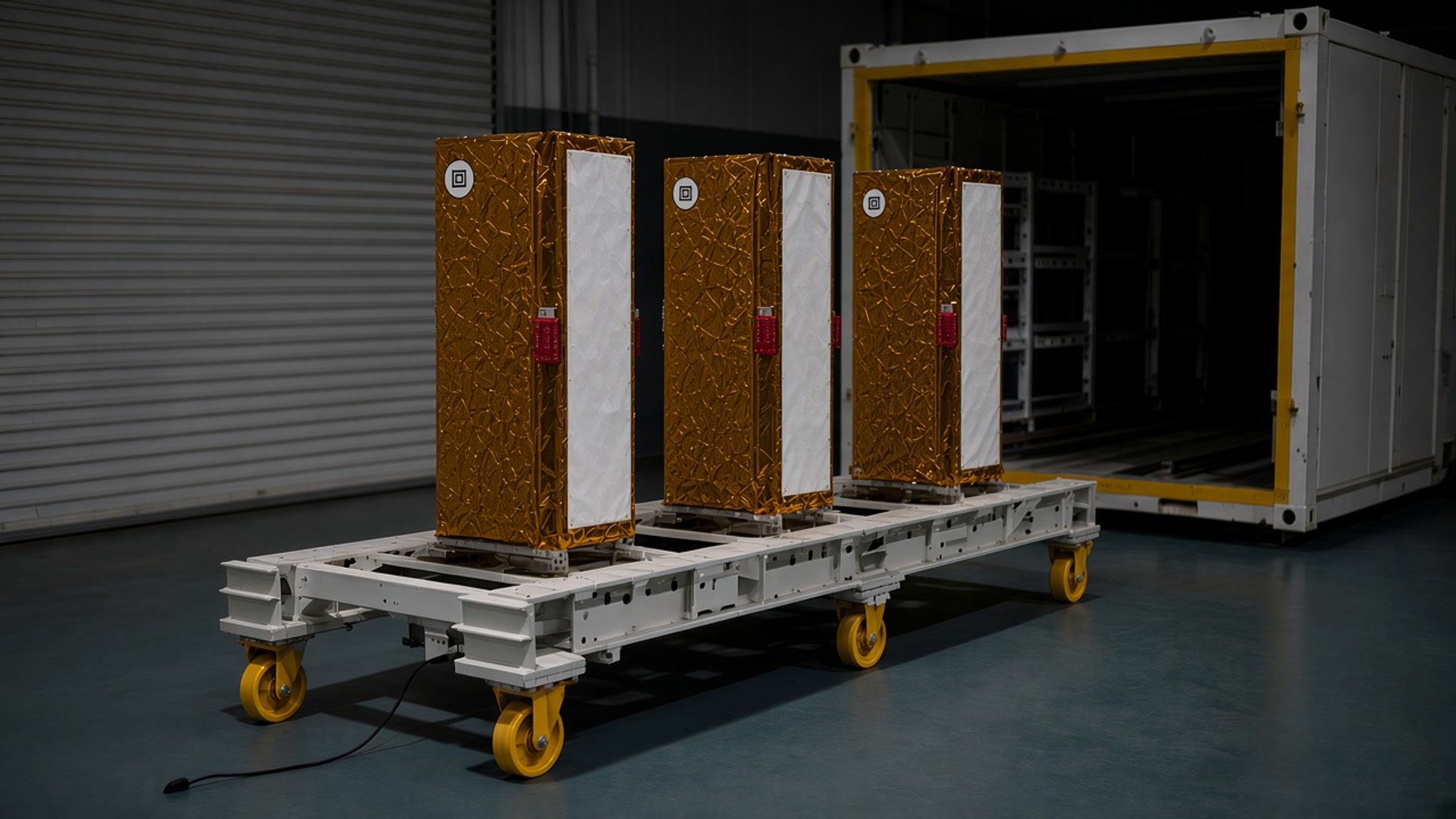
Airbus Defence and Space has delivered 32 new OneWeb satellites to Eutelsat from its constellation production facility in Toulouse. Like Amazon's, they now wait on a rocket: the batch is being prepared for a launch in the United States, and Eutelsat has given no date, Via Satellite reports.
These are replacements. The first OneWeb network was completed in 2023 and now flies more than 600 satellites in 12 orbital planes. The new spacecraft take over as early ones reach the end of their working lives. They also come off a series line in Toulouse, where OneWeb's first pilot satellites were built before series production moved to the former Airbus OneWeb Satellites joint venture in Florida.
The order book was built in steps. Eutelsat bought 100 satellites in December 2024 and 340 more in January. In February it signed about €1 billion of export credit financing for the 340, backed by a French state guarantee of roughly €975 million through Bpifrance Assurance Export. Disbursement still depends on conditions, including a bond issue. On Sept. 10, Eutelsat signed an authorization to proceed with Airbus covering initial work on 229 more, which brings the program to 669.
Funded for the 440 under firm contract; the last 229 are authorized for early work only. Flown, in part: the OneWeb design has a network in orbit, but nothing built in Toulouse has launched. Second source, no. Every replacement comes off one Airbus line.
Continuity now runs through a single building. The old satellites age on a fixed schedule, so the order count helps only if Toulouse delivers in step and launch slots open as each batch ships. Europe has its line back; its pace is still to be shown.
Backlog
York clears design review on its first GEO spacecraft for the Space Force
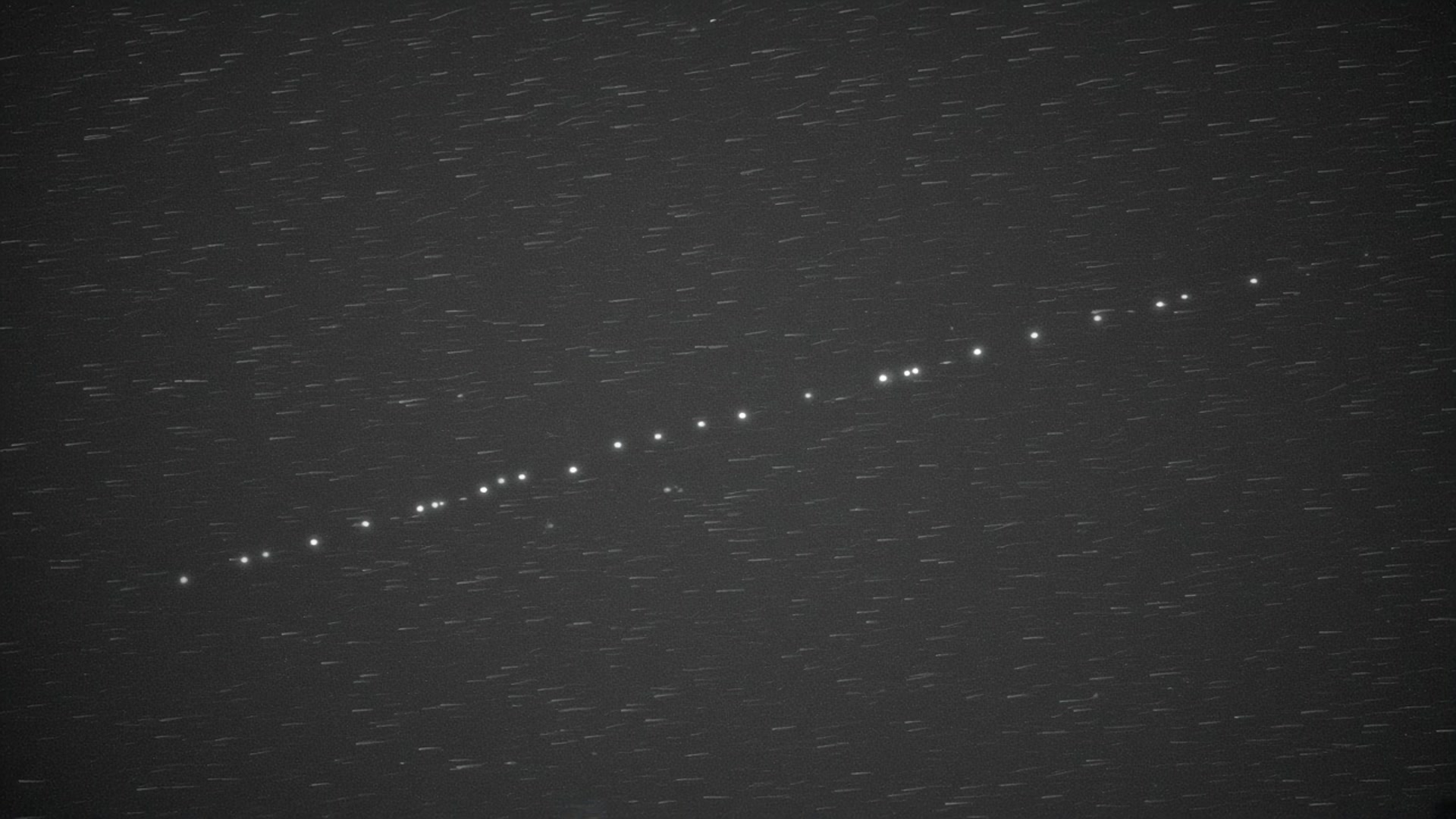
York Space Systems builds satellites for low Earth orbit in batches. It is one of three builders on the Space Development Agency's Tranche 1 Transport Layer, building 42 of its satellites, Via Satellite has reported. Now York is prime contractor on its first missions in geosynchronous orbit: the U.S. Space Force's Tetra 3 and Tetra 4.
The two spacecraft are a demonstration of rendezvous and proximity operations around other objects in orbit, the close-up end of space domain awareness. York lists the jobs as realistic on-orbit threat presentation, independent range data collection, small satellite risk reduction and experimental payload hosting. The sensors are a long-wave infrared camera, a LiDAR that York says can range objects at 20 kilometers, and a GPS side lobe receiver qualified for GEO, where a spacecraft sits far above the satellites it navigates by.
The missions have cleared a delta critical design review, the customer's sign-off to proceed to build. The review covered a new propulsion system added late for full mission capability. York says it absorbed the change without structural, thermal or power impacts. Delivery is due in the fourth quarter. York gives no contract value and no launch date.
Funded and under contract, with York as prime. Nothing has flown. Second source is open: no parallel builder is named for these two spacecraft, unlike the Transport Layer, where York is one of three.
A builder organized for repetition is taking on a bespoke pair, and a GEO proximity mission rewards precise maneuvering more than rate. A late propulsion change tests exactly that, so on-time delivery is York's first proof. The harder test comes near a real object in orbit, after a launch not yet scheduled.
Policy & capital
Fortastra and Kapta raise $54M for orbital defense hardware
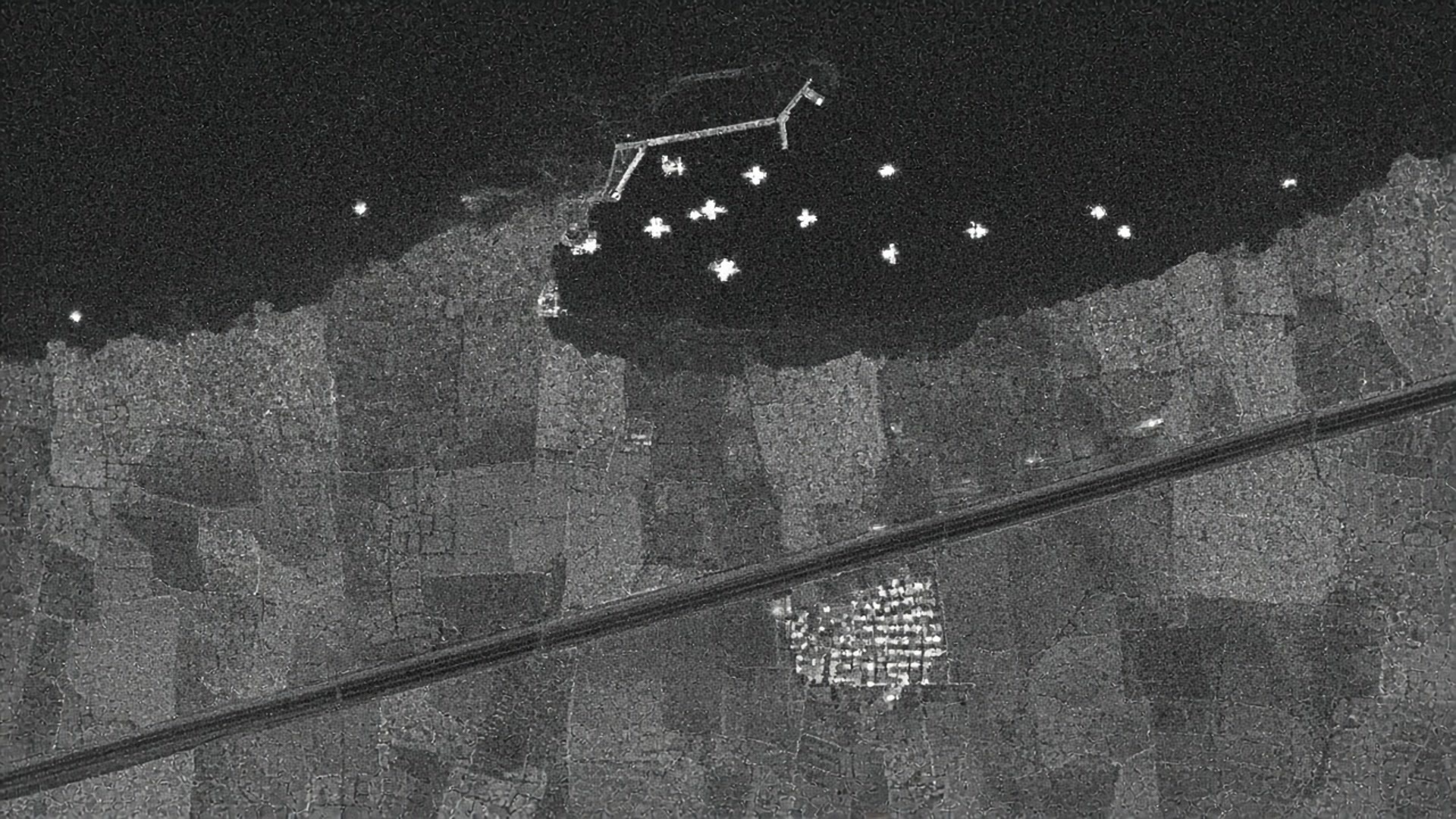
Two small defense rounds were announced a day apart: one for spacecraft that guard other spacecraft, one for radar that tracks things on the move.
Fortastra, of Torrance, California, raised a $30 million Series A led by First In. It builds maneuverable spacecraft meant to hold position near critical assets, evaluate the activity around them and respond to threats. Its first demonstrator, Watchdog V0-A, reached orbit on the same Oct. 1 rideshare that carried Varda's two capsules, less than a year after the company announced its seed round. The mission includes rendezvous and proximity operations, founder Mike Smayda told Via Satellite. The round pays for larger operational prototypes next, and for engineers in flight software, guidance and autonomy.
Kapta Space, of Seattle, raised a $24 million Series A led by Washington Harbour Partners and co-led by Bison Ventures, bringing its total to $30 million. Kapta builds radar payloads for moving target indication, which keeps track of vehicles, ships and aircraft as they move. Its electronically steered metamaterial array is meant to cost less and draw less power than conventional active arrays. The round funds production for multiple classified MTI contracts won this year, the company says. Flight qualification and a first orbital demonstration come next.
Both are funded. Fortastra has a demonstrator flying; Kapta has flown nothing. Second source cannot be scored for either, since Fortastra names no program and Kapta's contracts are classified.
Kapta's chief executive told Payload that a moving-target system needs satellites in the hundreds or thousands, which only works if each payload is cheap to build. These rounds pay for the step from a first unit to one a program office can order again.
In-space economy
Foothold 3 of 6: "Power or leave"
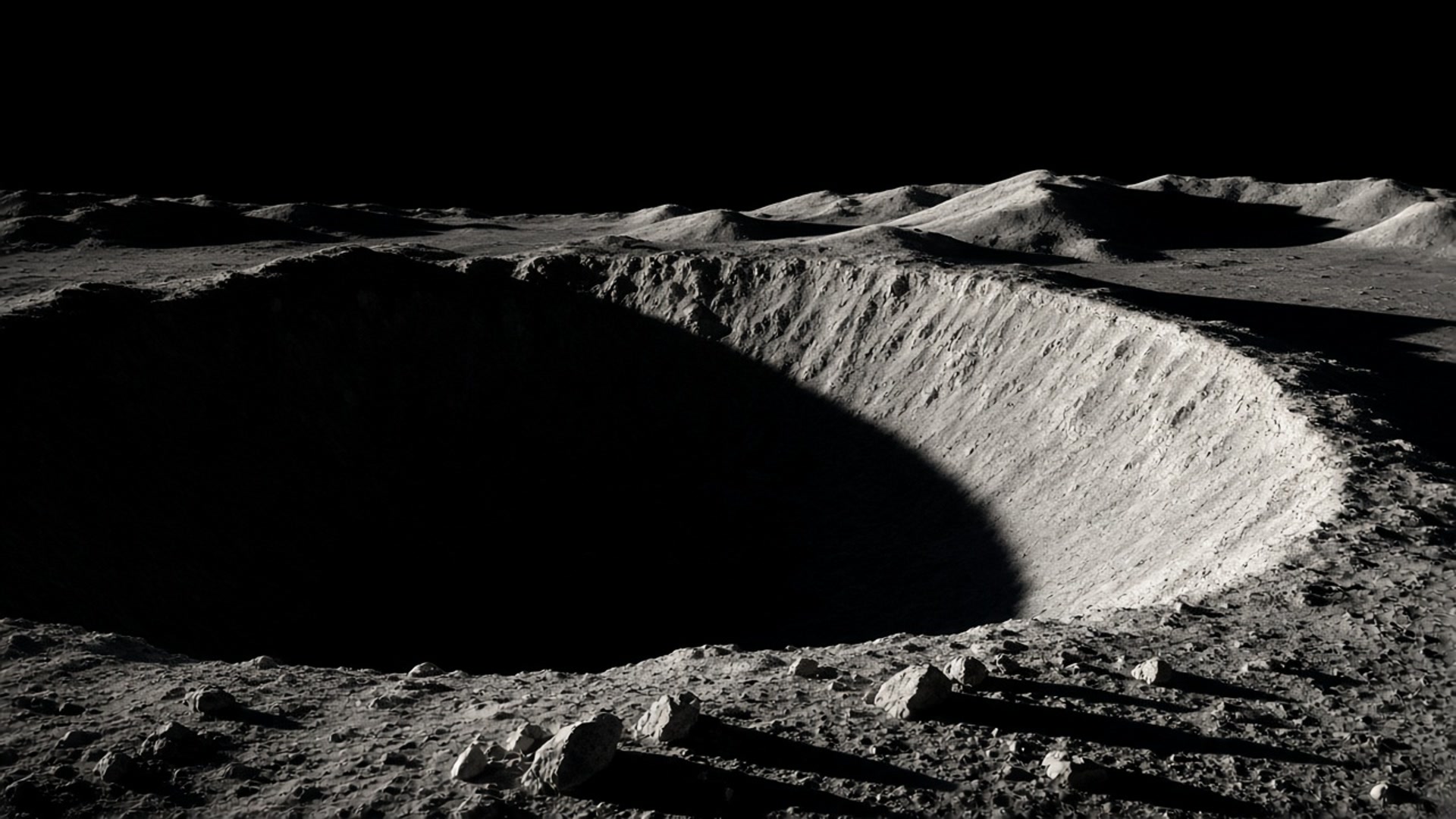
Foothold 2 ended on the first lunar night. NASA's draft reactor specification puts a number on it: full output through at least 354 hours of darkness, almost 15 Earth days. NASA's 2024 ranking of civil space shortfalls puts surviving the lunar night first. An oxygen plant that stops for half of every month is a demonstration, not supply. Every surface claim in this series assumes night power not yet on order.
The pole helps. A 2011 analysis of orbiter altimetry found a point near Shackleton crater's rim sunlit continuously for 240 days a year, its longest dark stretch about a day and a half. NASA's solar array work plans for 96 hours of darkness, not 354. But its Moon Base guide warns the low polar sun casts shadows that hinder solar generation, and the ice lies in craters it never reaches.
In 2022 NASA split $19.4 million among Astrobotic, Honeybee Robotics and Lockheed Martin for deployable arrays up to 32 feet tall. NASA's Sept. 8 infrastructure solicitation says those systems cannot move to a flight program because their weakest subsystems sit at technology readiness level 4. It seeks one to three awards to reach level 5 or 6 on the ground. Storage is thinner. Teledyne's hydrogen fuel cell drew a NASA collaboration slot that carries no funds. On distribution, Astrobotic's $34.6 million LunaGrid-Lite, a NASA Tipping Point cable demo from lander to rover, has not flown. Solar scores funded and second-sourced, though the money buys ground prototypes, and nothing has landed. Storage fills none of the three boxes, so it is not a foothold yet.
Fission is NASA's answer for the full night. In 2022 Idaho National Laboratory let three contracts of about $5 million each, to Lockheed Martin, Westinghouse and IX, for 40-kilowatt-class designs. An August 2025 NASA directive conceded more than $200 million spent since 2000 "with no significant advancement towards flight system readiness," raised the floor to 100 kilowatts and ordered two awards within six months of a solicitation. No award followed. In April a White House memorandum reset the floor to 20 kilowatts for launch by 2030, carried by multiple vendors through preliminary design.
NASA's Aug. 30 draft, Space Power and Reactor Capabilities, is a multiple-award contract with a $350 million ceiling. Its first task order, Lunar Reactor-1, asks for 20 kilowatts for five years near the south pole, through a hardware-backed preliminary design review in 18 months. Ordering opens April 15, 2027. NASA says the reactor lands in 2030, but the program's current scope ends at that review, and no fuel is bought under it. No award yet, nothing flown, a second source only on paper: fission is not a foothold yet.
The invoice before any habitat or oxygen claim is earned: reactor task orders signed with two or more vendors, fuel allocated and a test unit running in vacuum; solar and storage ordered as flight hardware, not another prototype round; and one system carrying a real load through a polar night. All of it has to land first, on more than one lander, so one slip cannot take the night shift with it.
End of issue 009
If this was useful, the next one lands in a few days.