

The briefing · Vol. 19 · No. 019
19 November 2026 · In-space economy · Policy & capital · Connectivity · Earth observation · 5 min read
The Bid for Avio
Iceye has made an all-cash tender offer for Italian launcher Avio at €41.00 a share, a bid that has not been accepted. A Vulcan failure destroyed 40 Amazon Leo satellites the day before the Space Force set a $985 million ceiling on National Security Space Launch Lane 2 awards, while Ramon.Space raised $124 million, Space42 posted nine-month results and LeoLabs bought FishEye.
What this issue is actually about
Iceye has launched an all-cash tender offer for Avio at €41.00 a share. The bid is an offer, not a completed transaction: Avio's board has taken note and opened its Article 103 assessment, and Italy's golden-power review remains open because no government communique has been issued. A United Launch Alliance Vulcan failure on Nov. 15 destroyed 40 Amazon Leo satellites, and the next day the Space Force awarded contract modifications for National Security Space Launch Phase 3 Lane 2 with a combined ceiling of $985 million and no funds obligated. Ramon.Space raised a $124 million Series B, Space42 reported nine-month results with concentrated government revenue, and LeoLabs acquired FishEye Software for an undisclosed price.
in-space
Iceye offers €41.00 a share in cash for Avio
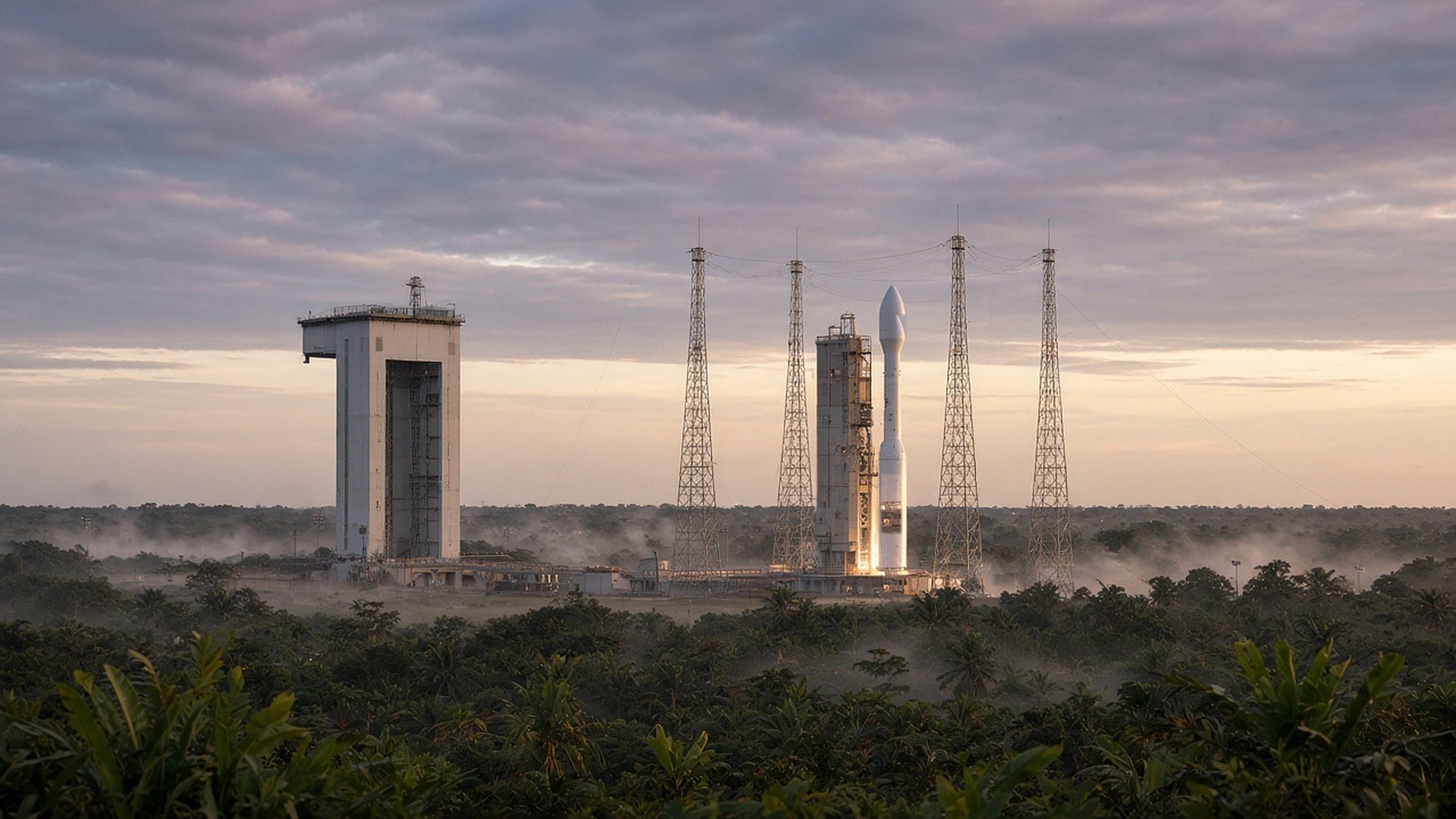
Iceye announced an all-cash voluntary public tender offer on Tuesday, Nov. 17, for all of Avio's ordinary shares at €41.00 a share. The Finnish radar-satellite company said the price is a 21.3% premium to Avio's official price of €33.79 on Nov. 16, a 29.6% premium to the one-month volume-weighted average and a 34.8% premium to the three-month average, both through that date. The Article 102 notice sets a maximum disbursement of €2,052,657,251 if all shares subject to the offer are tendered. AFP, in a calculation reported by Euronews, values the company at €2.05 billion, or about $2.2 billion.
Iceye said the combination would pair Avio's launch and propulsion work, including the Vega rocket, with Iceye's satellite manufacturing, constellation operations and intelligence services. It said it intends to invest an additional €1 billion in Italy over five years after completion, on top of Avio's existing plans, to expand industrial capacity and raise Vega's launch cadence. Those plans are post-completion intentions, not committed spending. The offer is subject to regulatory approvals, including Italy's golden-power review.
Avio's board, meeting in Rome the same day, said it had taken note of the Article 102 notice and started work to assess the offer and prepare the issuer's statement under Article 103. Leonardo, Avio's largest shareholder, holds 18.04% of the company, according to the notice, and the Italian state owns about 30% of Leonardo, Euronews reports. Leonardo has issued no official release on the offer. There has been no Italian government communique.
in-space
Vulcan loses 40 Amazon Leo satellites as NSSL Lane 2 awards add a $985M ceiling
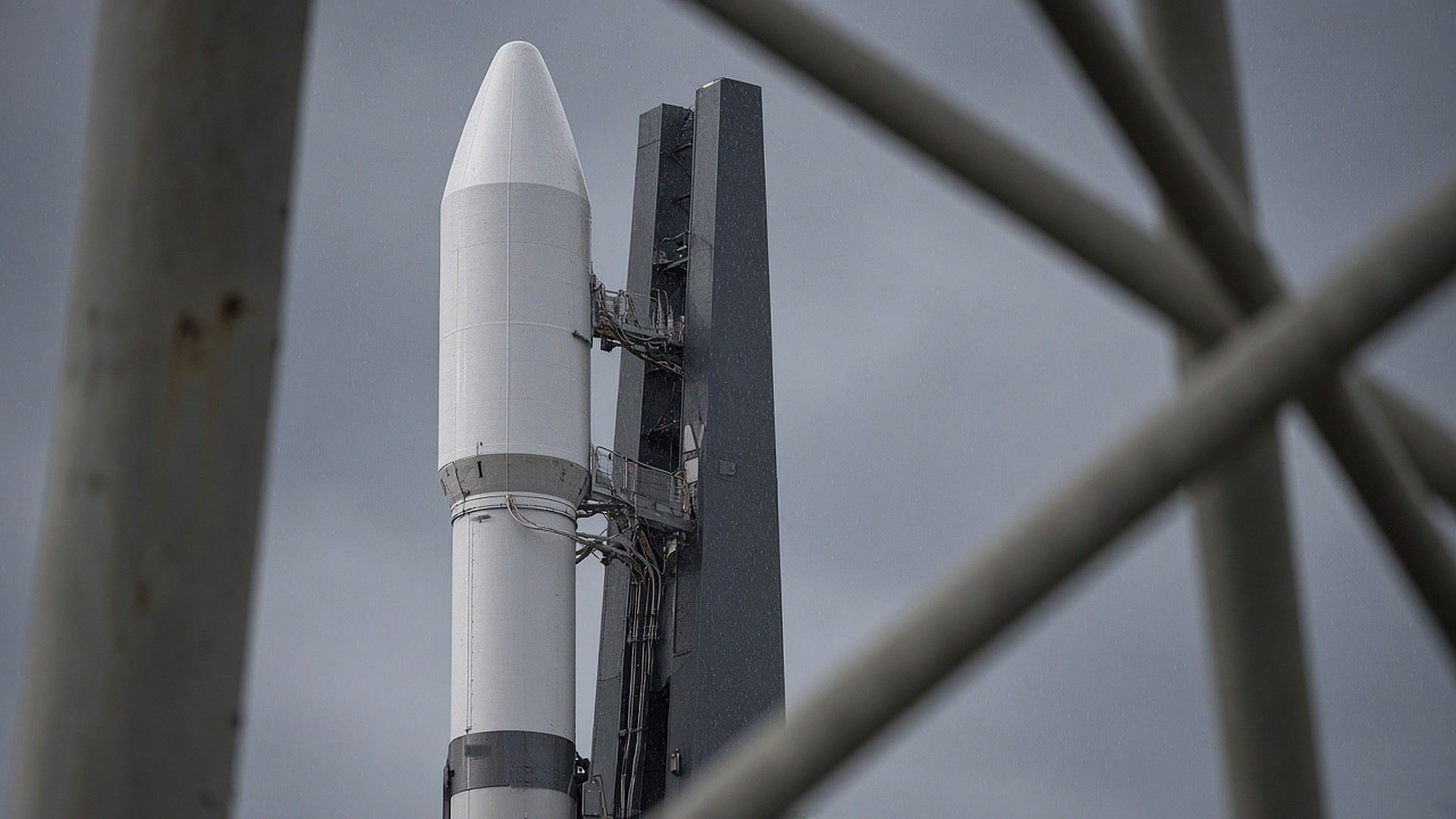
A United Launch Alliance Vulcan rocket failed about 10 minutes after liftoff from Space Launch Complex 41 at Cape Canaveral on Sunday, Nov. 15, and did not deliver its payload of 40 Amazon Leo satellites to orbit, ULA said. Reuters and Via Satellite also report that all 40 satellites were lost. It was ULA's first mission failure since the Boeing and Lockheed Martin joint venture was formed in 2006, Reuters reported.
In a Nov. 17 update, ULA said early indications are that the vehicle had low booster performance just after liftoff, so stage separation occurred at too low an altitude and below the minimum velocity needed to reach orbit. The second stage appeared to start normally, with its RL10 engines operating as planned, but could not recover, the company said. Solid-rocket performance appeared nominal after nozzle improvements made for this flight. Telemetry and the mission were lost at about 10 minutes. The FAA is overseeing the ULA-led investigation and must approve the final report and any corrective actions.
On Monday, Nov. 16, the U.S. Department of War announced contract modifications for National Security Space Launch Phase 3 Lane 2 launch services, awarded to SpaceX, United Launch Alliance and Blue Origin, with a combined maximum ceiling of $985 million. Work is expected to be completed by April 2033 at contractor sites, Cape Canaveral Space Force Station, Kennedy Space Center and Vandenberg Space Force Base. No funds were obligated at award, the department said. GovCon Wire reported the same ceiling, awardees and completion date.
in-space
Ramon.Space raises a $124 million Series B led by PSG
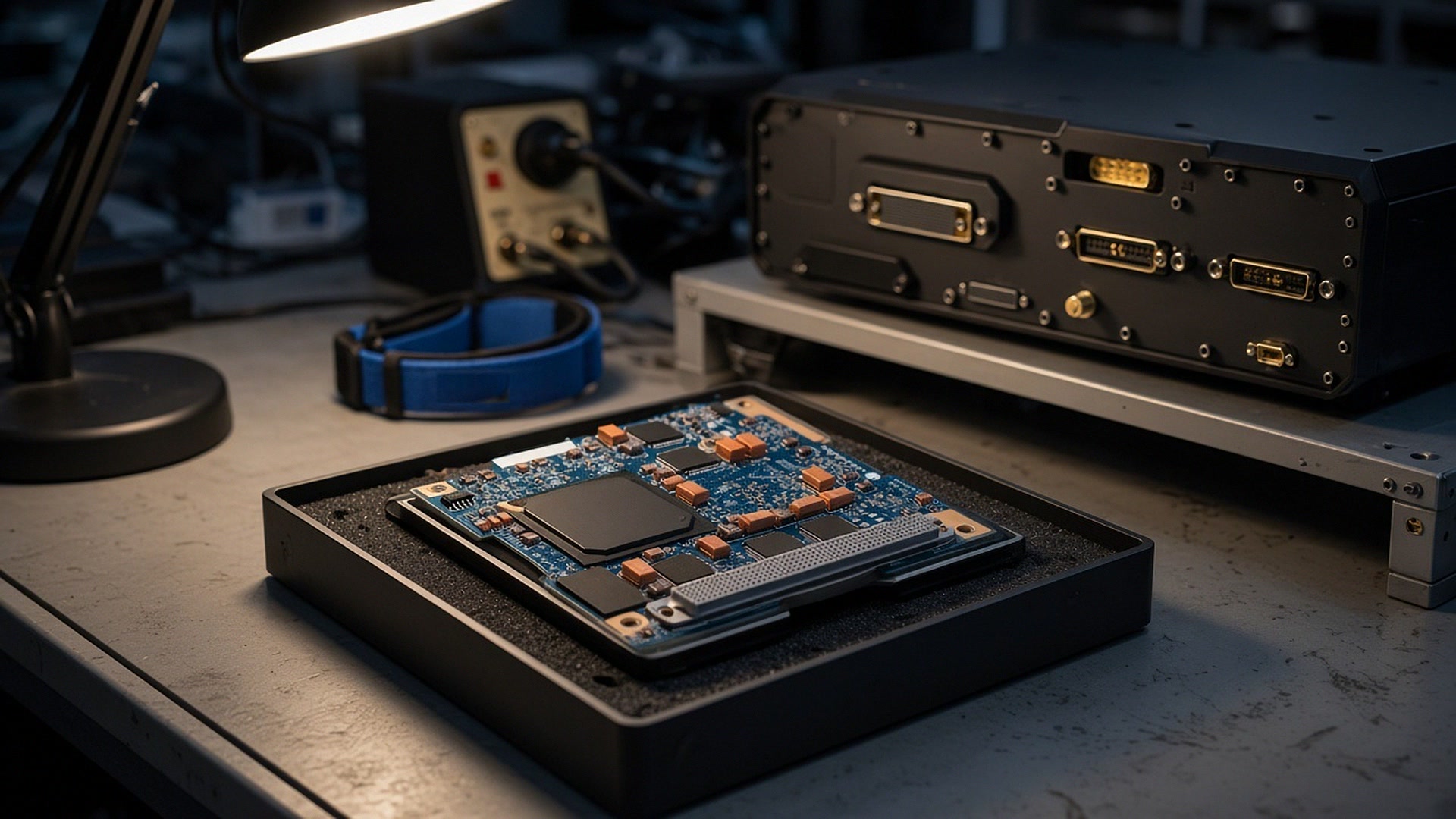
Ramon.Space said on Tuesday, Nov. 17, that it has raised $124 million in Series B funding, in an announcement dated from Denver. PSG led the round. New investors include Micron Technology, Senvest and Phoenix Financial, alongside existing investors StageOne, Deep Insight and Grove Ventures. Payload reports the company's total raised is now $180 million, and that Micron's participation is strategic as the chipmaker builds space-qualified memory.
The company said the proceeds will help it ramp production of onboard computing systems, speed deliveries against a rapidly expanding pipeline and expand into new markets. Payload reports that the company says its technology has flown for roughly a decade across a few hundred satellites, and that it aims to grow production "from a run rate of thousands of computing units growing to tens of thousands and beyond." Those figures are company claims carried by Payload. Ramon.Space describes its systems as software-based computers designed to match ground performance while surviving radiation, extreme temperatures and tight power budgets. Payload also reports a company plan to fly an orbital-data-center prototype in 2027 with manufacturing partner Ingrasys, a collaboration dated to 2023. Payload notes that, among companies discussing orbital data centers, Ramon.Space is focused on processing data for satellites already in orbit.
Chief executive Avi Shabtai said the company has "proven that Earth-grade computing works in space" and that the funding can help it scale. The company lists offices in the United States, the United Kingdom, Germany and Israel, and says its customers include communications constellation operators and Earth-observation providers.
connectivity
Space42 posts $404 million in nine-month revenue, with concentrated government work
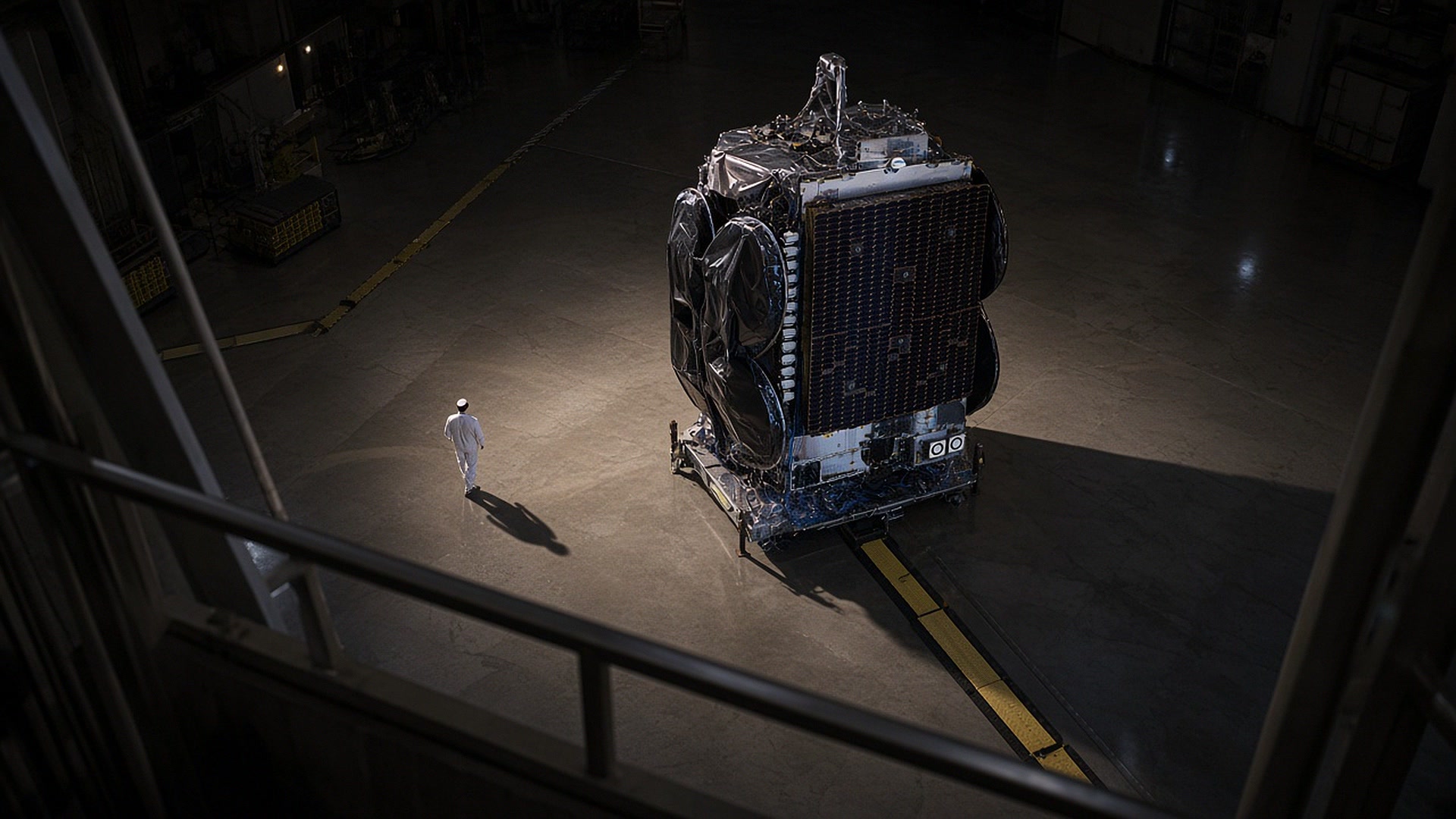
Space42 on Nov. 12 reported revenue of $404 million for the first nine months of 2026, up 11% from a year earlier, and net profit of $49 million, up 31%. The Abu Dhabi-listed company said normalized EBITDA was $194 million, a 48% margin and 30% higher than a year earlier. Normalized EBITDA is the company's own measure, which it defines as earnings from continuing operations before interest, tax, depreciation, amortization and the share of results of equity-accounted investments, adjusted for material non-recurring items.
Space42 said it closed the period with more than $1.3 billion in cash and $6.2 billion in contracted future revenue. Aletihad reports cash and short-term deposits of $1.306 billion as of Sept. 30, up from $995 million at the end of 2025, and a net profit margin of 12%. That backlog is concentrated. The company said its Al Yah 4 and Al Yah 5 satellite program remains on budget, "underpinned by a $5.1 billion, 17-year government contract." Its interim accounts show one customer accounted for $320.4 million, or about 79%, of the $404 million in nine-month revenue, government entities for $358.2 million, or about 89%, and customers in the United Arab Emirates for $378.7 million, or about 94%. Aletihad reports that about 97% of the $6.2 billion in contracted future revenue sits in the Space Services unit.
Space Services revenue was $340 million, up 11%, including a $700 million, 15-year Thuraya-4 capacity contract that began on July 1, 2025. Smart Solutions revenue rose 16%. During the period the company also signed a binding agreement with Viasat to co-found Equatys, a direct-to-device venture. Via Satellite and Aletihad confirm the headline revenue, profit, cash and $6.2 billion backlog figures.
in-space
LeoLabs buys FishEye to speed missile-warning radars
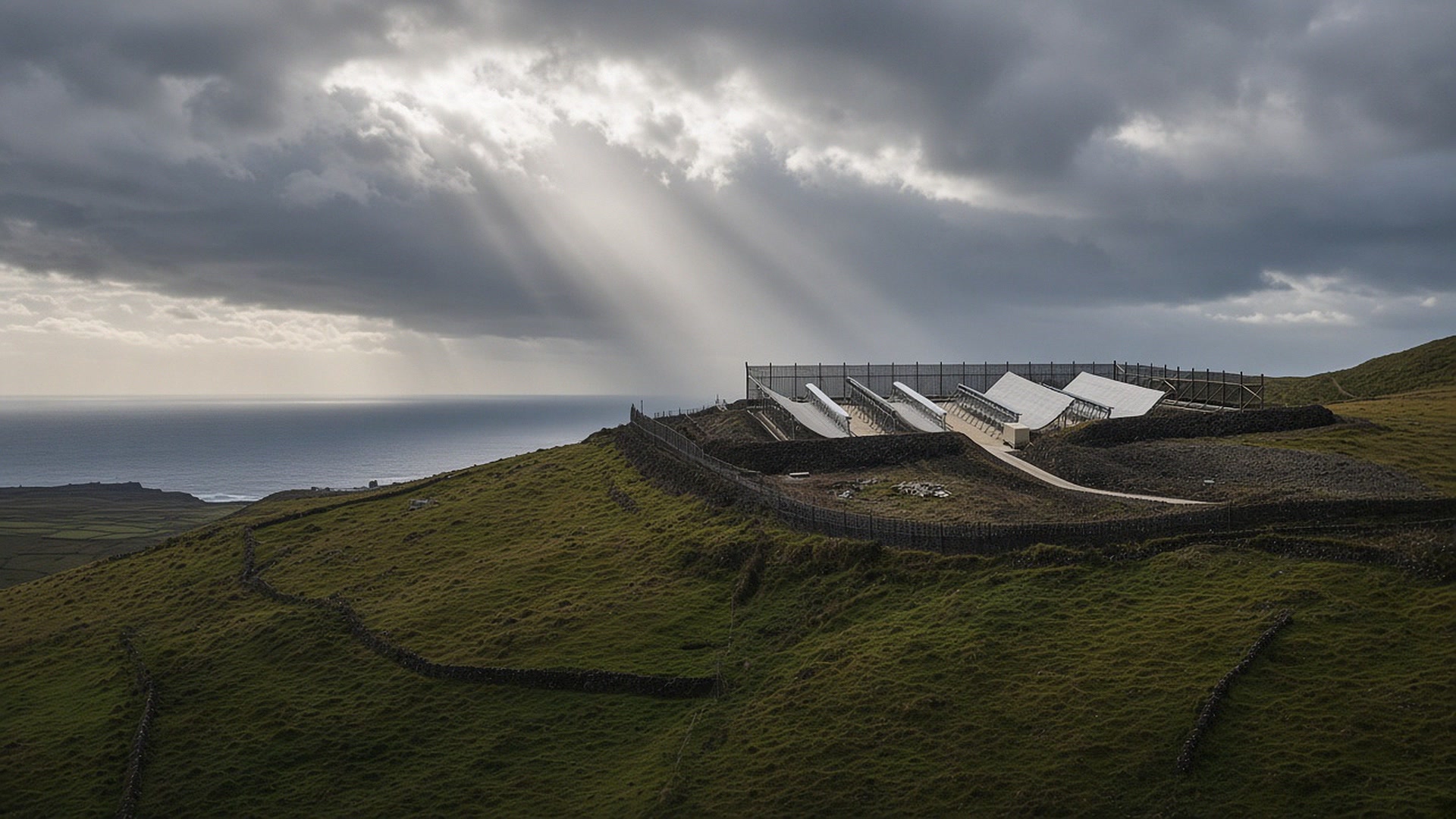
LeoLabs, which is based in Menlo Park, California, said on Monday, Nov. 16, that it has acquired FishEye Software, a Maynard, Massachusetts, engineering firm, as a wholly owned subsidiary. The price was not disclosed. LeoLabs said it funded the purchase with a loan from Hercules Capital. FishEye has nearly 30 years of experience in systems engineering, software development and field testing for government-owned radars used in space domain awareness and missile defense, according to the buyer. Breaking Defense reports the firm was founded in 1997. Mirus Capital Advisors was exclusive financial advisor to FishEye, LeoLabs said.
LeoLabs said the acquisition is meant to speed delivery of its next-generation radars for missile warning and tracking. A company spokesperson told Breaking Defense that the work includes radars such as Scout-X, a mobile system that debuted in June during the Valiant Shield exercise. The company also said it has booked more than $100 million for 2026 across U.S. and allied customers, a company claim. The purchase follows a $150 million conditional loan commitment from the Office of Strategic Capital, reported in issue 017, which still requires a match and due diligence before it can close.
Chief executive Tony Frazier said FishEye's experience "will help us continue to adapt our proven radar technology for missile warning and tracking, and move those capabilities into operational use quickly." FishEye president Bob Chisholm said joining LeoLabs would let the team apply that work to a new generation of radar systems. Breaking Defense and Via Satellite confirmed the acquisition and that the price was not disclosed.
End of issue 019
If this was useful, the next one lands in a few days.