

The briefing · Vol. 08 · No. 006
22 September 2026 · Earth observation · Connectivity · In-space economy · Policy & capital · 10 min read
Making orbit usable
A $187M DeepSky weather book on York M-CLASS. $114M more Lockheed GPS ground. $205M to scale EnduroSat FRAME plants. NASA $946M for three more crew seats (Crew-15-17). Anduril $65M TITAN production hardware. Mining closes on who pays once mass leaves the body.
What this issue is actually about
Orbit only works when the Earth side is ready: a named commercial weather prime on M-CLASS, a GPS control path so IIIF can be flown when it arrives, factory money for larger FRAME units, three more certified crew rotations through Crew-17, and eight mobile fusion shelters that put satellite data at the unit. This issue is that groundwork. Mining 6 of 6 then closes the series on Earth markets for propellant, oxygen, and metals after "Mass Off Body."
Earth observation
York primes DeepSky: $187M M-CLASS weather book
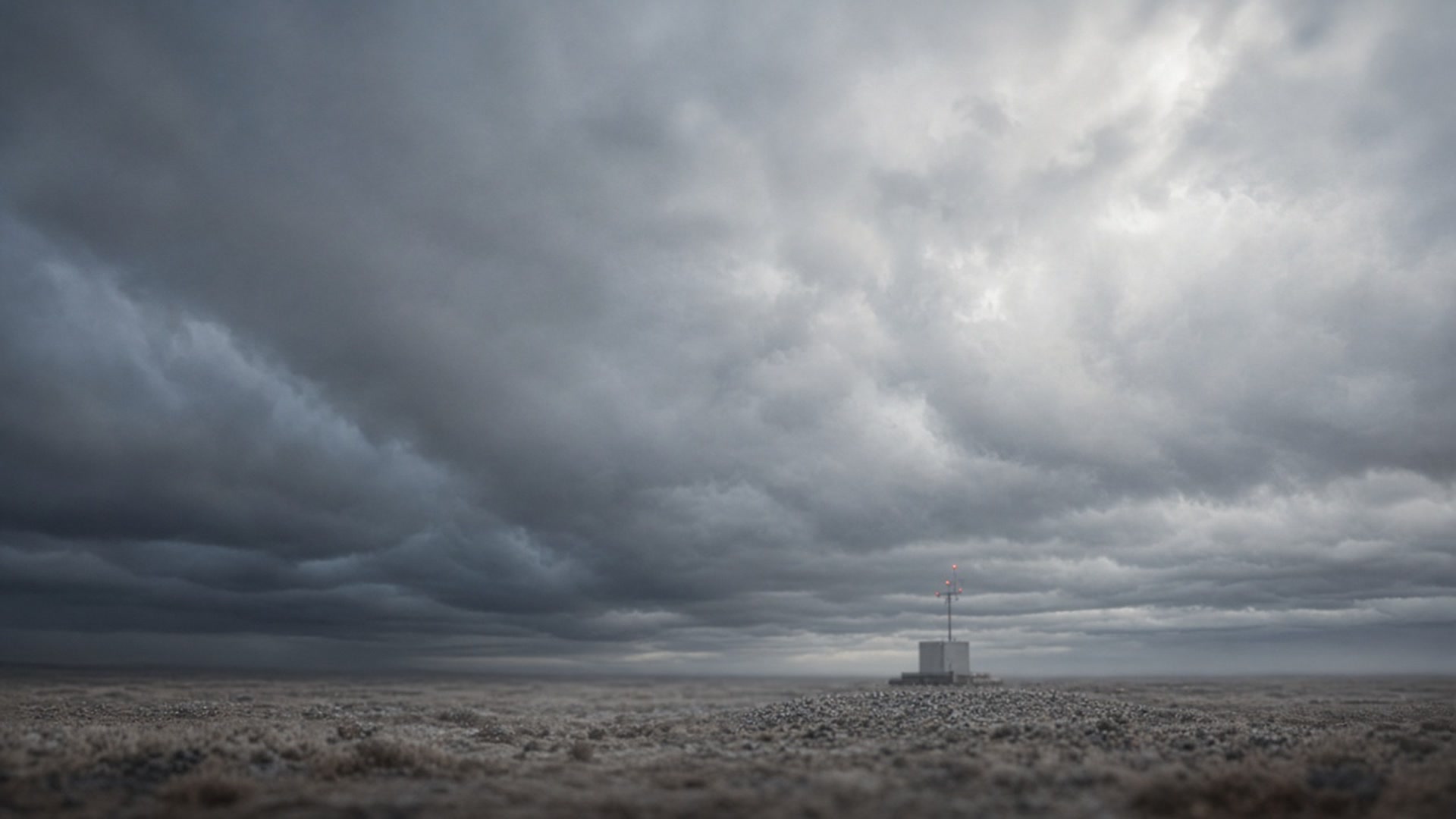
York Space Systems is prime on Tomorrow.io's DeepSky early-warning weather constellation under a $187 million contract for the initial phase. The Sept. 10 disclosure names the customer behind a commercial order York first booked in March. The build rides York's M-CLASS platform. York framed the tranche as "dozens" of satellites.
DeepSky is Tomorrow.io's second-generation weather fleet. Gen-1 flies microwave sounders and Ka-band radar pathfinders. Each DeepSky bird carries five instruments: Gen-2 microwave sounders, GNSS radio occultation, GNSS reflectometry, infrared and visible imaging, and precipitation radar. Some payloads come from Tomorrow.io; partners supply the rest. The stack is meant to read the full atmospheric column at global refresh rates, not a single sensor slice.
York owns end-to-end delivery for the initial phase: spacecraft manufacture through payload integration on one accountable prime. M-CLASS is sized for the power, thermal load, and onboard processing active sensors need, including space-based precipitation radar day and night. York says it has put more than $755 million into production capacity for constellation cadence. That is the industrial seat: a U.S. prime taking a proliferated commercial weather book off the March unnamed line and onto a named program.
Tomorrow.io still runs its Gen-1 fleet while DeepSky is built. The $187 million covers the initial phase of a planned proliferated LEO network, not a claimed full-constellation price. Exact bird count stays soft beyond "dozens."
The commercial weather prime converts when the first York-built DeepSky unit flies with the five-instrument stack returning data. Until then the $187 million M-CLASS book is a reserved production seat.
Connectivity
Lockheed adds $114M to GPS ground modernization
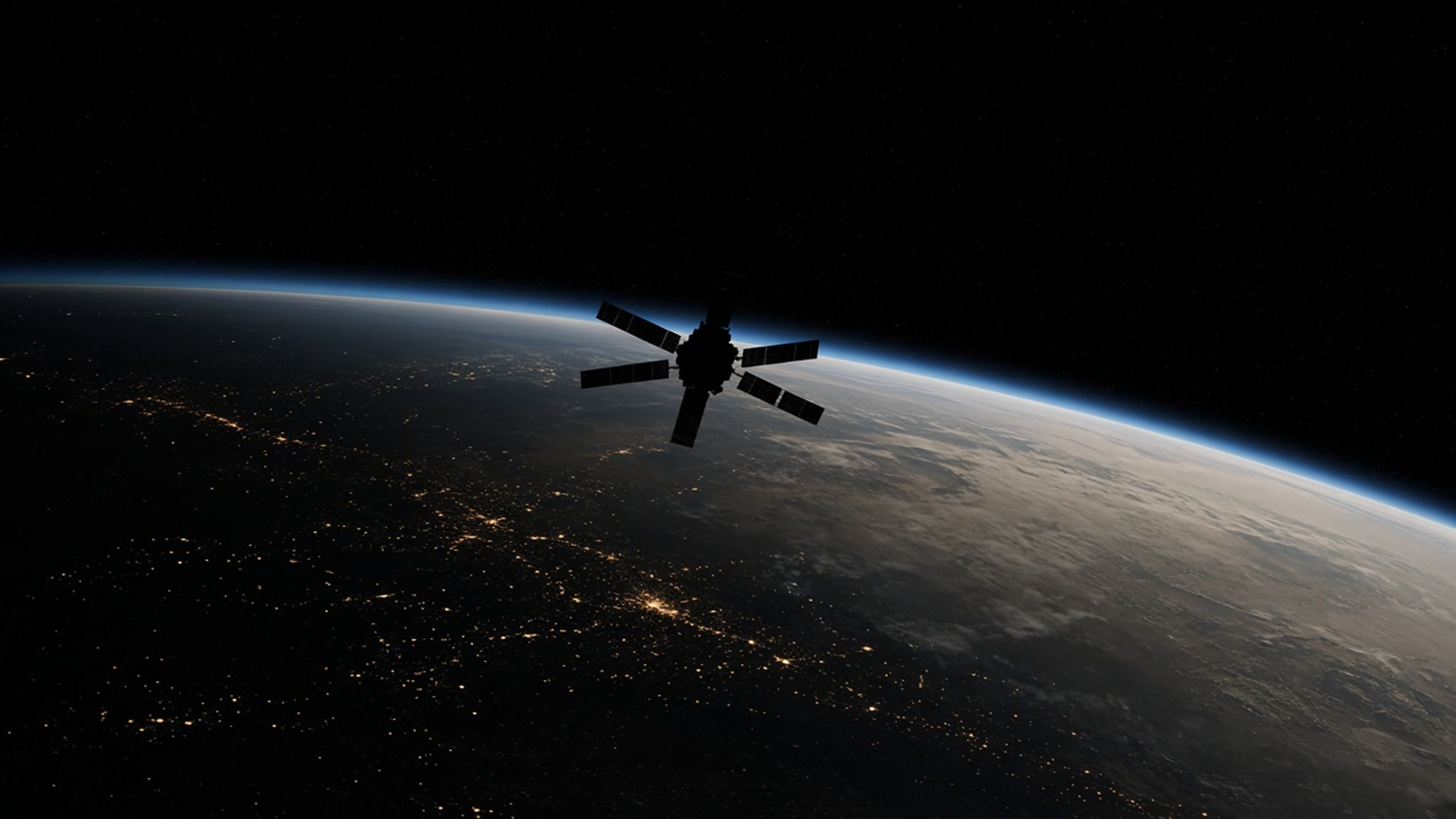
Lockheed Martin booked an additional $114 million from the U.S. Space Force to modernize the GPS ground segment. Two task orders, announced Sept. 10, split the work: about $96 million for the GPS IIIF Contingency Operations System, and $17.5 million for Architecture Evolution Plan (AEP) x86 Phase 1.
The Contingency Ops order upgrades today's ground system so it can control the GPS IIIF payload and run next-generation IIIF satellites once they arrive. Without that ground path, new birds wait on an old control stack. AEP x86 Phase 1 starts a three-phase hardware and software refresh of the ground segment, framed as a modular technology refresh for resiliency. Together the awards push secure ground capability forward under the Space Force's GPS Control Segment Sustainment (GCS II) line.
This sits on recent GPS tempo. In April, Lockheed took a $105 million Contingency Launch Operations System award for GPS IIIF launch, early-orbit, and disposal support. The last GPS III satellite launched in April, lifting the constellation to its highest level yet. Lockheed is manufacturing GPS IIIF spacecraft, which the company says bring improved accuracy and far higher resiliency than legacy birds, including M-Code anti-jam for the warfighter.
Ground is the choke point. Spacecraft get the headlines; control segment upgrades decide whether IIIF capability can be flown, sustained, and hardened for military and civilian PNT users across transport, finance, telecom, and utilities.
The $114 million buys a control path and the first slice of a modular ground refresh so IIIF hardware can be used when it arrives. Contingency Ops and AEP Phase 1 now have to clear schedule against that arrival.
Backlog
EnduroSat raises $205M to scale FRAME fleets
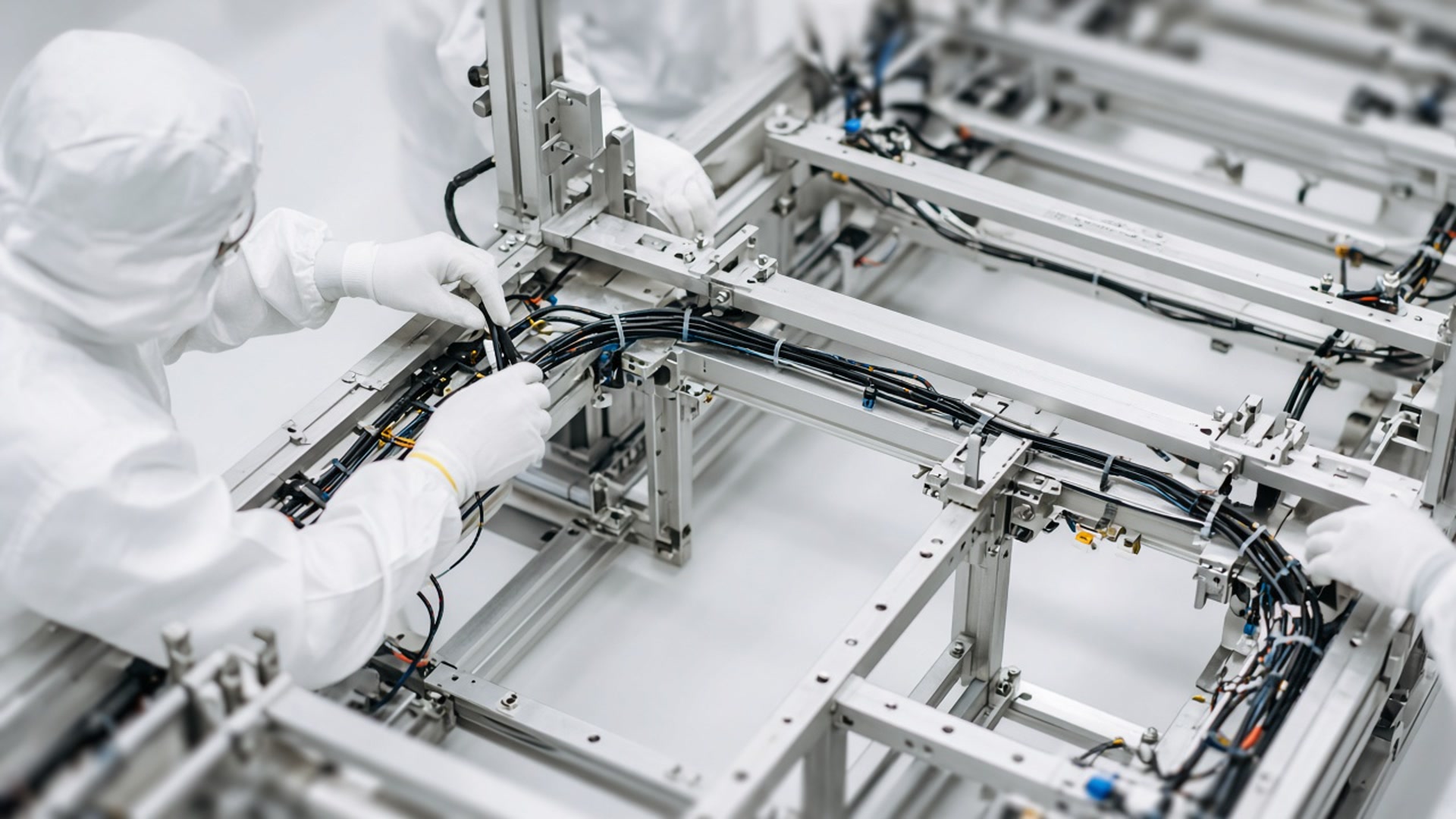
EnduroSat raised $205 million to scale standardized satellite manufacturing and its constellations-as-a-service model. Riot Ventures and Atreides Management co-led the round, announced Sept. 16, with the European Innovation Council, GV, Founders Fund, Lux Capital, and others in the book.
The capital is plant money first. EnduroSat will open a new manufacturing facility in the United States and build what it calls the EU's largest space and defense hub, expanding from its Sofia base. On the product side, the raise funds larger spacecraft in the ESPA-class FRAME line while pushing serial standardization further: repeatable builds instead of one-off custom buses. The stated commercial target is driving space data toward roughly $1 per gigabyte, down from hundreds of dollars per GB today.
Flight heritage is already real. EnduroSat says it has launched 103 satellites and delivered more than 200 for missions worldwide. FRAME is the production bus: software-flexible platforms meant to take advanced payloads without reinventing the bus each time. US and EU factory seats are the bet that order books now need delivered birds on both sides of the Atlantic, not another brochure constellation.
This is the company's second major raise in under a year after a $104 million round in October 2025. Recent coverage also ties EnduroSat into fresh constellation bus work, but the Sept. 16 release centers manufacturing capacity and larger FRAME units, not a single named fleet award.
Floor space and larger FRAME units only pay if US and EU lines turn standardization into delivered birds at a price that opens new data buyers.
Policy
NASA CCtCap: +3 crew seats, $946M
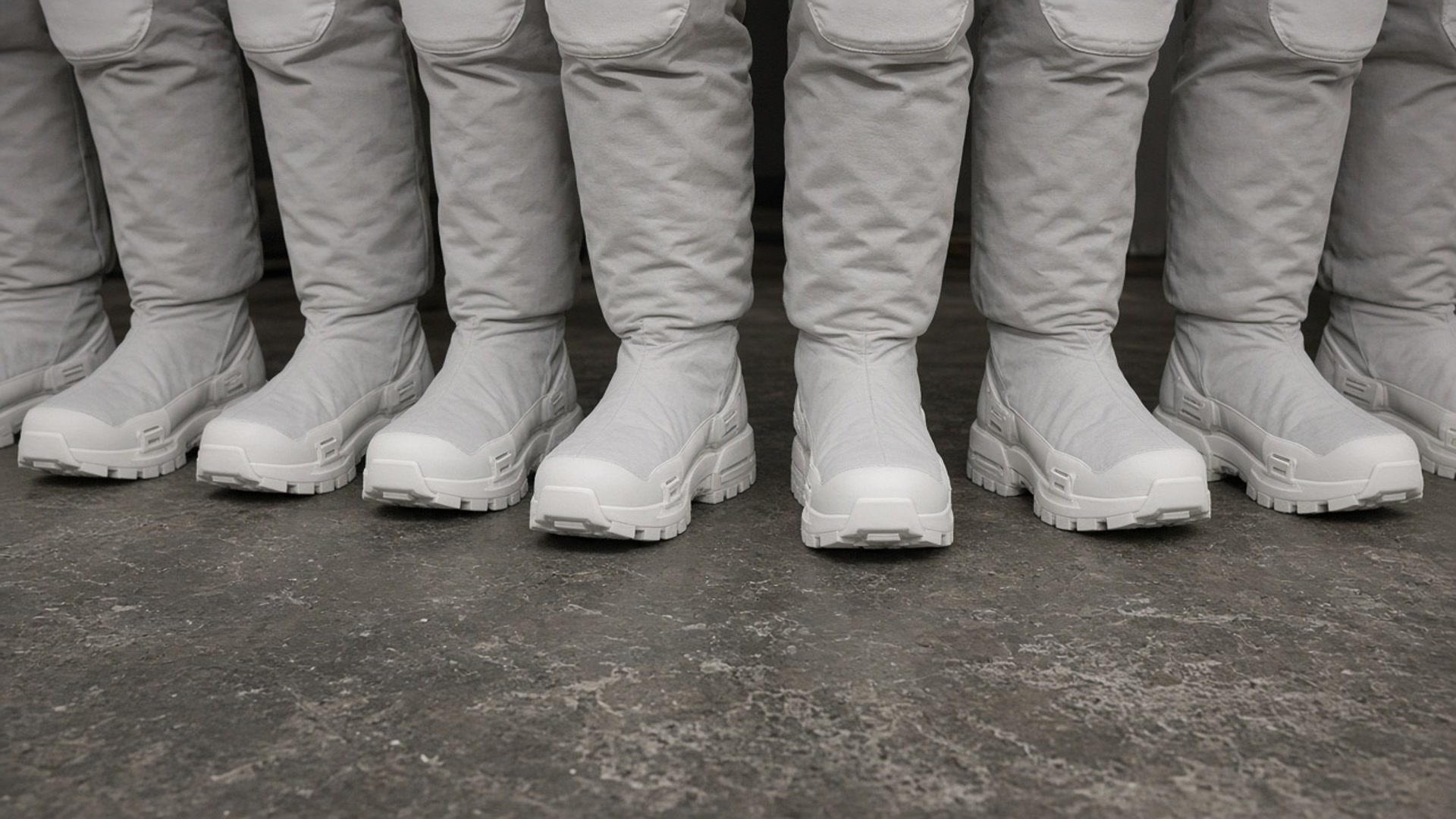
NASA modified SpaceX's Commercial Crew Transportation Capability (CCtCap) contract to buy three more crew rotation missions to the International Space Station. The firm-fixed-price, indefinite-delivery/indefinite-quantity change covers Crew-15, Crew-16, and Crew-17 for $946 million, NASA announced Sept. 18. That brings SpaceX's CCtCap mission count to 17 and the SpaceX side of the contract to $5.92 billion.
The dollar buys a full crew transport seat, not a launch ticket. The modification includes ground, launch, in-orbit, and return and recovery operations, cargo for each mission, and a lifeboat capability while Dragon is docked. Period of performance runs through 2030, with mission readiness dates in 2027 and 2028. The award follows a May notice of intent. NASA says the sole-source mod does not block future buys of more transportation services as needed.
CCtCap is the 2014 public-private frame that certified commercial crew providers before they flew astronauts. SpaceX earned crew certification in November 2020. Boeing remains the second unique commercial crew partner under the same architecture. Crew-12 is currently docked; the new seats extend the rotation book so station access stays dual-provider through the end of the decade.
This is lock-in of crew transport capacity. Falcon 9 and Dragon remain the vehicle stack, but the industrial fact is reserved seats through Crew-17 with ground-to-recovery services priced in. Up to four astronauts and critical cargo per flight. Lifeboat while docked is part of the seat, not an option line.
Crew-15 through Crew-17 keep a certified U.S. crew pipe open through the end of the decade. Mission readiness in 2027 and 2028 is the schedule that matters.
Policy
Anduril TITAN: $65M Army production hardware
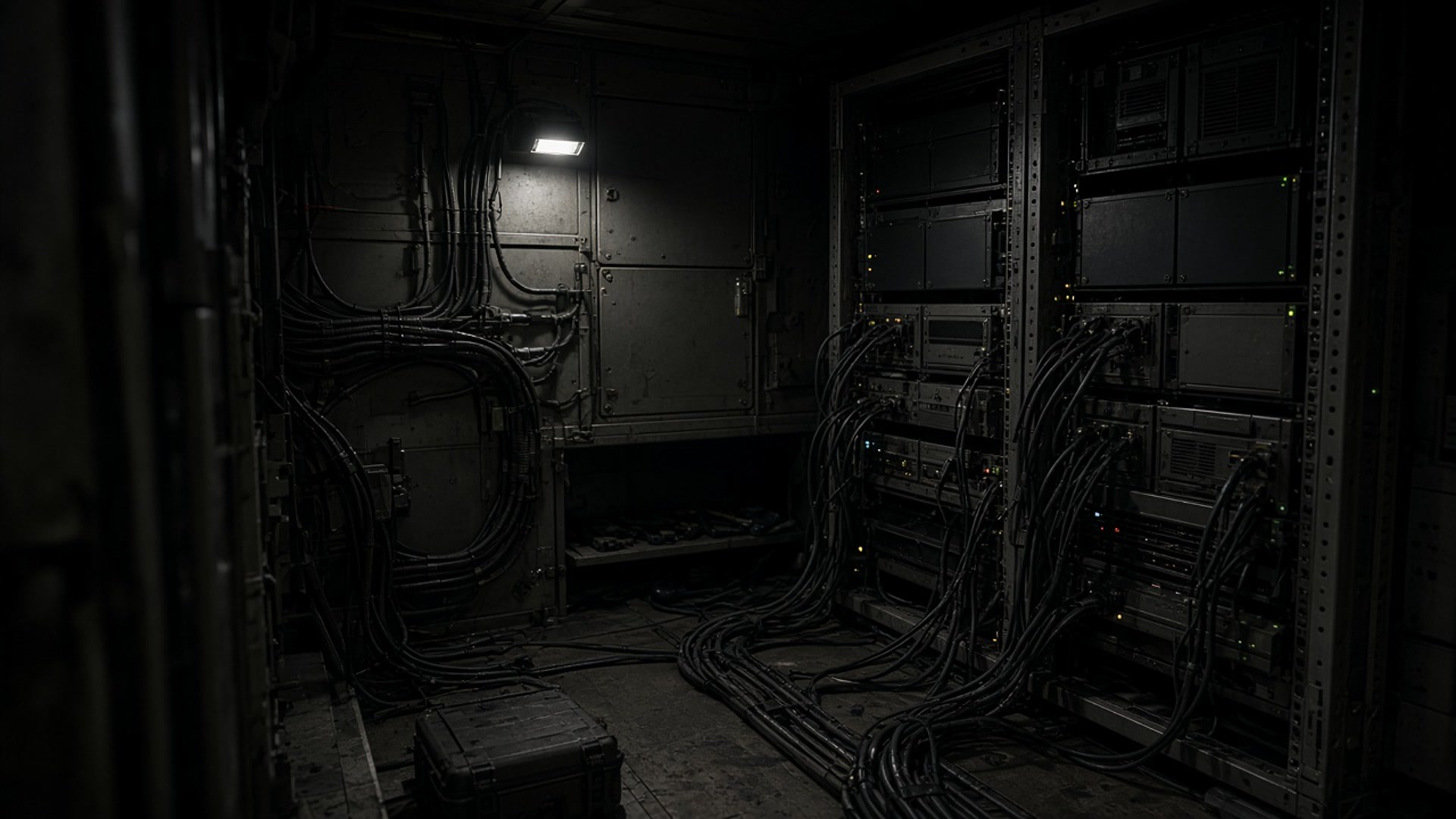
The U.S. Army awarded Anduril a $65 million delivery order for production hardware on the Tactical Intelligence Targeting Access Node (TITAN) program. The order runs through the Army Enterprise Agreement. Anduril will produce and integrate hardware subsystems and mission shelters. Palantir is the program team lead.
TITAN is a mobile ground station, not a satellite. Army units pull sensor data from satellites, aircraft, and ground systems. Fusion used to sit in large fixed infrastructure that is hard to move and easy to find. TITAN puts that fusion node next to combat units so soldiers can act on a common intelligence picture in the field instead of routing everything back to a fixed command post. The design target is faster targeting and strike, with less dependence on older rear-echelon processing.
Under the award Anduril delivers hardware for eight TITAN systems: four TITAN Advanced and four TITAN Basic. Advanced carries more processing and integration. Basic trades some of that for greater mobility and faster deployment. Anduril manufactures the ruggedized, vehicle-mounted systems and integrates power, thermal, control, and operator subsystems so the node works in the environments soldiers use.
This is the move from prototype to production. Anduril has supported TITAN since 2021 as lead hardware systems architect, folding Soldier feedback into design and test. Hardware builds at the company's Costa Mesa, California facility. The Army has signaled additional TITAN orders in FY27; Anduril says it is ready to scale.
Eight fieldable fusion shelters and the subsystems that run them put satellite and other ISR feeds at the unit. TITAN's seat is that ground node.
In-space economy
Mining 6 of 6: "Earth markets"
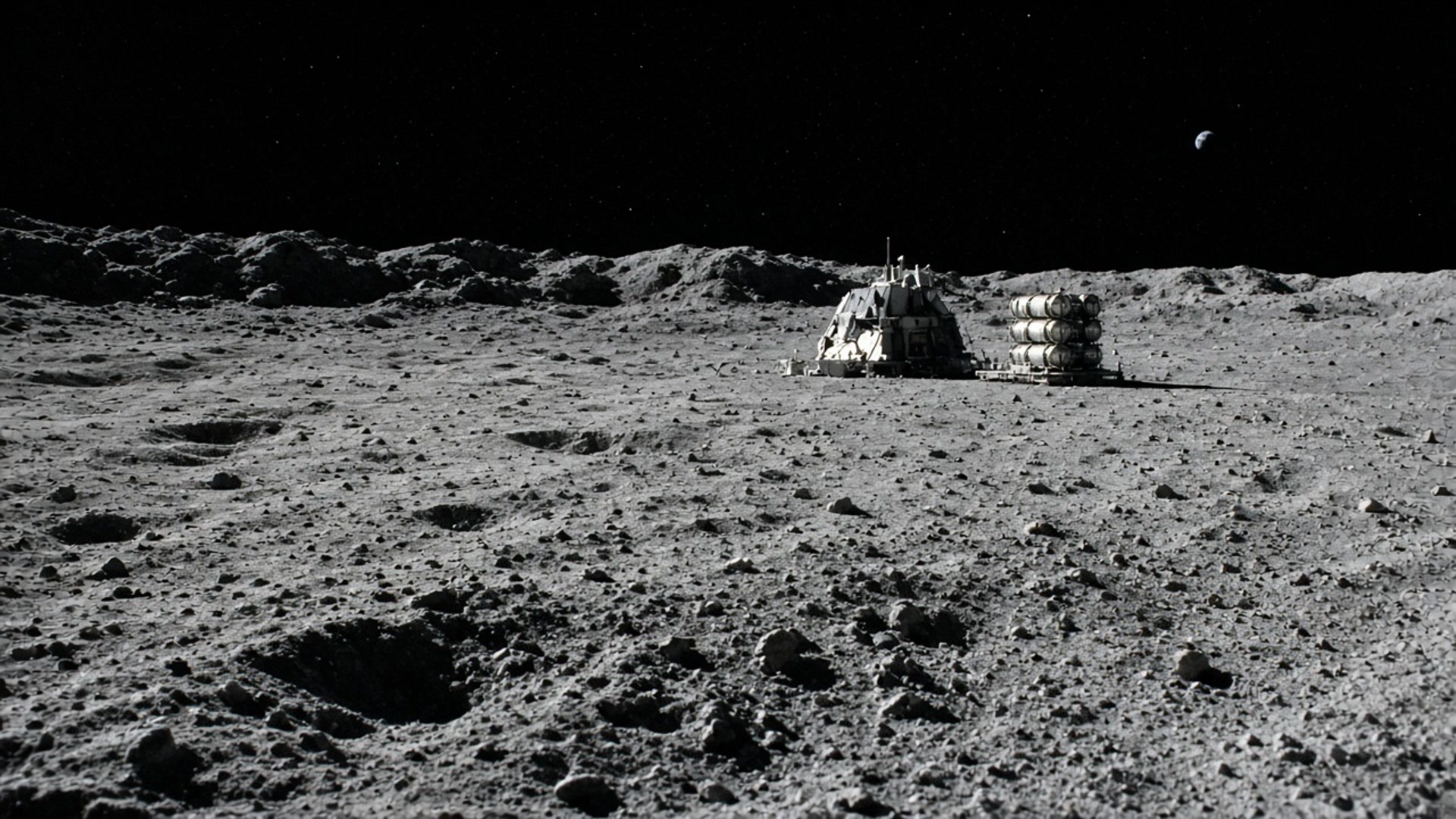
"Mass Off Body" fixed the transport line: excavate, process, tank, depot, hop or launch. Earth markets ask the next question. Once kilograms clear the crater, who writes the check for propellant, oxygen, and metals? A mine without a buyer is still inventory. The six-part cut ends on demand.
Propellant is the first real market if any market opens soon. Lunar LOX, and LOX plus hydrogen or a storable fuel, only clears if someone needs Δv between Earth and the Moon and prefers buying at a depot to hauling every kilogram from the ground. The early customer set is thin and institutional: NASA and partner logistics for Artemis-class traffic, commercial landers that want top-off, and transfer stages that treat a cislunar depot as a gas desk. Price will be set by avoided launch mass and schedule risk, not by terrestrial LOX spot. If no recurring buyer books volume ahead of first tons, the plant makes a demonstration, not a product.
Oxygen for life support is adjacent and smaller. Crewed stations, surface habitats, and EVA loops need O2, but the tonnage is modest next to propellant burns. Metals and feedstock are slower. Iron, aluminum, and regolith-derived structural mass matter once surface construction is real enough to prefer local stock over Earth-sourced plate. That buyer arrives after the logistics pipe is real, not before it. Helium-3 and other specialty stories stay long-dated until a terrestrial or fusion customer locks a purchase agreement that survives contact with geology.
Who pays, in order of near-term honesty: government logistics offices that already buy crew and cargo seats; commercial lander and tug operators who can price a depot into a service; insurers and underwriters only after flight history exists; terrestrial industrials last, and only for products that beat Earth supply on cost or unique access. Marketing decks that skip that order are selling the hole, not the market.
Earth markets also discipline the mine. A buyer wants metered product, transfer standards, hold time through lunar night, and a price that closes against the alternative of launching from Florida or elsewhere. Assay grade still matters. It no longer decides the story. Contract structure does: take-or-pay, options on future tons, and interface control documents between plant, depot, and vehicle. Without those, "ISRU" remains a science line item.
This series ran six seats. Resource and buyer logic opened with helium-3 and the water-oxygen stack. Power, robots, and the working face followed. "Where" fixed the site. "Mass Off Body" made transport the invoice. Earth markets close the loop: product only exists when someone on the other side of the transfer line pays. The Moon is near enough to fly the stack again when a deal fails. That is the industrial ending, not a manifesto.
The next briefing leaves the mine. The cut here is simpler. Mass can leave the body. The open ledger is who buys it, at what interface, and on what schedule.
End of issue 006
If this was useful, the next one lands Monday.