

The briefing · Vol. 11 · No. 011
22 October 2026 · In-space economy · Connectivity · Policy & capital · 6 min read
Capacity first
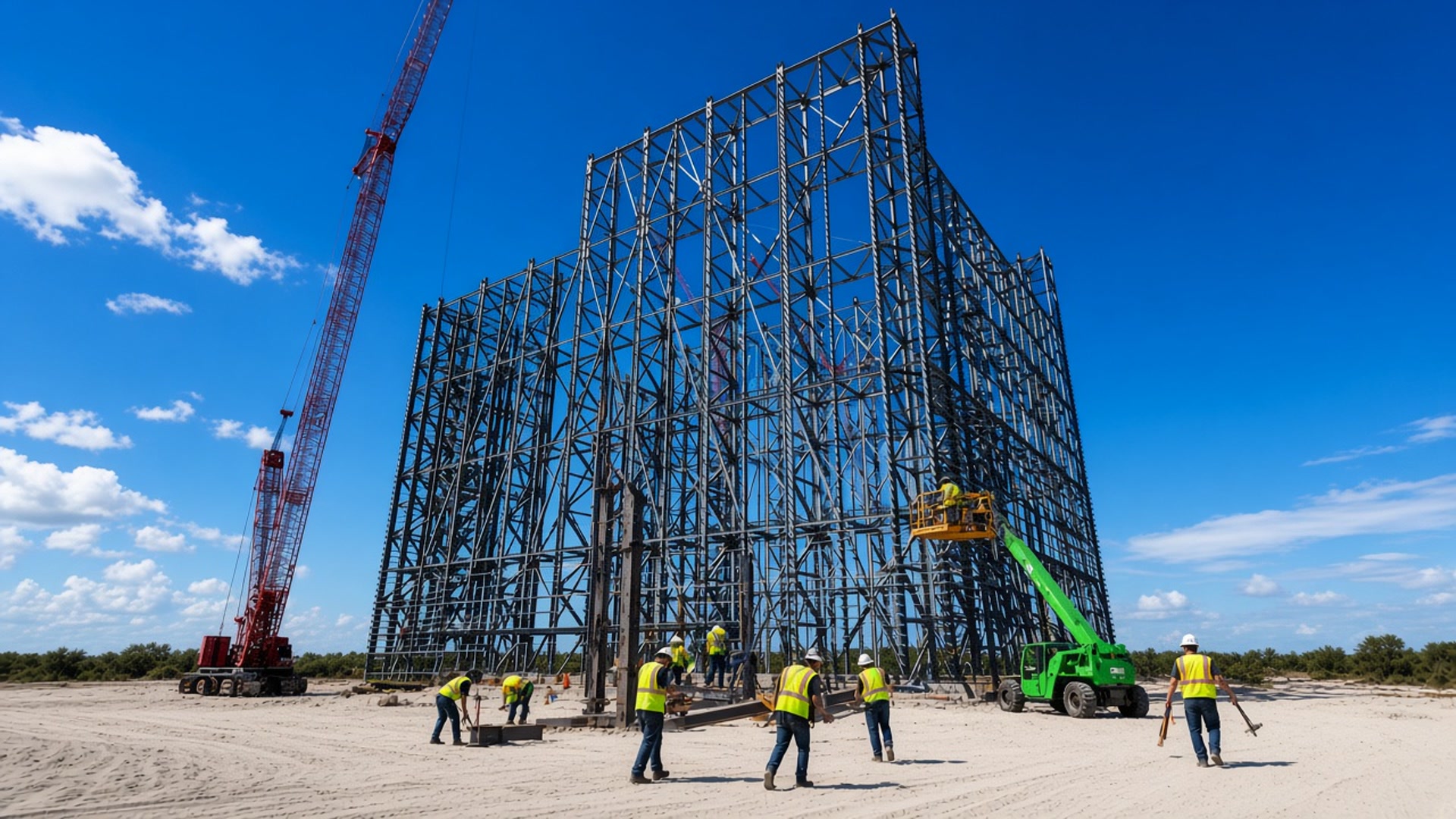
Blue Origin puts $330 million into a Florida plant sized for 150 New Glenn upper stages a year. Globalstar gets its FCC license for the 48-satellite C-3 system MDA Space is building. AST SpaceMobile's Midland line runs through BlueBird 50 ahead of first service. CesiumAstro puts $25 million into a Melbourne, Florida build and test site. EraDrive's $13 million Space Force award buys two autonomy modules before the module has flown.
What this issue is actually about
This issue is capacity and permission arriving before the work that fills them. Blue Origin is building a stage line for a rocket variant that has not flown, while its current rocket waits to return to flight. Globalstar has a funded build and now a U.S. license, with no launch date yet. AST SpaceMobile has satellites in production through BlueBird 50 and service still ahead of them. CesiumAstro is moving a supplier's line onto the Space Coast weeks after its first satellite reached orbit. EraDrive has procurement money for two modules on the strength of software that has flown.
Manufacturing
Blue Origin puts $330M into a Florida plant for 150 upper stages a year
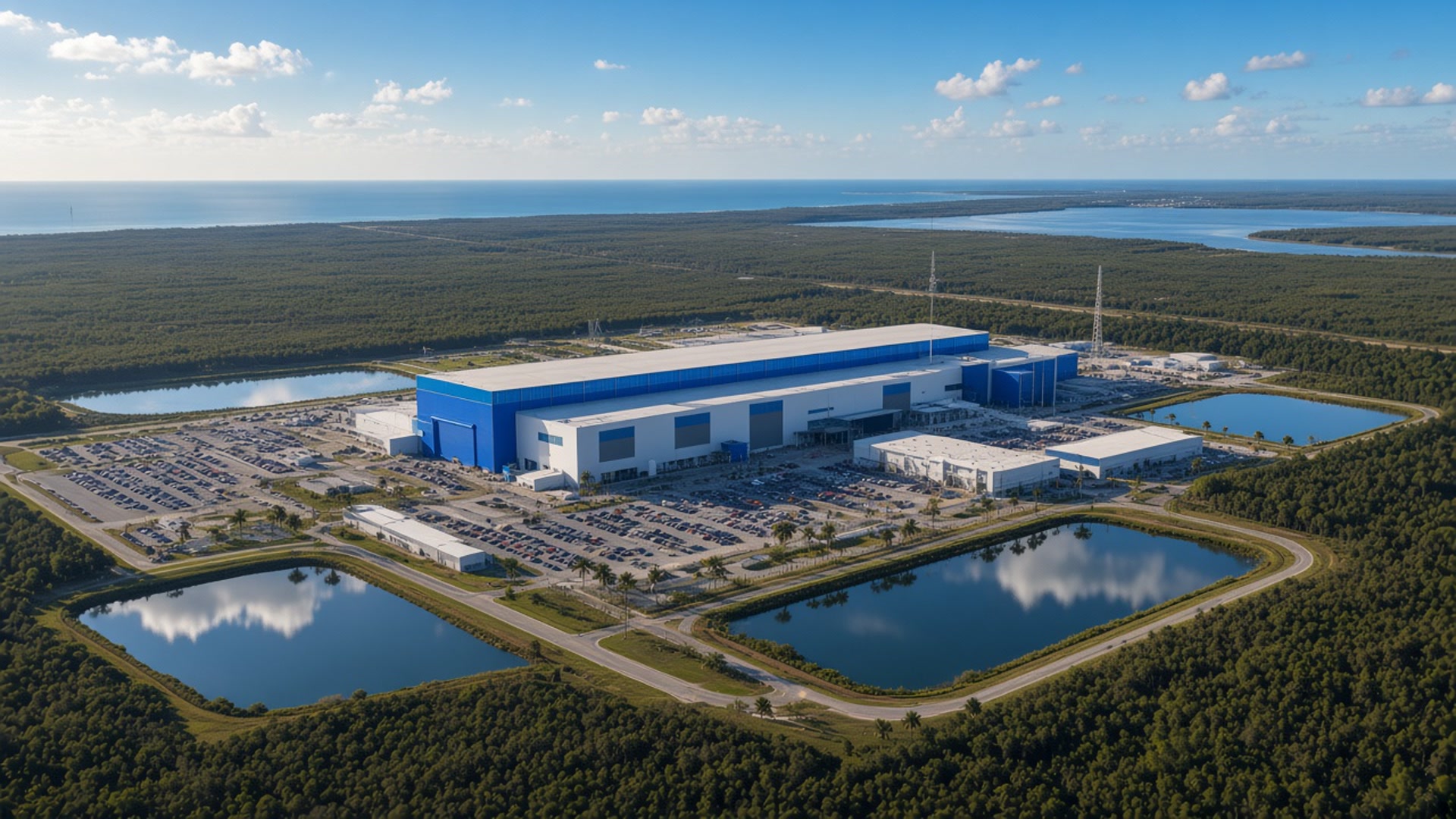
On Tuesday it was satellites in Texas. Now Blue Origin is spending on the rocket side. The company said on Oct. 16 it is putting $330 million into an expansion of its Rocket Park campus in Cape Canaveral to build up to 150 New Glenn upper stages a year, CNBC and Spaceflight Now report. Completion is expected in summer 2027.
The stages are for New Glenn 9x4, a larger variant with nine BE-4 engines on the first stage and four BE-3U engines on top, Spaceflight Now reports. The 150 figure is factory capacity, not a launch count.
The plant sits inside a wider buildout. Blue Origin plans two more New Glenn pads beyond the two under construction, two more landing ships to join Jacklyn, and a customer integration facility built with the U.S. Space Force with four payload bays, Ars Technica reports. Its stated goal is multiple flights a week by the end of the decade.
Florida's governor announced a $600 million "Project Horizon" upper stage facility at the same campus in May. Blue Origin has not said how the two figures relate, Construction Review Online notes.
Funded, from company capital. Flown, not this vehicle: the 9x4 could debut in 2028, Ars reports, and the current New Glenn has been grounded since its pad was destroyed in May. Second source does not apply to a launcher's own stage line.
The order of operations is the story. Blue Origin is building for a flight rate it has never come close to, and the FAA is only now taking comment on raising its permitted launches at LC-36A from 12 a year to 50. Capacity comes first here, and the launches have to catch up to it.
Connectivity
Globalstar's C-3 constellation gets its FCC license
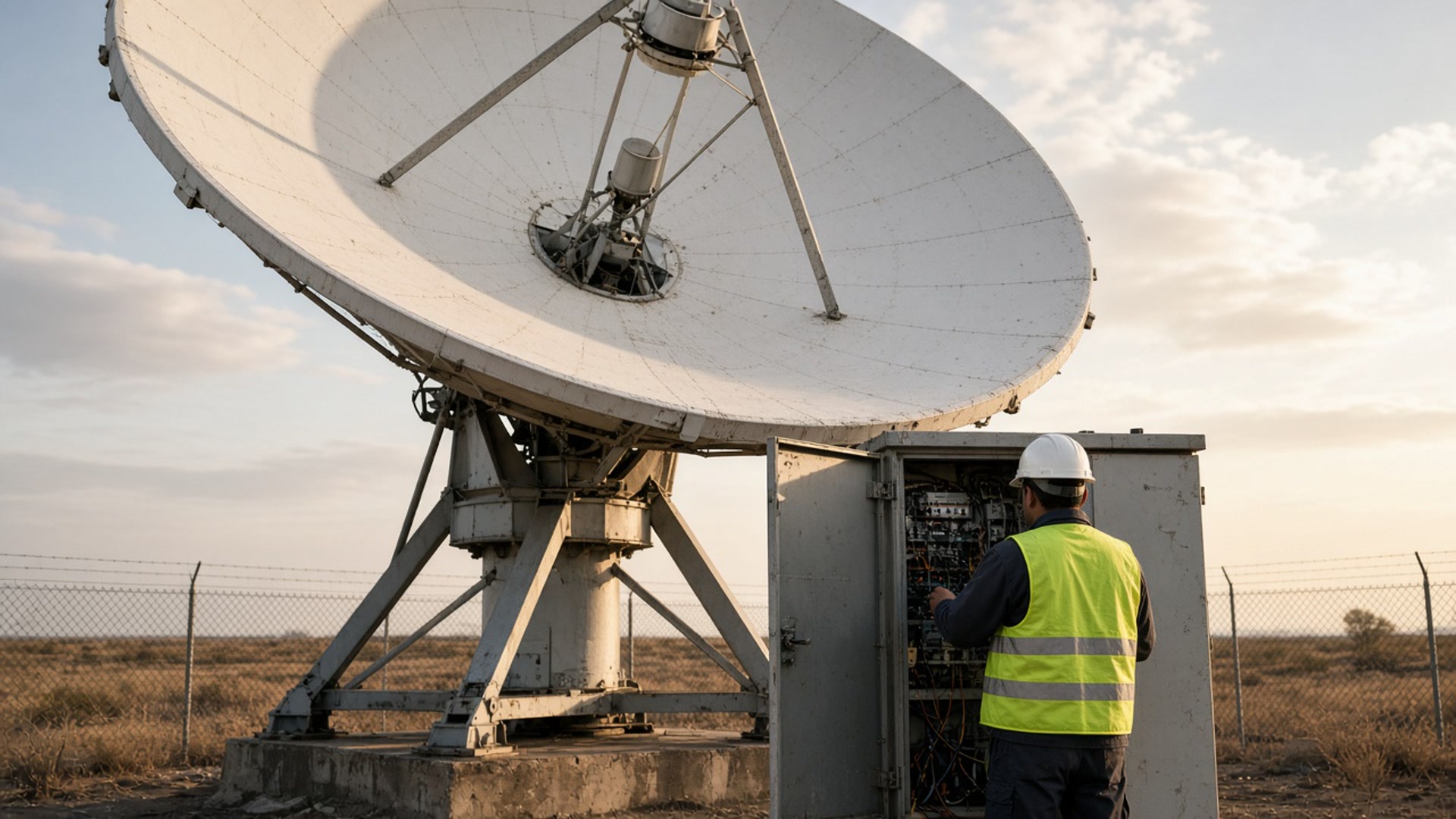
Globalstar now has U.S. permission for a constellation it has already paid to build. The company said on Oct. 19 that the FCC issued an order granting nationwide authority for its third-generation C-3 system, including direct-to-device links to smartphones, Via Satellite and Mobile World Live report.
The system is 48 low Earth orbit satellites at 1,414 kilometers with six in-orbit spares, backed by about 90 six-meter ground antennas worldwide. The order also covers Globalstar ground stations in Alaska, Hawaii, Nevada, Texas, Florida and Puerto Rico, Mobile World Live reports. Regulatory chief Barbee Ponder said it closed a multi-year licensing process with the FCC's Space Bureau.
The hardware money came first. MDA Space signed a C$1.1 billion contract in February 2025 to build more than 50 of its Aurora software-defined satellites for C-3, SpaceQ reports, and Apple's investment funded the system, according to Via Satellite. The license announcement gives no launch date.
The license lands mid-sale. Amazon agreed in April to buy Globalstar for about $11.57 billion, CNBC reported, and plans to run C-3 alongside a new direct-to-device system of up to 5,105 satellites, Via Satellite reports. The deal is expected to close in 2027, subject to regulatory approval and Globalstar meeting satellite milestones, per Mobile World Live.
Funded, by Apple and the MDA contract. Flown, not yet. Second source, no: one builder holds the whole C-3 order.
A license is permission, not service. What it removes is the U.S. regulatory question from the build, leaving the satellites, the launches and the milestones in the Amazon deal as the work still to do.
Manufacturing
AST SpaceMobile's Midland line runs through BlueBird 50 before service starts

AST SpaceMobile is building satellites faster than it is turning on service. The company said on Oct. 20 that BlueBird production at its Midland, Texas facilities is now progressing through BlueBird 50. In August it was targeting about 45 satellites in orbit by early 2027, according to its second-quarter results.
The line is visible in shipping. On Sept. 30 the company said a convoy was carrying BlueBirds 14, 15 and 16 from Midland to Cape Canaveral, with more than 20 spacecraft structures in integration. Advanced Television reported the shipment and the build through BlueBird 50, and put the batch about a month behind AST's August schedule. Each Block 2 BlueBird carries a phased array of up to about 2,400 square feet, according to its quarterly filing.
Service is the part still ahead. Service has not started, and more launches extend the hours it can cover. Advanced Television expects the schedule slip to push contiguous service in Japan, Europe and the U.S. from early 2027 to probably mid-2027. Last December the company told Congress it would launch 45 to 60 of these satellites during 2026, Advanced Television reports.
Funded, with production under way through BlueBird 50. Flown, yes: BlueBirds are in orbit. Second source does not apply: AST builds its own satellites in Midland.
The factory number and the service number measure different things. Fifty satellites in production is a ceiling on what can fly. What sets the date for continuous coverage is how fast those satellites leave Texas and reach orbit, and AST has not put a date on that.
Manufacturing
CesiumAstro puts $25M into a Melbourne, Florida build and test site
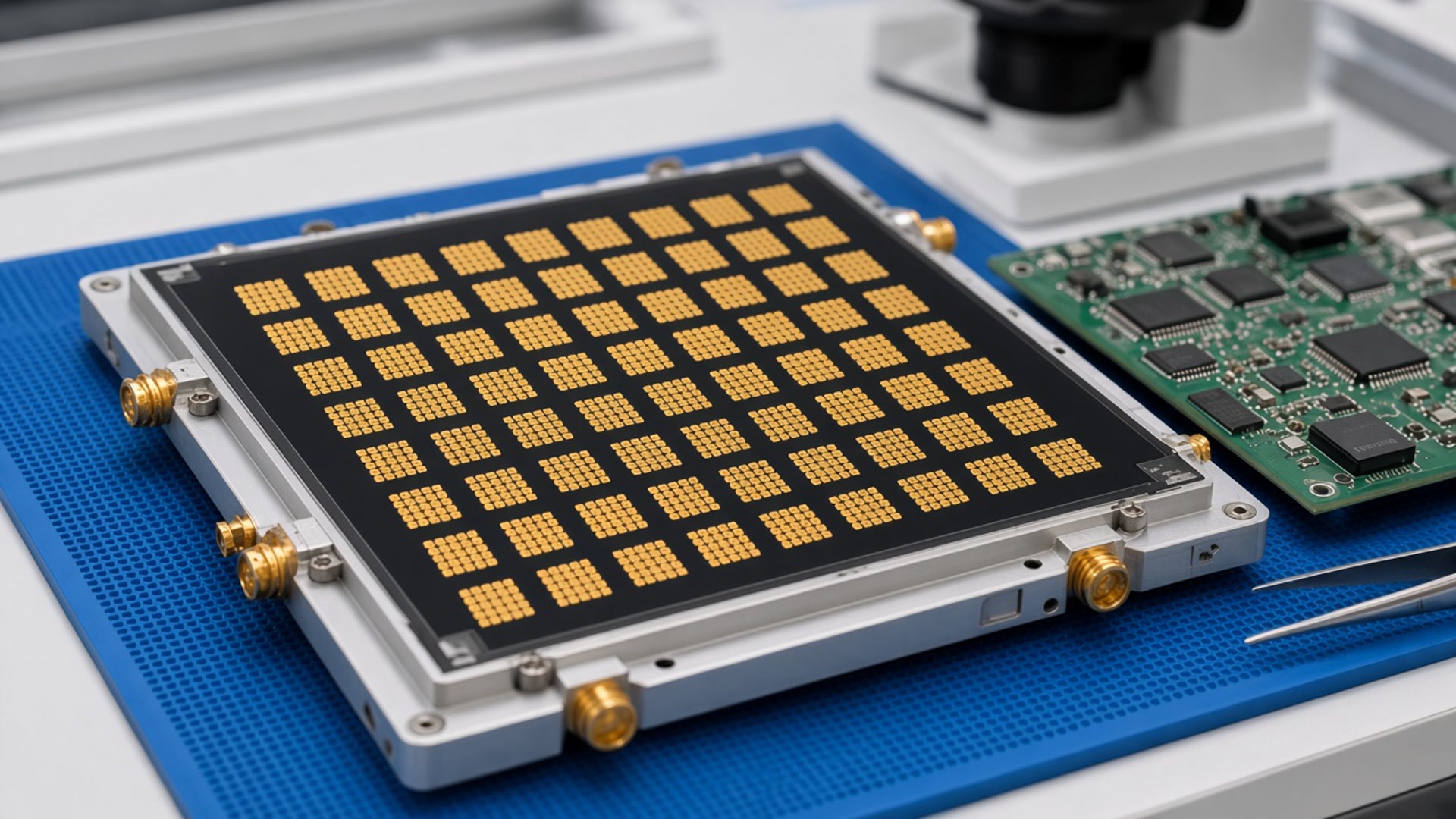
The Space Coast's buildout is not only launch companies. CesiumAstro, which makes phased array payloads, radios and now whole satellites, will invest $25 million in a Melbourne, Florida engineering and manufacturing facility and add 100 jobs over the next 12 months, the Economic Development Commission of Florida's Space Coast announced on Oct. 15. Melbourne News Now and Via Satellite reported the plan.
The site will develop, integrate and test space and defense systems, chief operating officer Brett Paulson said. The release gives no address, opening date or incentive package, Melbourne News Now notes. The company was already listing 24 Melbourne job openings on Oct. 19, the oldest posted in May.
The money follows growth elsewhere. CesiumAstro raised $270 million earlier this year and is building a larger facility near Austin, Via Satellite reports. It says it has more than 850 employees and has made three recent acquisitions in semiconductor design, signal analysis and software.
The flight record is new. Element-1, the company's first full satellite, launched this month on its own phased arrays, software-defined radios and processors, Via Satellite reports.
Funded, with $25 million committed. Flown, yes at the company level, with Element-1 in orbit; the Melbourne site has built nothing yet. Second source does not apply to a single company's site.
The pattern is a supplier moving toward its customers. A Melbourne line puts CesiumAstro hardware near Florida's integrators and launch sites, and its value will show when the first systems from that line leave for integration.
Defense
EraDrive's $13M Space Force award buys hardware, not research
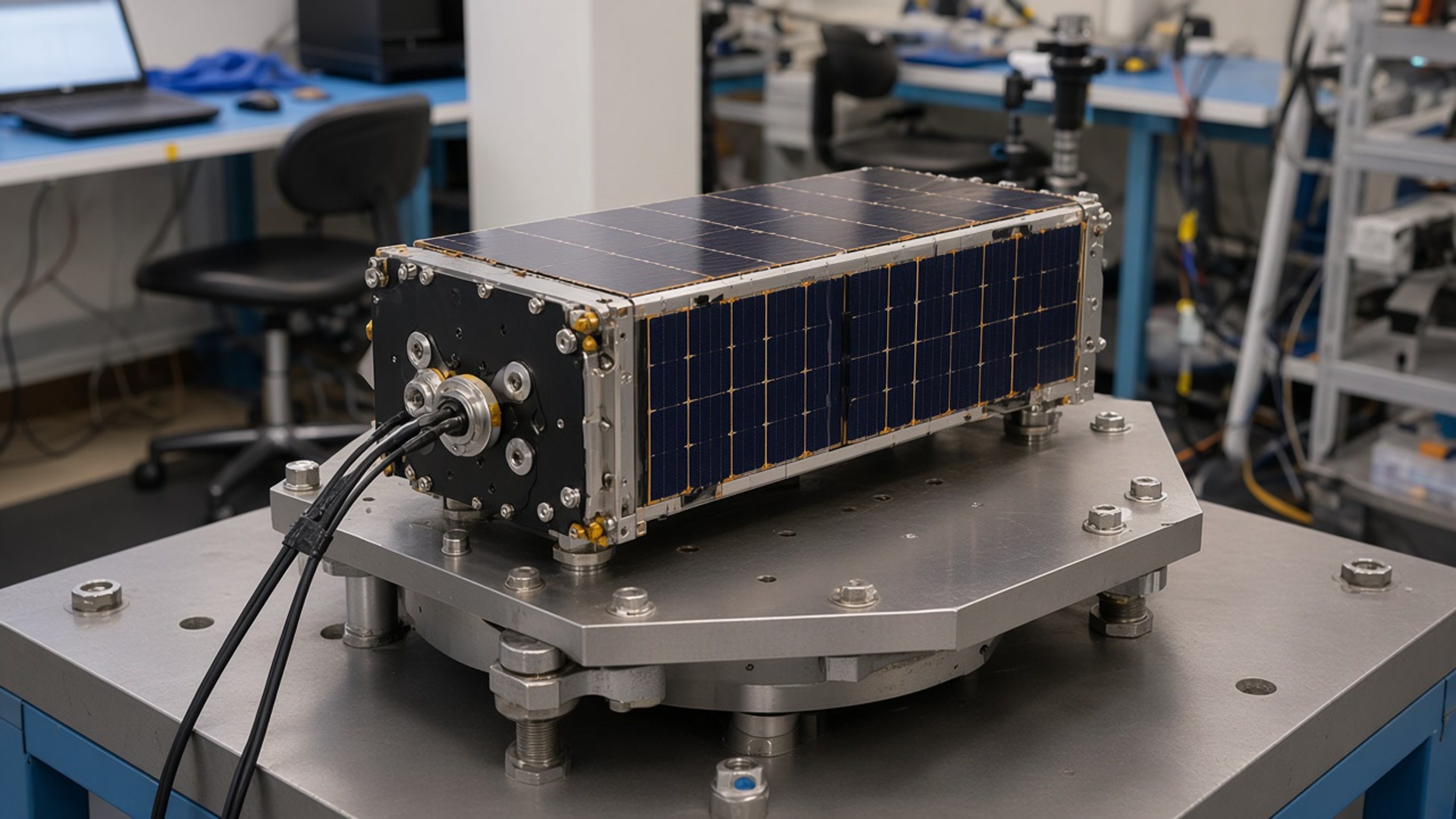
Most young space startups start on research money. EraDrive skipped a step. The Palo Alto company won a $13 million award under which the Space Force will buy its Era-Node vision-based autonomy modules, Payload and Outer Space Today report.
The award comes from APFIT, the Pentagon's Accelerate the Procurement and Fielding of Innovative Technologies program, which funds direct procurement rather than SBIR and STTR research, Payload reports. NASA Ames awarded the contract on Sept. 22 on a sole-source basis and administers it for the program, according to the agency's public justification notice. That notice lists $11.925 million awarded and $13 million with options, running through December 2028, for two flight-qualified modules, a hardware-in-the-loop optical stimulator and ground support equipment.
"Getting a small company's technology onto a government contract usually takes years," Lawrence Robertson, the Air Force's lead for space experiments, told Payload. He said EraDrive was selected and on contract within the same fiscal year.
The module does navigation without GPS and tracks other objects in orbit from onboard cameras. EraDrive has flown at least seven experiments of its Era-Core software on NASA's Starling satellites over two years, Payload reports. The integrated Era-Node has not flown.
Funded, with procurement dollars. Flown, the software yes and the module no. Second source, no: NASA's notice says no other firm answered its sole-source posting.
The contract is small, and the order is what matters. Two qualified units give the government a flight article to test, and the next APFIT round will show whether procurement money can keep pace with a company this new.
End of issue 011
If this was useful, the next one lands in a few days.