
The briefing · Vol. 12 · No. 012
27 October 2026 · In-space economy · Policy & capital · 6 min read
Paid to be ready
Xona raises $250 million days after six navigation satellites reach orbit. Portal flies Starburst-1 ahead of a factory sized for 28 a year. Canada pays NordSpace C$20 million to keep a launch site ready. The Space Force signs its first operational reserve contracts. Foothold 5 counts what stays on the Moon after the lander leaves.
What this issue is actually about
This issue is money paid for readiness before the work it is meant to buy. Xona has raised on six satellites in orbit and a factory that still has to show its rate. Portal has flown a spacecraft that has not yet fired its thrusters. Canada is paying to keep a launch site ready that has not launched to orbit. The Space Force has signed reserve contracts while the wartime terms are still unwritten. Foothold 5 finds two rovers and their rides on contract at the Moon, and no habitat on contract.
Satellite manufacturing
Xona raises $250 million for a navigation network it has just started launching
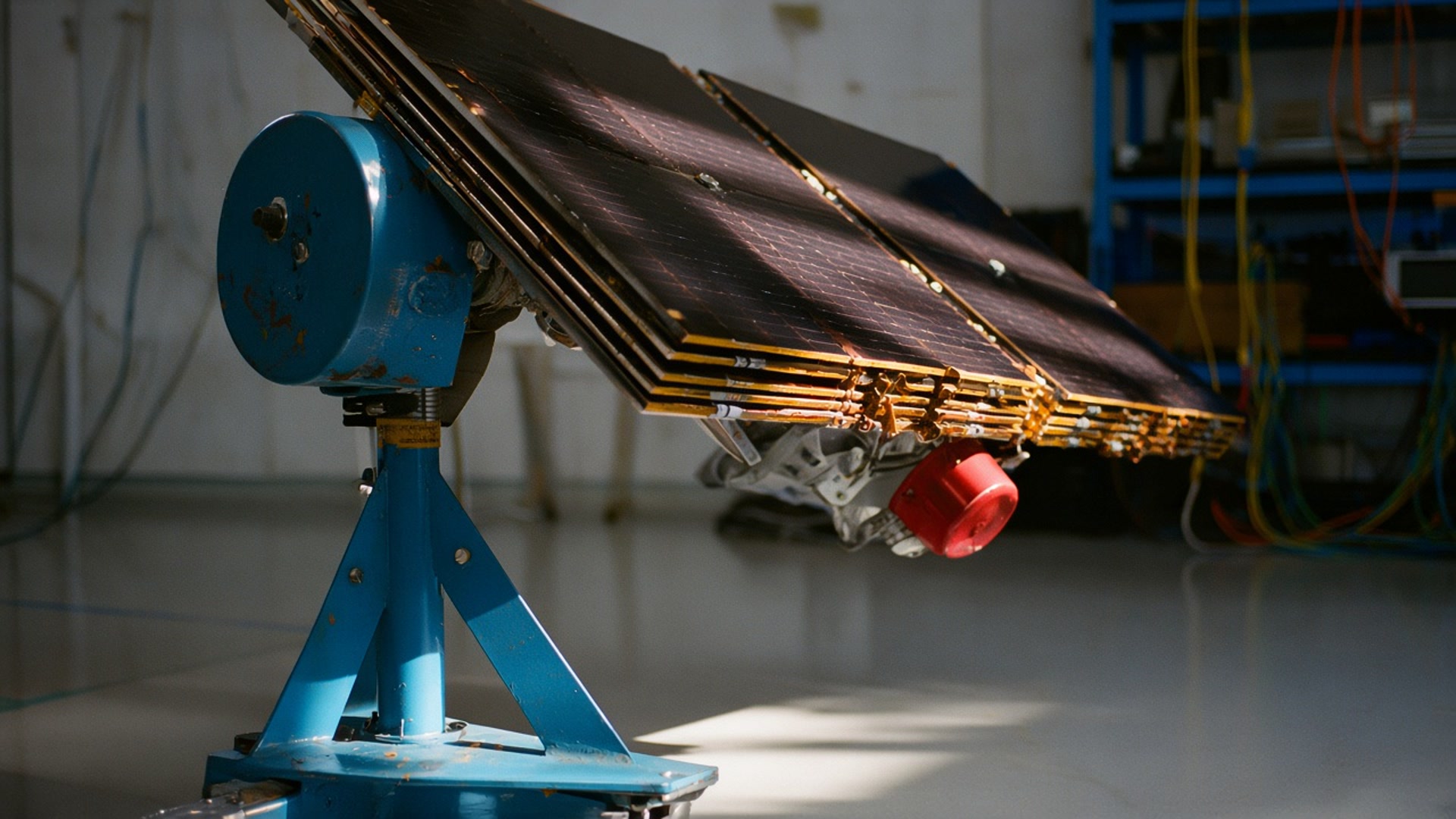
Xona Space Systems has raised $250 million in a Series D at a $2.45 billion valuation, led by Future Ventures. The round takes the California company past $570 million raised since 2019, and it comes seven months after a $170 million Series C. Forbes reported that Future Ventures put in $78.5 million of the new money.
The timing is tied to hardware. On Oct. 20 Xona put six Pulsar satellites into orbit. Four are the start of the commercial service, aimed at beta users in 2027. The other two were designed and built entirely in house at Xona's Burlingame, California factory, and their job is to validate the design for the full constellation before series production starts.
Pulsar is meant to run alongside GPS from low Earth orbit, with stronger signals that Xona says resist jamming and deliver centimeter-level accuracy. The long-term plan is a constellation of about 258 satellites. The FCC authorized it in August.
The money goes to output. "We started the year with technically an empty warehouse, and now we have a functional satellite factory," chief executive Brian Manning told Forbes. Xona says the in-house design is built for production at several satellites a week. That is a target, not a rate the factory has shown.
Funded and flown both score here. The round is closed, and six satellites are in orbit. Two of the six came off Xona's own line, and those two are still tests. The proof is the Burlingame line turning test units into a repeatable production rate.
In-space mobility
Portal flies Starburst-1 and opens a line for 28 a year
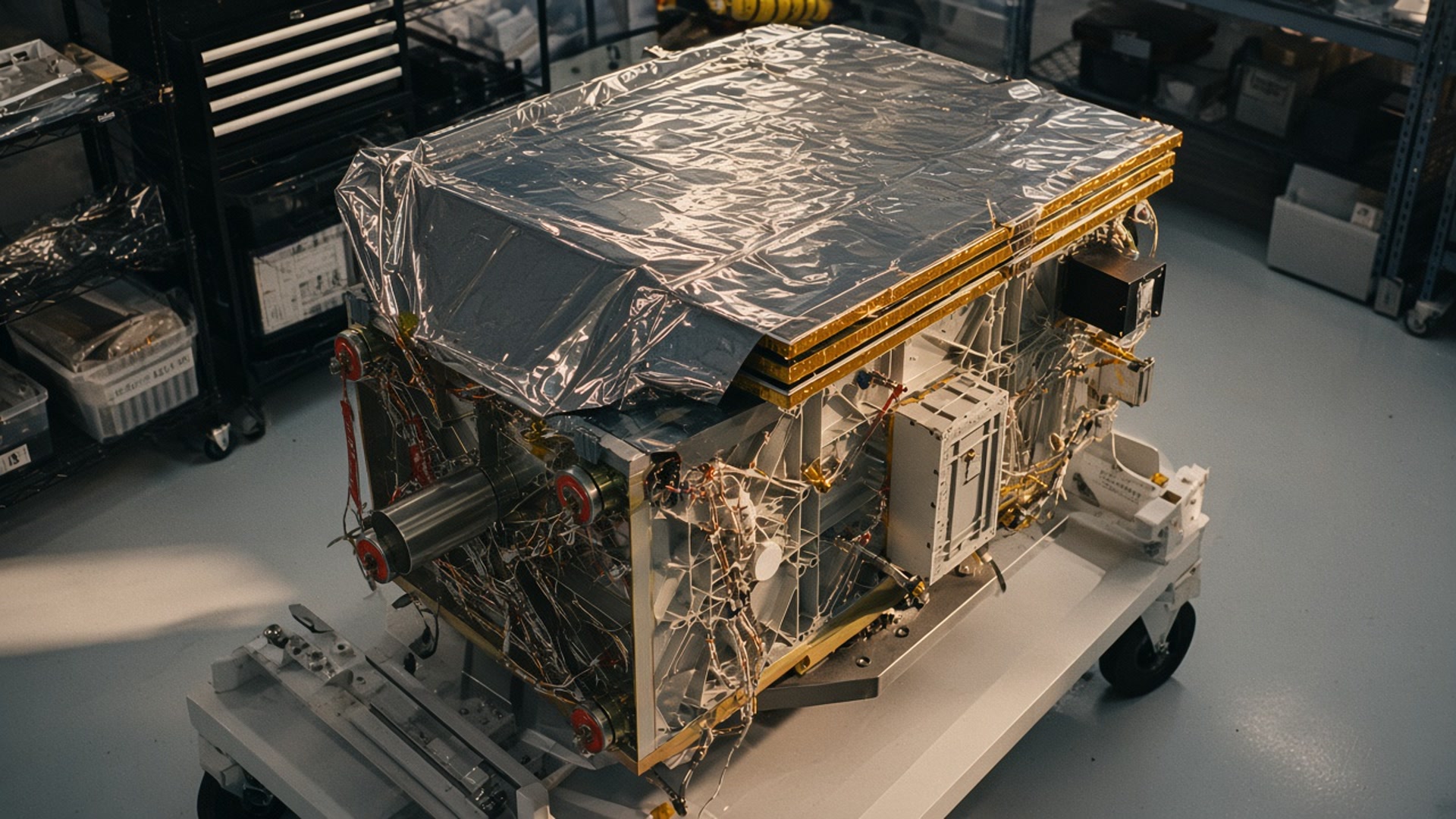
Portal Space Systems has its first free-flying spacecraft in orbit. Starburst-1 launched on Oct. 20 from Cape Canaveral on a rideshare mission and separated about 57 minutes later. Within hours the Bothell, Washington company had established communications, stabilized the vehicle and deployed its solar array. It is now power positive.
Starburst is a desk-sized, ESPA-class spacecraft built to maneuver quickly within one orbital regime. It shares core systems and manufacturing with Supernova, Portal's larger vehicle for moving between regimes. Portal paid for this flight itself, less than a year after unveiling Starburst in November 2025. It follows Mini-Nova, a tissue-box-sized test payload that flew in March.
The mission is not finished. Chief executive Jeff Thornburg told Payload he would call it 80% successful until the ammonia propulsion system fires, which he expected over the next few days. Three partner payloads ride along: an attitude-control magnet from Zenno Astronautics, a TRL11 camera and Atomic-6 debris armor.
The factory is the other half. Starburst-1 was built in Portal's small lab. The fleet is meant to come out of a 65,000-square-foot building in Bothell sized for 28 spacecraft a year, 16 Starbursts and 12 Supernovas. Much of the hardware has yet to move in, Payload reports. GeekWire reports Portal has raised $75 million since leaving stealth in 2024.
Flown scores today, with the propulsion test still ahead. Funded, for the factory, rests on venture money and military development awards, with no production order announced. No buyer has yet ordered anything close to 28 a year. The proof is the first burn, then the first order.
Launch infrastructure
Canada pays NordSpace to keep a launch pad on standby
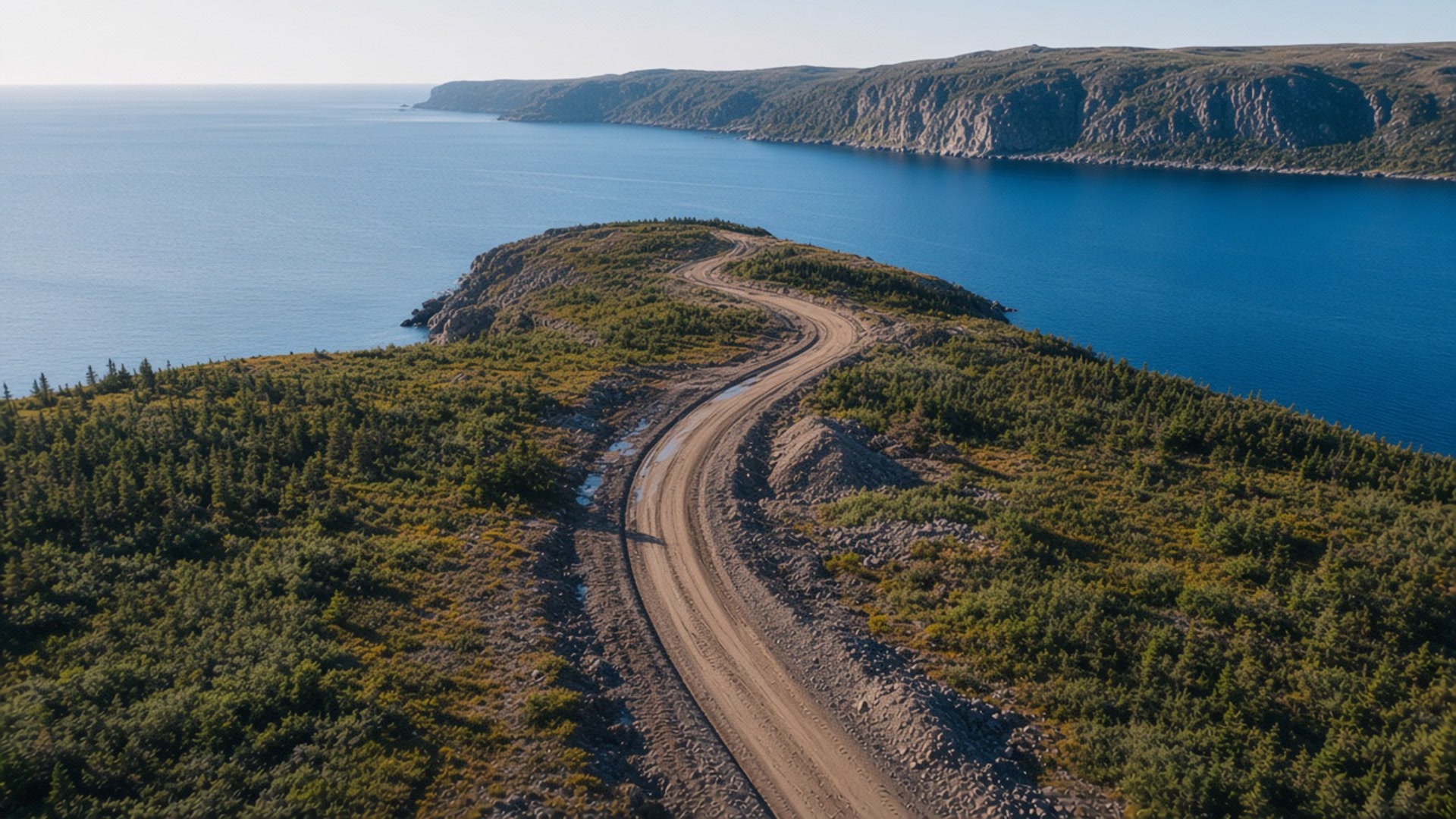
Canada's Department of National Defence will pay NordSpace C$20 million over 10 years for access to the company's Atlantic Spaceport Complex in St. Lawrence, Newfoundland and Labrador. Defence Minister David McGuinty announced the agreement on Oct. 21. He made the announcement at Space Canada's SpaceBound conference.
The deal buys access and readiness. Launches themselves cost extra and would be contracted separately. SpaceQ reports that the agreement gives DND priority access to a dedicated pad, and that the money, about C$2 million a year, covers upkeep and keeping the site on standby. That makes it a readiness payment for infrastructure, not an order for rockets.
The site is early. SpaceQ reports that NordSpace started a second construction phase last week with a six-kilometre road to its orbital launch complex. The orbital pad and the rest of the site follow. SpaceQ also reports that the company's suborbital rocket has not yet flown and is awaiting final regulatory approval. NordSpace told SpaceQ it wants to keep a small rocket and spacecraft buses on standby, aiming to put a DND payload in orbit 24 to 72 hours after a call. That is a stated goal.
The rules are unsettled as well. Per SpaceQ, Transport Canada still approves launches case by case under interim rules, and the bill meant to replace them remains at second reading in the House of Commons.
Funded scores here, at about C$2 million a year. Flown does not: nothing has launched to orbit from the site. Second source counts only when another Canadian site is ready to serve DND on the same terms.
Defense and national security
The Space Force signs its first operational reserve contracts
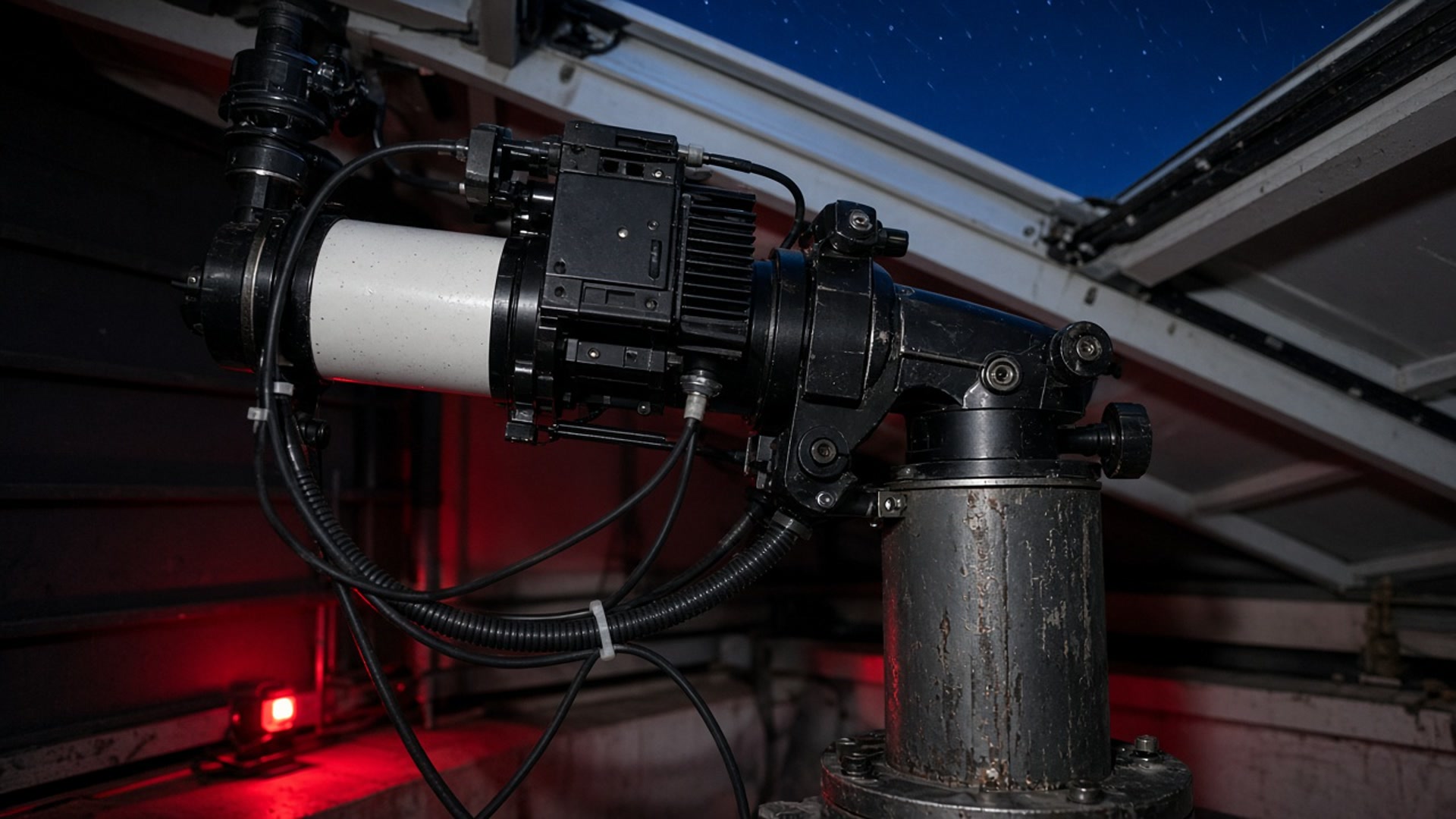
The Space Force has awarded the first operational contracts under its Commercial Augmentation Space Reserve, or CASR, to six companies that track objects in orbit: EOS Space Systems of Australia, NorthStar Earth & Space of Canada, InTrack Radar, Anduril through its ExoAnalytic business, Slingshot Aerospace and LeoLabs.
CASR is meant to line up commercial capacity in peacetime that the military can surge in a crisis. Officials have compared it to the Civil Reserve Air Fleet, which books airline capacity for wartime airlift. The new awards follow a pilot in March 2025 that paid four unnamed firms a combined $1.1 million for short contracts to test the process.
The awards are short term and went through the General Services Administration framework the Joint Commercial Operations cell already uses to buy commercial data. Officials described the dollar values as low and did not disclose them at the announcement. The point, they said, is to measure how much demand operators have before adjusting funding. All six firms already work with that cell, and the Space Force says more can join.
The harder questions are open. The Space Force has not settled when it could order a partner to stop serving other customers in a conflict, known as shutter control, or whether it would cover companies whose satellites are damaged or lost in a war. Officials expect the reserve to expand to more companies and more missions.
Funded scores, barely. Flown is already true, since these firms sell the same data today. Second source is the design: six suppliers for one mission. The test is whether short, small contracts are enough to make any of them build spare capacity.
In-space economy
Foothold 5 of 6: "What stays when the lander leaves"
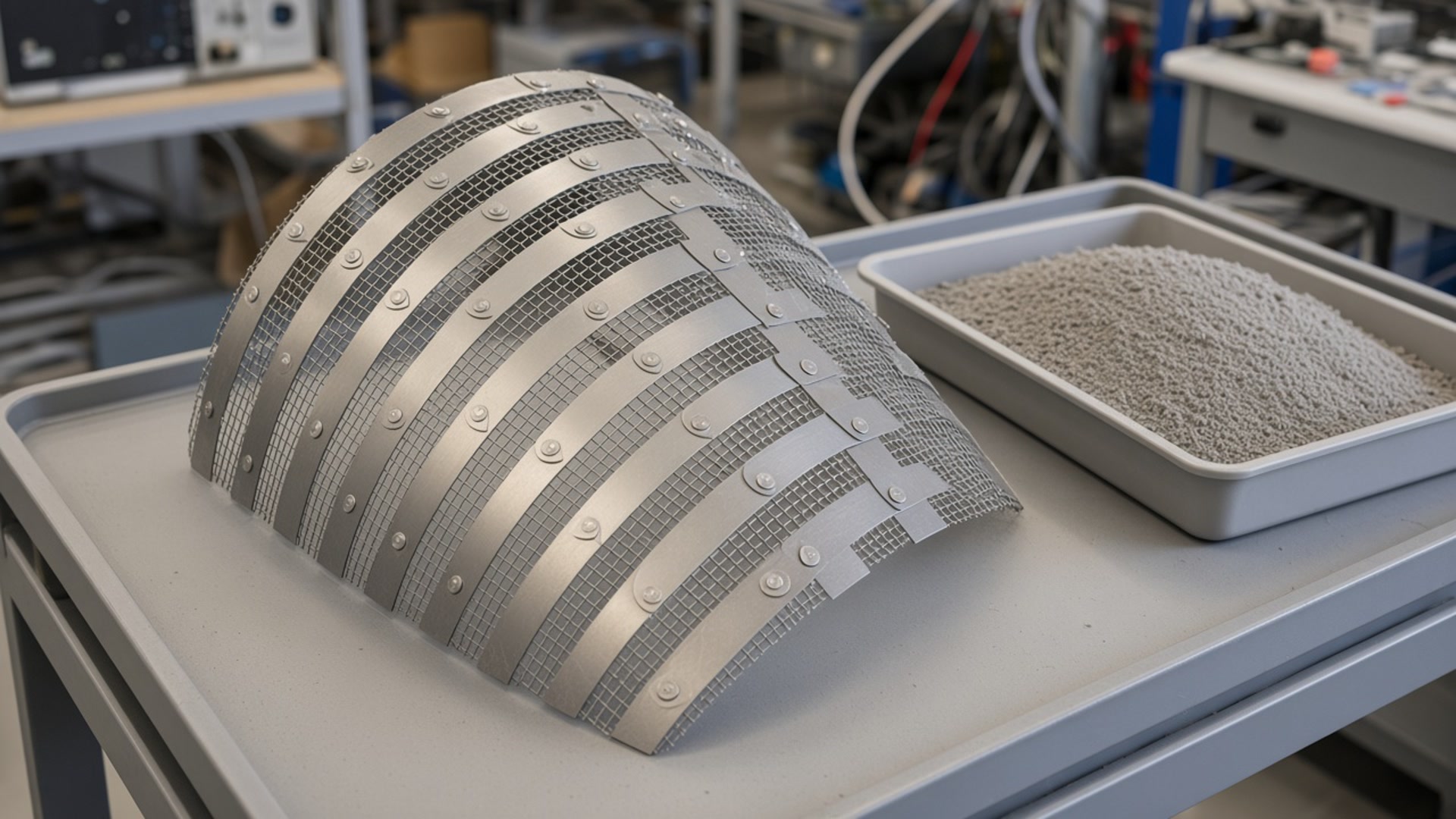
Foothold 4 ended on a turn: once landers repeat, the question changes from what can land to what stays and works after the lander leaves. That question has an answer on paper now, and it is uneven. Some of the surface kit has a buyer, a seller and a price. Most of it is still a picture.
Mobility is the furthest along. In May NASA picked two companies to build lunar terrain vehicles: $219 million to Astrolab for its CLV-1 rover and $220 million to Lunar Outpost for Pegasus. Each rover weighs roughly a ton. Astronauts can drive it, or it can drive itself with guidance from operators on Earth. Both are meant to be ready for delivery to the Moon in 2028, and both build on smaller study contracts NASA awarded two years earlier. That is two suppliers for one job, each with a dollar figure attached.
The rides are bought too. NASA has set aside up to $280.4 million in CLPS task orders to land the two rovers separately at the South Pole region. For a base, that pairing matters. A rover with no ride is a model in a hangar, and a ride with no rover is an empty deck. Here both halves have a price.
Scouting comes before both. NASA's MoonFall mission, led by the Jet Propulsion Laboratory, will send three or four small drones to fly short hops across the surface and survey landing sites before crews arrive. It is a NASA-built mission, not a commercial purchase, but it decides where the purchased hardware will go.
Then the gap. NASA's Moon Base material shows habitats in its renderings and lists habitation site preparation among possible partner contributions. None of NASA's Moon Base announcements names a habitat prime or a habitat price. The base, as bought, is wheels and the rides for the wheels.
The score for the surface kit: funded, yes, for mobility and delivery. Flown, no. Neither rover has driven on the Moon, and neither delivery has flown. Second source, yes for rovers, with two suppliers under contract. No for habitats, where NASA has named no supplier. That is one box and a half, and the half is all wheels.
So the inventory today is two rovers on contract and the landings to put them there. A base needs more than that before anyone sleeps in it. It needs someone who signs for the habitat, and someone who checks that what was bought works once it is on the ground.
The invoice: a habitat prime with a dollar figure and rovers driving at the South Pole in 2028. Then the last question is who writes the surface check.
End of issue 012
If this was useful, the next one lands in a few days.