

The briefing · Vol. 17 · No. 017
12 November 2026 · Policy & capital · In-space economy · Earth observation · Connectivity · 6 min read
The Lunar Supply Line
NASA awards about $1.3 billion in Moon Base transport orders and sets a $10 billion lander ceiling. Rocket Lab and LeoLabs line up conditional Pentagon loans, France orders IRIS satellites for more than €1.5 billion, and Rakuten forms a subsidy-eligible Japan venture with AST SpaceMobile.
What this issue is actually about
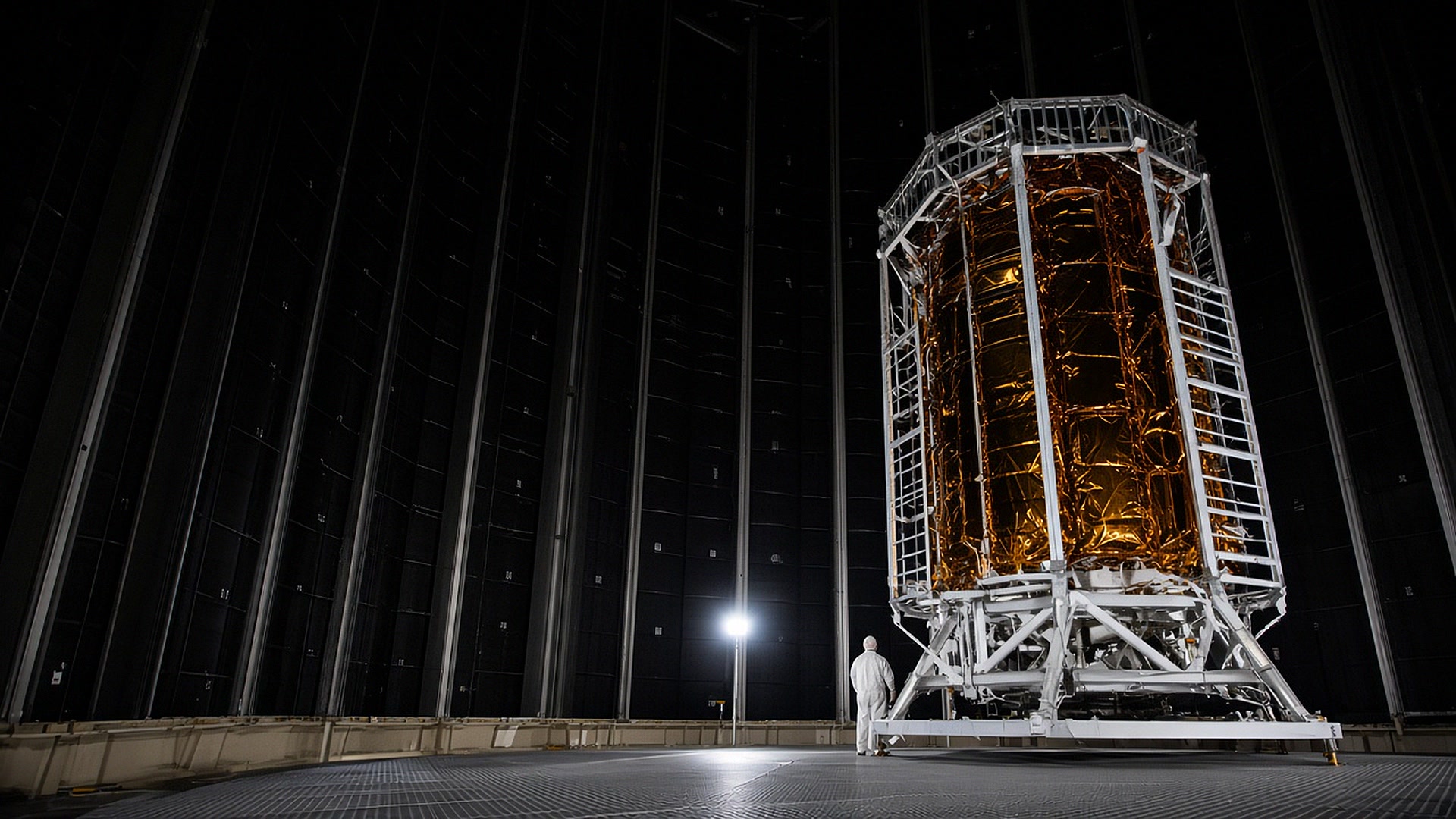
NASA is buying transport for its Moon Base as a set of service contracts. It awarded about $1.3 billion in cargo-transport task orders and a $94 million base contract, with a $140 million performance option, for a nuclear-powered rover ride, and it selected companies for a 10-year lander framework with a $10 billion ceiling under which no delivery missions have been awarded. Rocket Lab reported a record $268 million quarter and a $150 million conditional Pentagon loan to expand production of its unflown Neutron rocket. France ordered IRIS military observation satellites from Airbus and Thales Alenia Space for more than €1.5 billion, a program that is not the European Union's IRIS² constellation. LeoLabs has a separate $150 million conditional loan, matched for a $300 million total, to build radar factories. Rakuten and AST SpaceMobile formed a Japan venture eligible for up to ¥148 billion in subsidies.
policy
NASA awards Moon Base transport orders and a $10B lander ceiling
NASA announced a set of Moon Base transportation awards on Nov. 7, at a Saturday event called Max Power. The largest awarded sum is approximately $1.3 billion in task orders under the agency's Venture-Class Acquisition of Dedicated and Rideshare contract, given to Arrow Science and Technology, Blue Origin and Impulse Space to integrate and transport cargo. Those six orders sit inside a 10-year contract with a $5 billion maximum, NASA says.
The agency did not publish a company-by-company split of the $1.3 billion. Via Satellite reports that Arrow stated its award is worth $185 million. Impulse Space says it received two firm-fixed-price task orders, with missions scheduled to begin in 2028.
Separately, NASA awarded Blue Origin a $94 million base contract, plus a $140 million option based on performance, to deliver PROMISE, a nuclear-powered rover, to the lunar South Pole on Blue Origin's Mark 1 lander. The award expands a May 2026 task order to deliver two lunar terrain vehicles. NASA is targeting a late 2028 launch and an 18-month rover mission.
The lander framework is different. NASA selected eight companies for Commercial Lunar Payload Services 2, a 10-year indefinite-delivery contract with a combined maximum value of $10 billion. The companies are eligible to compete for future surface deliveries. NASA has not awarded those missions, so the $10 billion figure is a ceiling, not money spent. NASA also raised the ceiling on the original CLPS contract from $2.6 billion to $4.2 billion. That contract remains in place through November 2028, with an additional period to finish awarded deliveries through November 2033.
When Tycho closed its Foothold series in issue 014, the follow-on lander contract had not been awarded. NASA has now awarded the master contract. It has not yet bought the landings themselves.
in-space
Rocket Lab posts a $268M quarter and a $150M conditional loan for Neutron
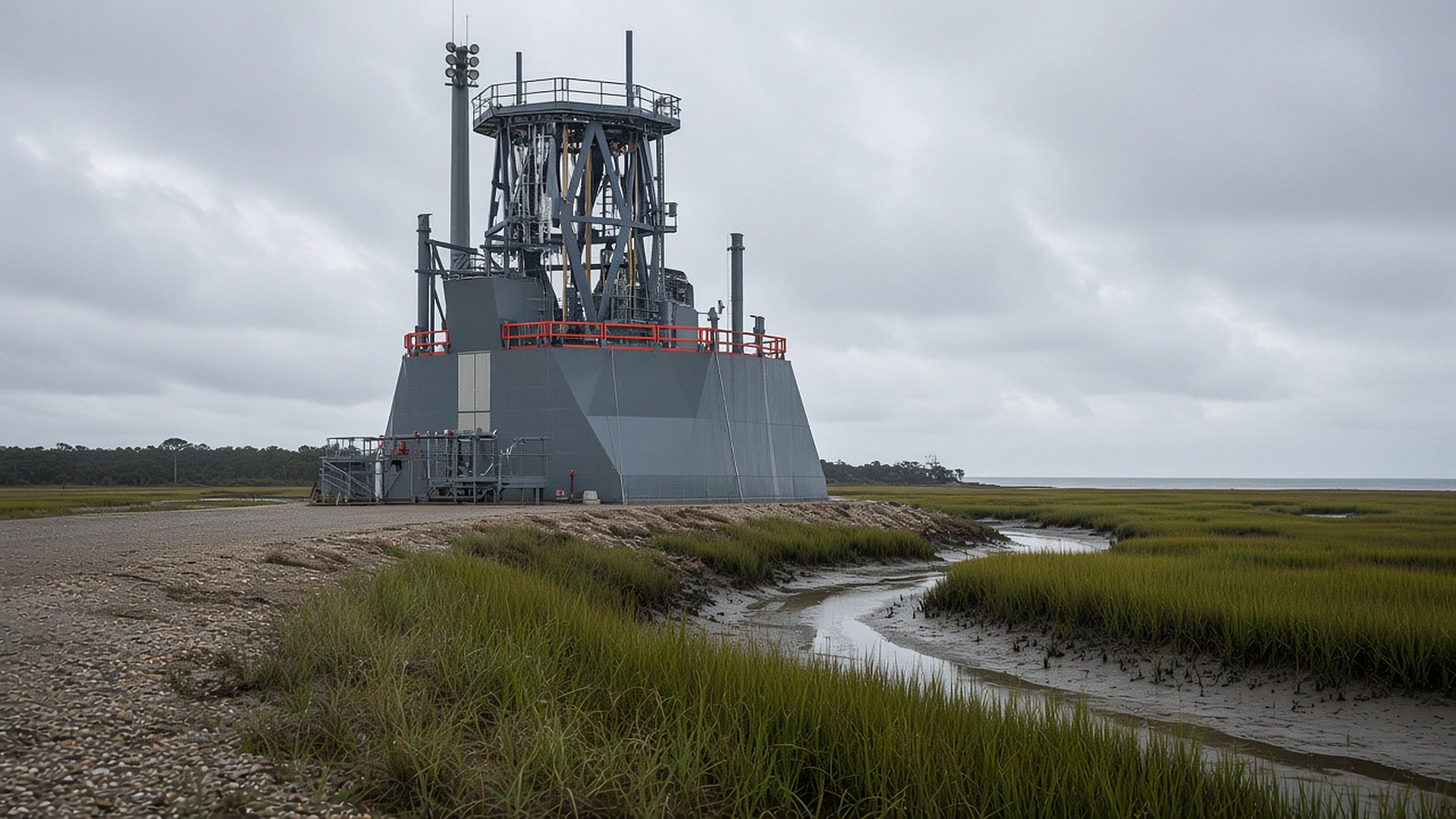
Rocket Lab reported record third-quarter results on Nov. 9, with revenue of $268 million, up 73% from a year earlier and $34 million higher than the second quarter. Backlog reached $3.57 billion, a 52% increase since the end of the second quarter, according to the company. Payload reports the backlog as $3.6 billion and says it covers 117 launches and more than 55 spacecraft.
New launch contracts signed in the quarter were about $1 billion, Rocket Lab says, and Space Systems bookings were $470 million. Neutron accounts for more than $515 million of launch contracts from constellation operators, growing that vehicle's backlog to 16 missions ahead of its first flight. The company lifted the base launch price to $70 million for several of those missions. Payload reports the prior base price was $55 million.
Neutron has not flown. Rocket Lab now targets a first launch no earlier than 2027. The company posted positive GAAP operating cash flow of $7.2 million and a net loss of $79.7 million. It guided fourth-quarter revenue to $270 million to $290 million.
The same day, the Office of Strategic Capital announced a $150 million conditional loan commitment intended to help Rocket Lab increase Neutron production, add recovery and transport vessels, and shorten turnaround after the rocket's operational debut. The commitment is not a closed loan. OSC says Rocket Lab must still satisfy financial, legal, technical, investment, due diligence and other requirements before financial close. Inside Defense, citing the department, reports the same conditions.
earth-observation
France orders IRIS observation satellites from Airbus and Thales for more than €1.5B
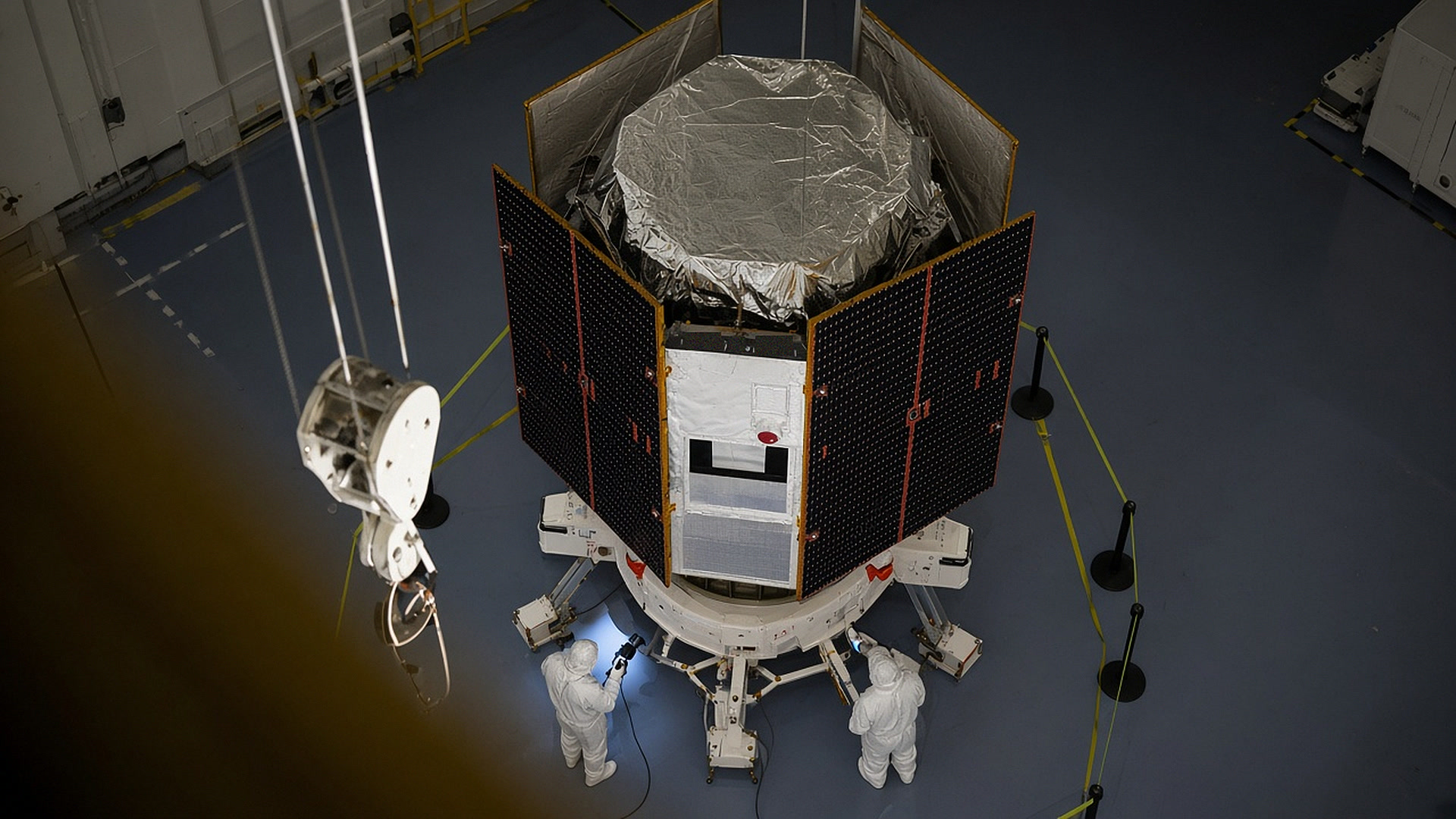
France's defense procurement agency, the DGA, has awarded Airbus Defence and Space and Thales Alenia Space a contract for IRIS, a military Earth-observation program valued at more than €1.5 billion for the entire consortium. Airbus announced the award on Nov. 9. The DGA says it notified the companies on Nov. 5.
The program is not the European Union's IRIS² communications constellation.
The contract covers detailed design, manufacture and testing of two extremely high-resolution optical satellites, plus control and user ground segments and in-orbit operations and maintenance through the end of the 2030s, Airbus says. The split between the two companies has not been disclosed. Airbus, which describes itself as lead contractor, will provide both platforms, a significant share of the first satellite's payload and the ground segment. Thales Alenia Space will develop a next-generation payload for the second satellite, supply critical elements of the first payload and contribute to the ground segment.
IRIS will replace France's three CSO satellites, flown under the MUSIS program. According to the DGA, the new system will take day and night images, in visible and infrared wavelengths, of any point on Earth at extremely high resolution, and will also be able to image objects in orbit for space surveillance. The Space Command of the French Air and Space Force will operate it.
Service dates come from the DGA, not from Airbus's announcement. The agency says the first satellite is due to enter service around 2033, with both satellites in orbit around 2035, in line with France's military programming law. Defense News and AeroTime report the same timetable, attributed to the DGA.
The satellites have not been built. The contract pays for development and operations, not a working system.
policy
LeoLabs lines up a $150M conditional loan, matched to $300M, for radar factories

LeoLabs is trying to turn space-tracking radars into a factory product. The Office of Strategic Capital announced a $150 million conditional loan commitment on Nov. 4 to expand the company's U.S. radar manufacturing capacity. LeoLabs, in a Nov. 5 statement, described the facility as "up to" $150 million. The commitment is not a closed loan.
OSC says the loan would be matched dollar for dollar with co-investment, resulting in a $300 million capital infusion. The department did not name the co-investors. Before financial close, OSC says LeoLabs must satisfy financial, legal, technical, investment, due diligence and other requirements. Air & Space Forces reports the same conditions.
What the factories are for comes from the company. LeoLabs says the financing would support completion of two large-scale U.S. manufacturing facilities by 2028 and the addition of dozens of systems to its global network by 2030, as well as sovereign radars for U.S. and allied government customers. Air & Space Forces quotes that factory plan from the company's statement.
LeoLabs says the radars include its fixed-site Seeker and Ranger systems and transportable Scout units. OSC says the financing would scale production and deployment of multi-mission phased array radars and expand the company's sensing infrastructure. The plants and added radars are plans, not delivered hardware.
Five days later, OSC announced a second $150 million conditional loan commitment, this one to Rocket Lab, for production of its unflown Neutron rocket. Both commitments remain subject to close.
connectivity
Rakuten and AST SpaceMobile form a Japan venture eligible for up to ¥148B in subsidies
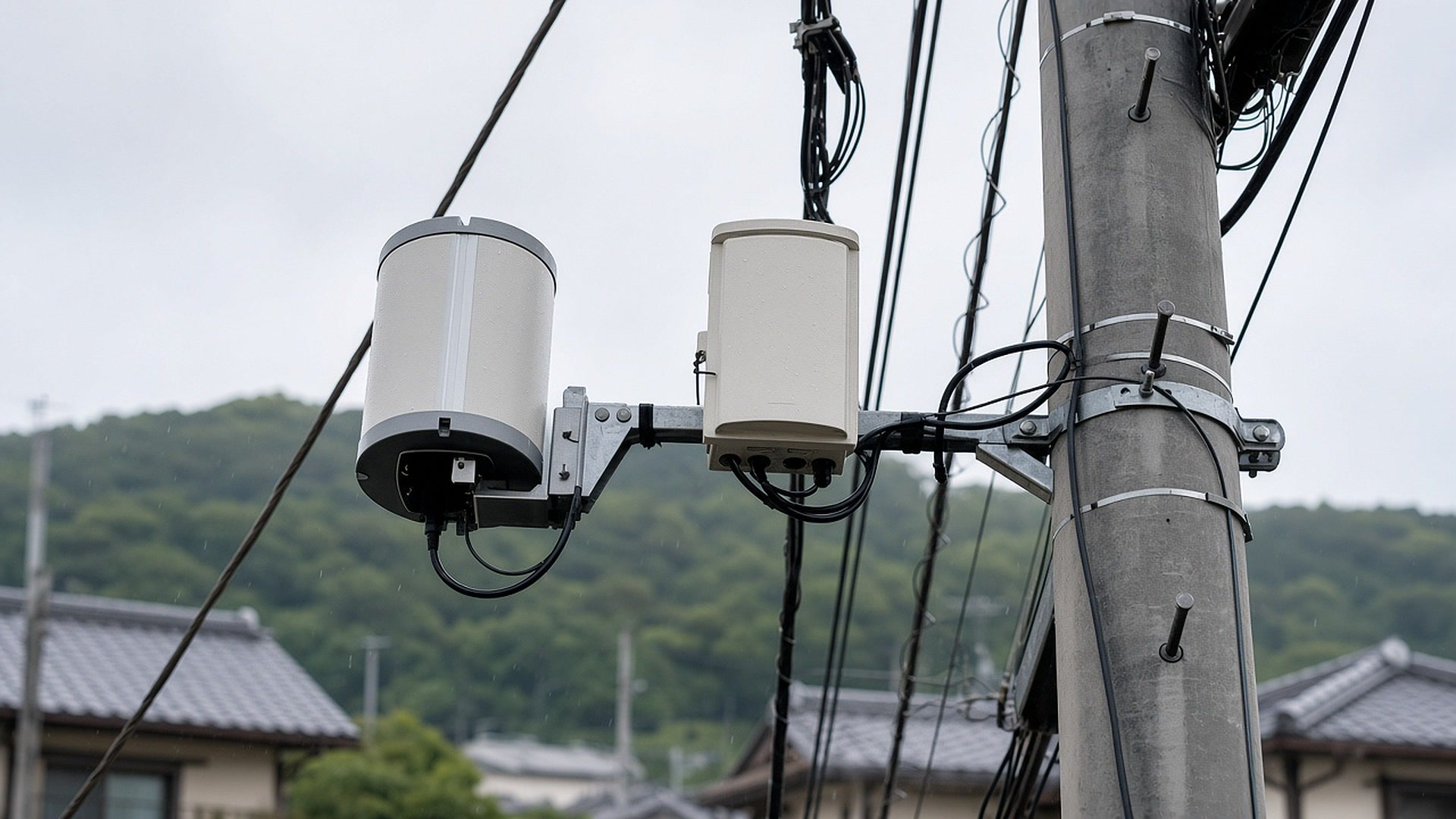
Rakuten Group and AST SpaceMobile agreed to form Rakuten AST, a Japanese joint venture, to build a direct-to-device satellite network under Japan's J-LEO program. The companies announced the plan on Nov. 9 and said they reached the agreement on Nov. 6, Japan time. Rakuten will hold 51% of the voting rights. AST SpaceMobile's Japanese subsidiary will hold 49%.
The Ministry of Internal Affairs and Communications selected a Rakuten proposal for J-LEO, a project to establish a low Earth orbit communications network managed and operated in Japan. Rakuten says the joint venture is expected to receive up to ¥148 billion, about $1 billion, in support over approximately three years, through the Communications and Information Network Association of Japan. Via Satellite reports the same approximate dollar figure. That is a ceiling of eligibility, not a completed grant payment.
AST SpaceMobile will supply the satellites. BUSINESS NETWORK, a Japanese trade outlet, reports that the venture estimates it will need 40 to 50 Japanese-flagged satellites. That count does not appear in Rakuten's English-language announcement, and it is an estimate, not a signed satellite order.
The companies say they are targeting the start of domestic operations by the end of March 2029. The joint venture is planned to be established in November, with ¥100 million in initial legal capital, and will be based in Tokyo. Rakuten says the company's business will be satellite procurement and the operation and management of satellite connectivity, and that the satellites would be compatible with mid-band spectrum.
End of issue 017
If this was useful, the next one lands in a few days.