

The briefing · Vol. 16 · No. 016
10 November 2026 · Connectivity · In-space economy · Earth observation · Policy & capital · 6 min read
Connectivity Buys Engine Rights
AST SpaceMobile signs a $1.3 billion-plus engine and licensing agreement with Firefly, CesiumAstro announces $730 million in financing for a planned network, NASA selects three relay developers under about $1.07 billion in potential awards, OHB wins a €554 million satellite contract and Redwire announces a $20 million precursor-flight award.
What this issue is actually about
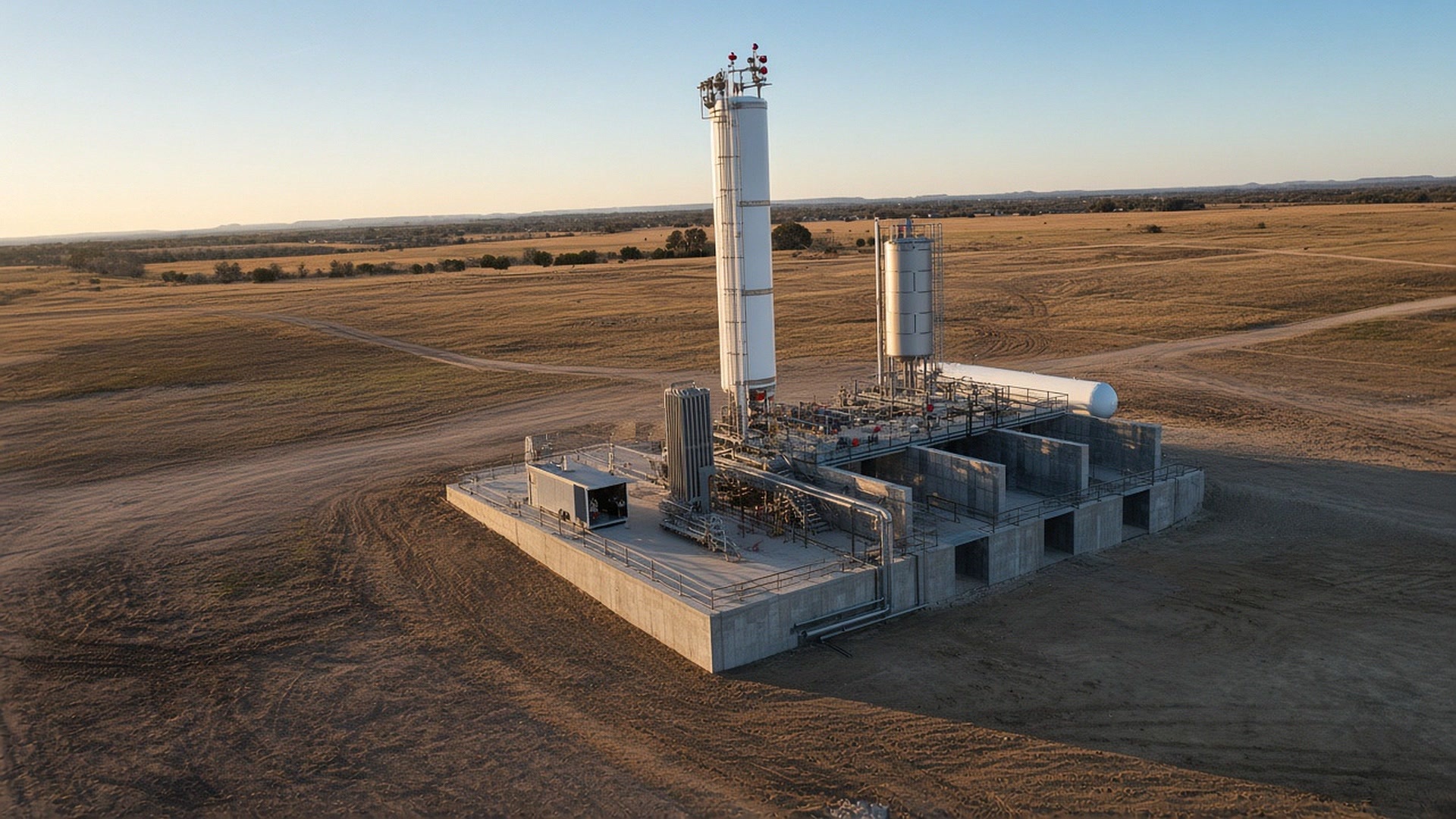
AST SpaceMobile is contracting for engine rights as well as launches. The companies value its agreement with Firefly at more than $1.3 billion; it covers a manufacturing license, engine deliveries and engineering support, with payment in cash and stock. Neither engine has flown. CesiumAstro has announced $730 million in financing and a planned 737-satellite network, with one precursor launched in October. NASA has selected three relay developers under contract ceilings totaling about $1.07 billion, including unexercised options. ESA has ordered one next-generation Sentinel-3 topography satellite from OHB for €554 million, with another optional. DARPA has added a $20 million precursor flight to Redwire's Otter work, ahead of the full mission.
connectivity
AST SpaceMobile signs a $1.3B-plus engine and manufacturing license deal with Firefly
AST SpaceMobile is buying the right to manufacture its own propulsion, not just reserving more launches. On Nov. 6, the satellite operator and Firefly Aerospace announced an engine-license, hardware and engineering-services agreement they value at more than $1.3 billion for AST's planned reusable launcher.
The license accounts for approximately $800 million in upfront consideration, according to AST's release furnished to the SEC. AST says that consists of $400 million in cash and 10 million to 14 million Class A shares, with the share count determined by a forward volume-weighted average price calculation. It is not an all-cash purchase, and the announcement describes amounts AST will pay, not completed payments.
The other two portions are $250 million for engine deliveries and $250 million for engineering support over three years. Firefly will supply 27 Miranda engines and nine vacuum-variant Vira engines for AST's first three rockets, Via Satellite reports. AST acquires a perpetual manufacturing license.
AST says it plans to produce the engines at a new U.S. facility. Its planned launcher is designed to carry up to five BlueBird communications satellites per flight, with operations targeted for late 2028. Via Satellite reports that AST will retain external launch providers rather than replace them with its own vehicle.
The hardware has not caught up with the agreement. Spaceflight Now reports that neither Miranda nor Vira has flown, although Firefly says Miranda has accumulated more than 175 hot-fire tests and more than 4,200 seconds of firing time.
The signed cash-and-stock agreement establishes a funding commitment, not flight qualification. Flown remains no for both engines. The license would add parallel engine production for AST, not an independently qualified second supplier today.
connectivity
CesiumAstro announces $730M financing and a 737-satellite network plan
CesiumAstro announced $730 million in Series D financing on Nov. 5, valuing the company above $4.5 billion on its account. Janus Henderson led the equity round, with investors including Insight Partners, Sands Capital, Sumitomo Corporation of Americas and Toyota's Woven Capital.
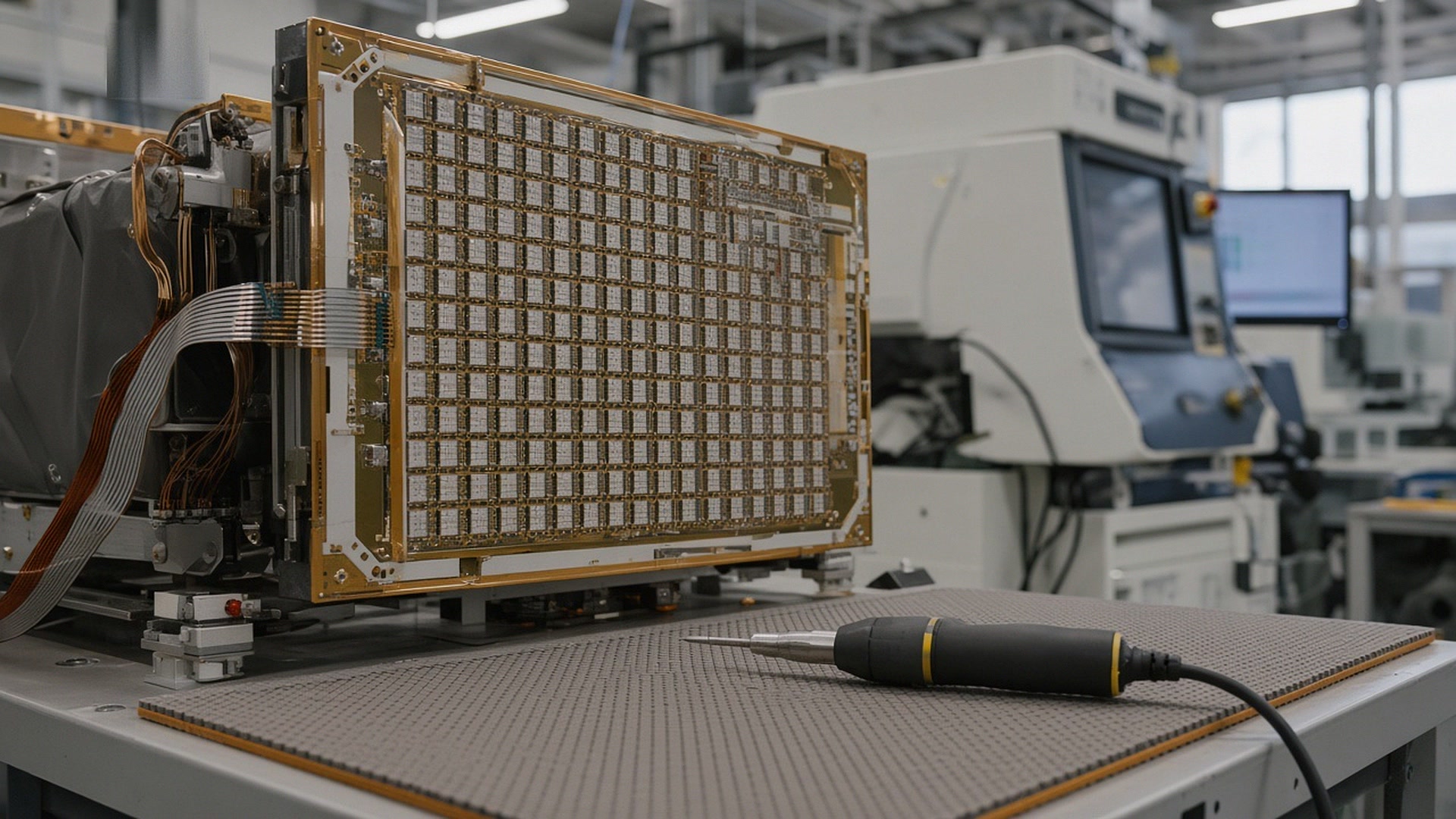
CesiumAstro says Synchronicity combines technology the company already designs: semiconductors, active phased arrays, communications payloads, processors, spacecraft, ground terminals and mission software. The company says integrating those elements is intended to let the system adapt to changing mission requirements, rather than assembling the network from independently sourced components.
Manufacturing expansion accompanies the financing. CesiumAstro announced a $500 million investment over five years to expand its Austin-area headquarters, including the purchase of 270,000 square feet of manufacturing space. Payload reports the money will support manufacturing expansion as well as further potential acquisitions.
The company also unveiled Synchronicity, a planned 737-satellite network using Ku-, Ka- and V-band communications. It moves CesiumAstro from supplying antennas and spacecraft toward operating its own infrastructure for commercial and national security customers. The fleet size is a plan, not a count of satellites purchased or deployed.
Element-1 launched in October, according to CesiumAstro and reporting by Payload and Via Satellite. It is the first of eight planned precursor spacecraft, with seven further launches secured, according to the company. Payload reports that the remaining flights are planned for 2028 and 2029.
Funded applies to the announced financing, not to completion of all 737 satellites. Flown applies to one precursor. Synchronicity would add a parallel connectivity supplier, but a single launched spacecraft is not yet the proposed network.
connectivity
NASA selects three Ka-band relay developers under $1.07B in potential awards
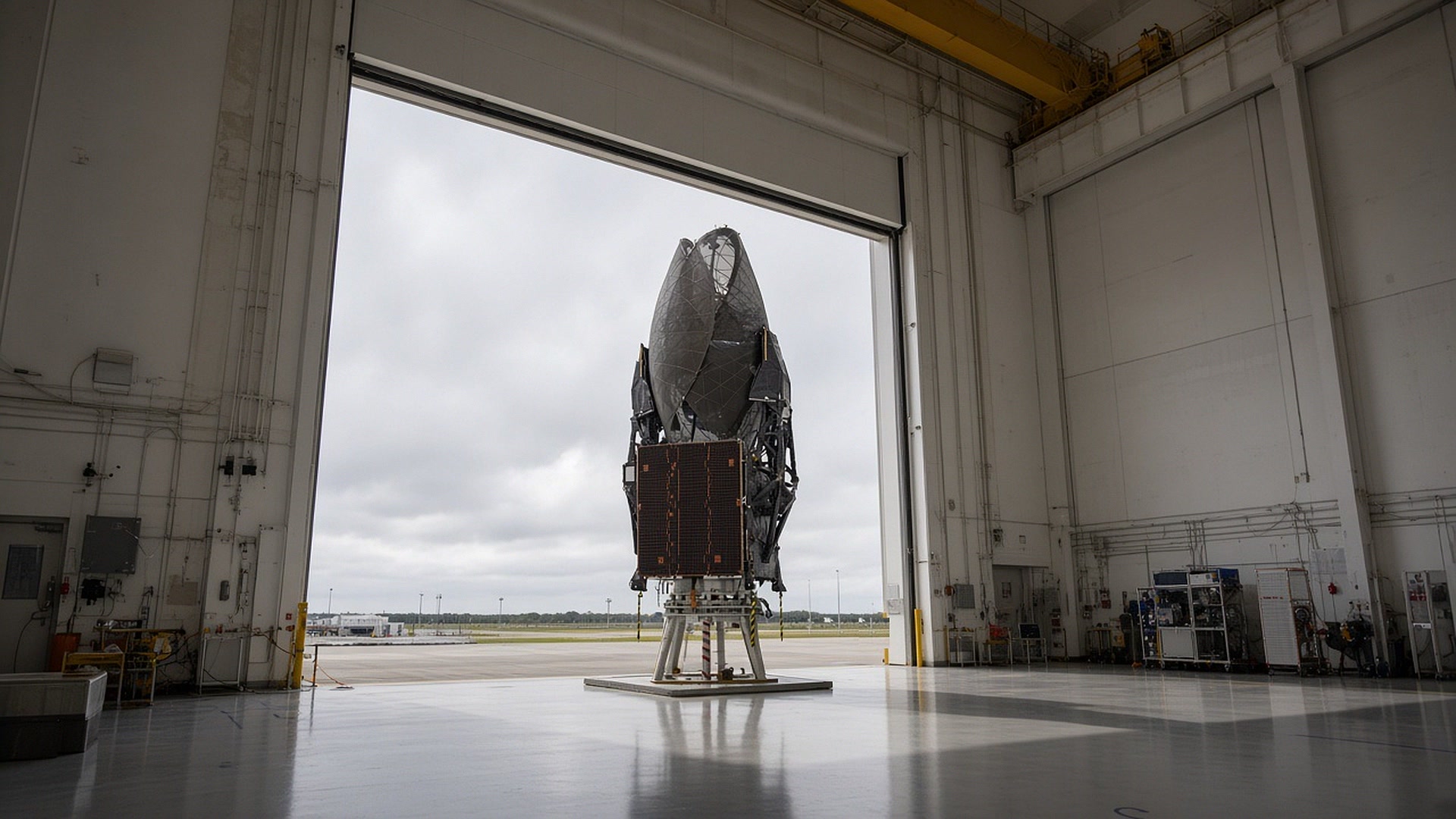
NASA selected three companies on Nov. 4 to develop commercial Ka-band relay concepts compatible with spacecraft already using its Tracking and Data Relay Satellite fleet. The contracts have a combined maximum potential value of $1.0656 billion, including every future option. NASA did not disclose the initial funding amounts in its announcement.
Viasat's ceiling is $460.9 million, Global Enterprise Solutions' is $340.4 million and Astranis' is $264.3 million. Via Satellite identifies Global Enterprise Solutions as SES Space & Defense. These are firm-fixed-price contracts under NextSTEP-3 Appendix E, with an initial performance period from Nov. 4 to May 3, 2027.
The first phase covers concept development and risk reduction. NASA can exercise priced options to advance toward an in-orbit flight demonstration and continue work through 2029. Selection does not commit NASA to buy all of those later phases or establish that any replacement relay has flown.
Compatibility is the constraint. NASA says some existing spacecraft cannot feasibly change their onboard hardware or use incompatible commercial services. It wants end-to-end solutions covering the space and ground segments, launch, operations and integration, while buying service as one customer among others rather than owning the whole system.
Via Satellite reports that the solicitation seeks backward-compatible Ka-band service for legacy users for at least 15 years. The current relay fleet stopped accepting new missions in late 2024 but is expected to support existing users into the mid-2030s, the outlet reports. The transition therefore has to preserve links to spacecraft that cannot be rebuilt in orbit.
The awards fund development work; the maximum values include future options. Flight demonstrations remain ahead. The three selected developers represent parallel paths, not three qualified replacement networks already available to NASA.
earth-observation
OHB wins €554M Sentinel-3 topography contract, with a second satellite optional
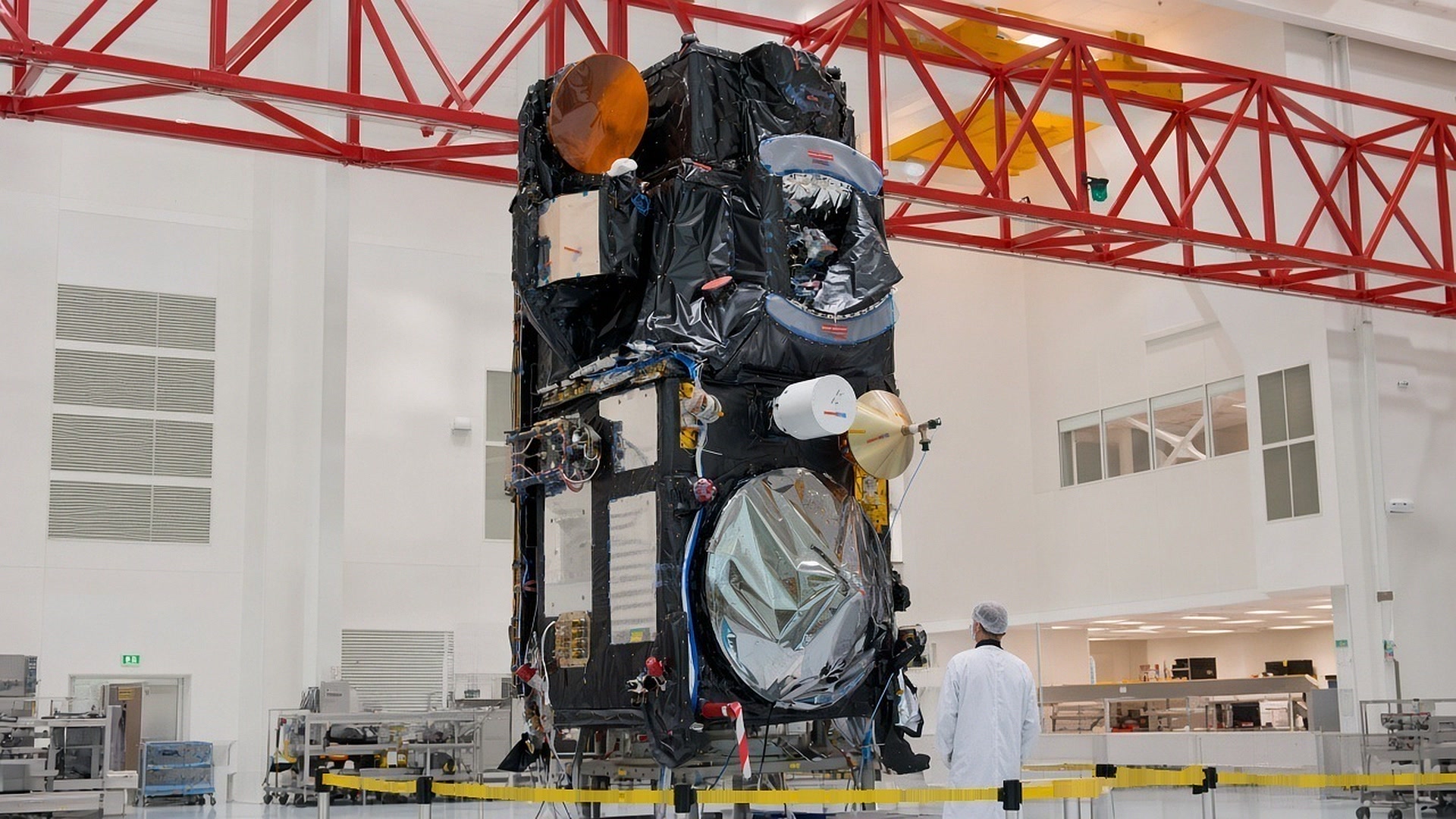
OHB System has secured a €554 million contract from the European Space Agency for the first Sentinel-3 Next Generation Topography satellite. The company announced the award on Nov. 4 and will lead a European industrial consortium. The contract includes an option for a second spacecraft, not a firm order for a pair.
The mission changes how Europe's Copernicus programme packages its observations. Today's two Sentinel-3 satellites combine instruments for ocean and ice surface height, ocean and land colour, and surface temperature on the same spacecraft. The next generation splits those functions between separate missions, OHB and European Spaceflight report.
Sentinel-3 Next Generation Topography will concentrate on radar altimetry: measuring surface height across oceans, coastal regions, sea ice and inland waters. Visible and infrared observations and surface-temperature measurements move to Sentinel-3 Next Generation Optical. European Spaceflight reports that the corresponding optical development contract has not yet been announced.
OHB says the topography mission will improve height-measurement accuracy, cover larger areas and revisit them more frequently than today's satellites. Those are intended performance gains, not results already measured in orbit. Its planned identical spacecraft would operate in sun-synchronous orbit, according to the company.
European Spaceflight reports that both OHB and Airbus received topography study contracts, and interprets the new award as OHB's selection over Airbus for detailed development and manufacture. That does not make Airbus a second supplier under this award.
Funded is one development contract, with the second spacecraft still optional. Flown is the existing Sentinel-3 generation, not its successor. European Spaceflight reports tentative launches in 2033 and 2035, citing a July planning overview; OHB's announcement supplies no updated launch schedule. The option is for another satellite from the same prime, not a second manufacturing source.
in-space
DARPA adds a $20M precursor flight to Redwire's Otter work
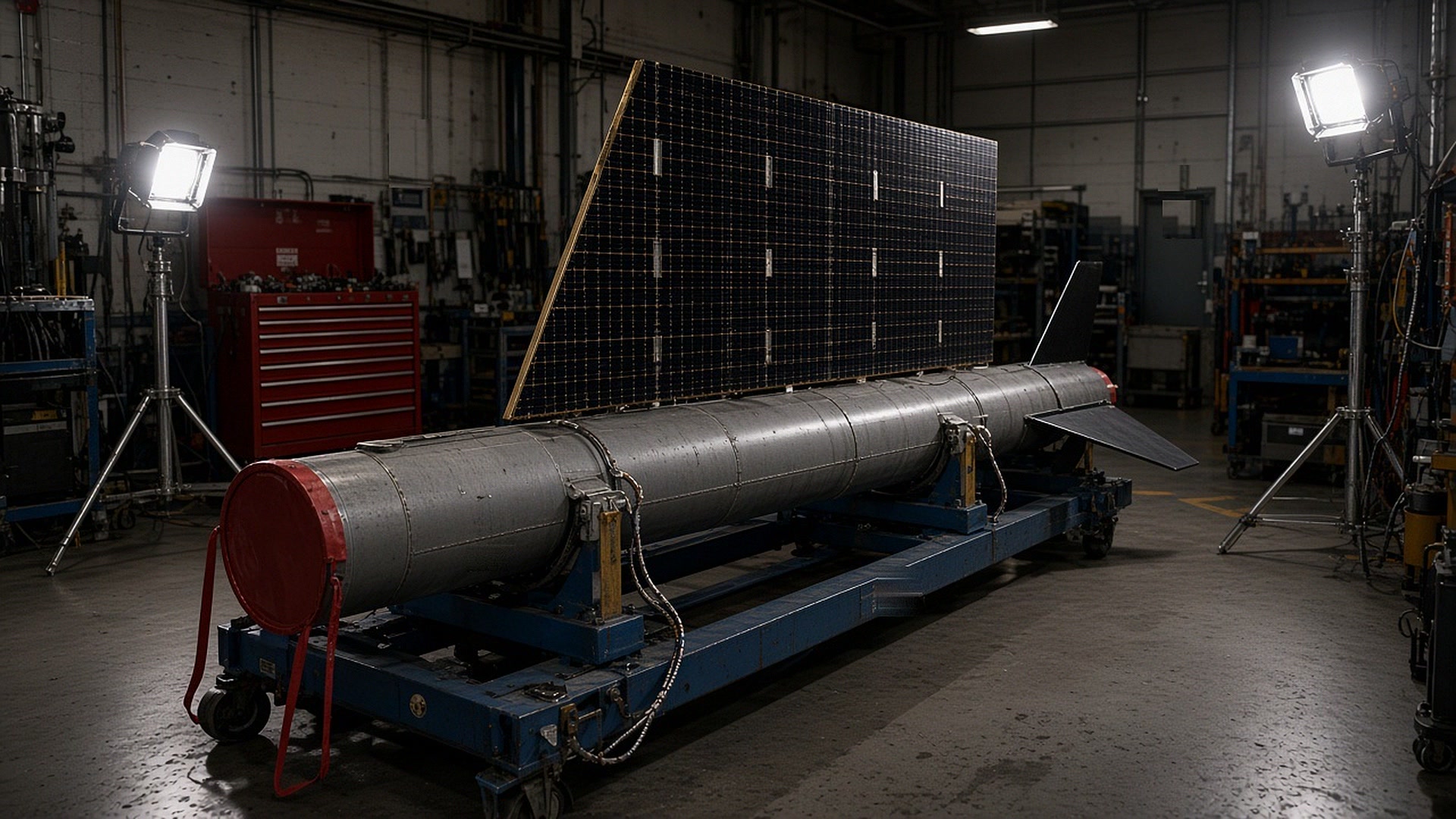
A short flight now sits ahead of DARPA's full Otter spacecraft demonstration. Redwire announced a $20 million contract on Nov. 5 for additional testing and experimentation with a scaled version of its SabreSat platform in very low Earth orbit. The award adds a second flight mission rather than enlarging the original spacecraft order.
Redwire executive Spence Wise told Via Satellite that the precursor targets late 2027 and would last less than 24 hours. Wise told Via Satellite that the aim is to collect propulsion data that ground facilities cannot fully reproduce before attempting the longer mission.
Redwire says the programme tests air-breathing propulsion. Via Satellite quotes DARPA describing a system that harvests thin atmospheric gas, ionizes it and accelerates the resulting flow to provide thrust. Wise told Via Satellite that spacecraft must generate sufficient electrical power for propulsion and compensate for atmospheric drag.
Wise told Via Satellite that operations at these altitudes also require protection against atomic oxygen. Wise told Via Satellite of potential advantages in image resolution, sensor performance and communications latency; those are proposed operational benefits, not results of this unflown test.
The new award follows a $44 million contract announced in 2025 to build the full-scale spacecraft. Redwire puts the two announced awards at $64 million. Via Satellite reports no publicly announced date for the full Otter flight.
Funded is two announced contracts, not $64 million reported as paid. Neither planned Otter mission has flown. Both flights use Redwire spacecraft; a second experiment is not a second spacecraft supplier.
End of issue 016
If this was useful, the next one lands in a few days.