

The briefing · Vol. 15 · No. 015
5 November 2026 · Connectivity · Policy & capital · In-space economy · 6 min read
Ground Capacity, Backlog and a Settled Bill
Northwood Space raises $375 million for its shared ground network, Voyager's backlog more than doubles with help from an acquisition, the Space Force pays Lockheed $95 million to settle a skipped GPS IIIF buy, NASA orders a $28.9 million Rocket Lab payload flight and Tumbleweed raises €6.9 million for a reentry vehicle.
What this issue is actually about
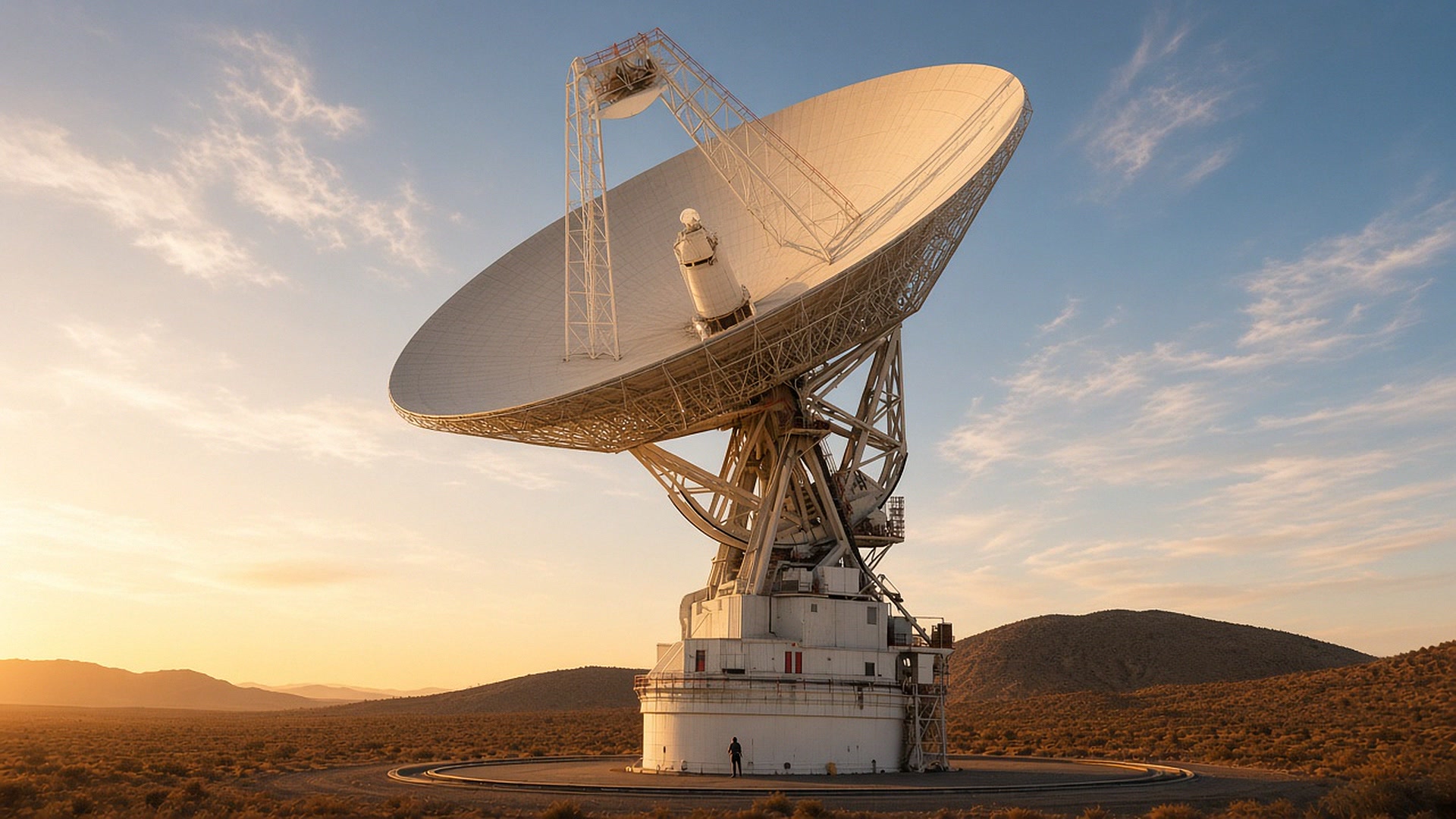
The largest raise this week is a private round for ground stations. Northwood Space has raised $375 million to build more sites and antennas for a network it sells as shared capacity, at a $2 billion valuation reported by TechCrunch and Payload. Voyager's backlog reached $742 million, with $347 million of the increase coming from its Astrobotic acquisition, while Starlab's reservations stay outside that figure. The Space Force has paid Lockheed Martin $95 million to settle the cost of a year without GPS IIIF orders, a modification that adds no satellites. NASA has ordered a $28.9 million payload integration and flight from Rocket Lab, and Tumbleweed has seed money for at least three 2027 missions and a returnable research vehicle. Two of the five seats are private rounds; the other three are a quarterly report and two federal contract actions.
Ground Segment
Northwood Space Raises $375M to Scale Its Shared Ground Network
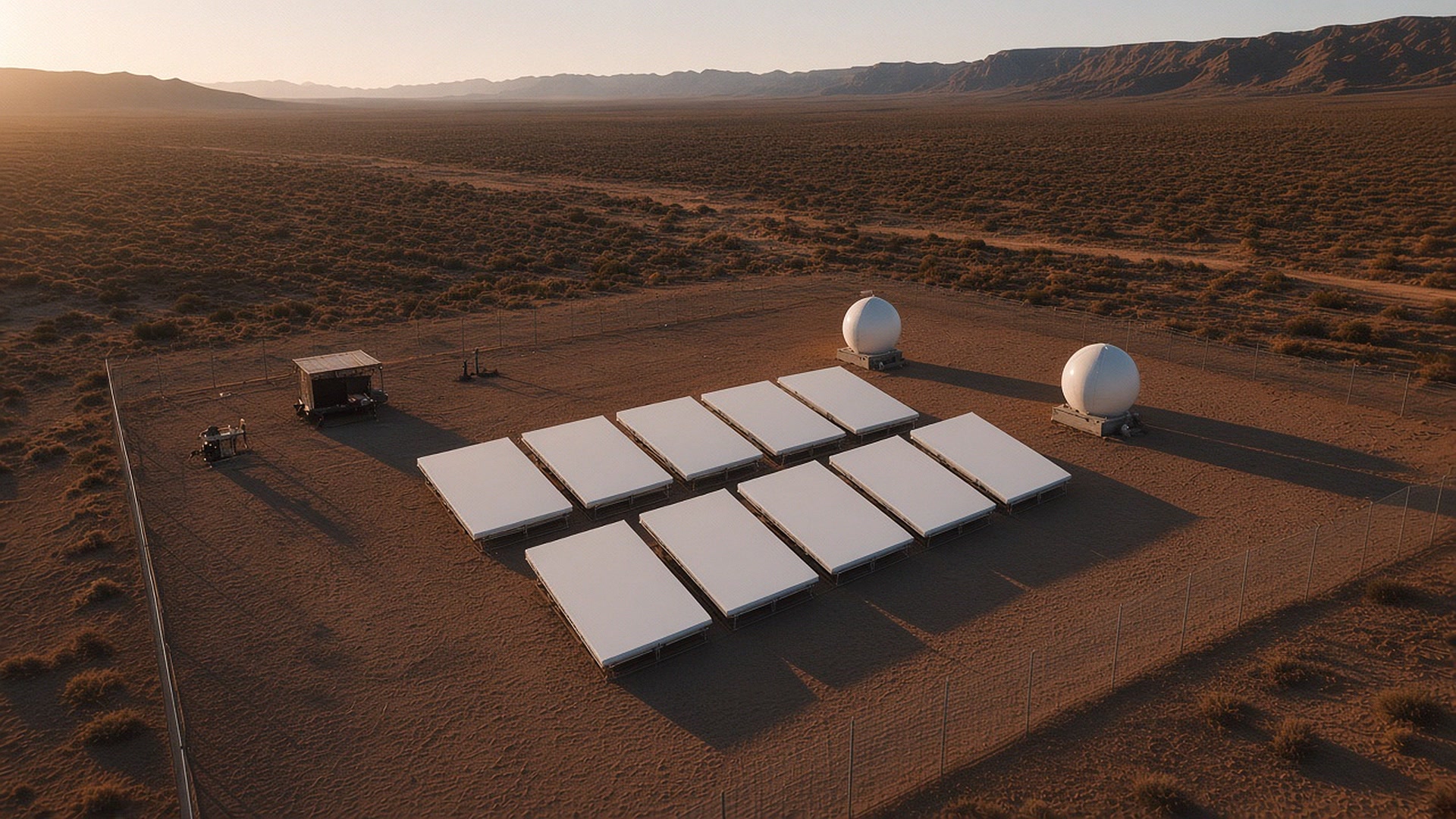
Northwood Space closed a $375 million Series C on Nov. 2, co-led by Andreessen Horowitz and DFJ Growth. Washington Harbour Partners, which led the Series B, returned alongside Alpine Space Ventures, Stepstone and In-Q-Tel. TechCrunch and Payload report the round values the Torrance, California company at $2 billion. Northwood also lined up a separate multi-year credit facility from HSBC Innovation Banking; Payload reports its value was not disclosed.
The pitch is ground capacity as a shared utility. Northwood builds its own modular antennas: Portal phased arrays for command and control, and Prism parabolic dishes for high-throughput payload data. Operators reserve passes through an API rather than building dedicated stations. The company says a new site takes about three months to stand up.
The company says that since its $100 million Series B in January it has deployed six multi-orbit-capable sites on two continents and demonstrated a full-duplex link to a government geostationary satellite in a Space Force prototype. That work builds on the three-year, $49.8 million Space Force contract, announced in January, to support the Satellite Control Network.
Manufacturing is the other half of the plan. Northwood opened a 185,000-square-foot headquarters and factory in Torrance in August and planned to move production there in October. The company says that at full production it can build hundreds of antennas a year across the two product lines.
The new money goes to existing contracts, hiring and network buildout. Northwood says it has grown past 140 employees and plans to add 400 jobs in Torrance and Washington over three years. Chief executive Bridgit Mendler told reporters on a press call, as quoted by Payload, that the company intends to reach and surpass the hundreds of sites operated by today's largest ground networks.
Earnings
Voyager's Backlog More Than Doubles, Led by the Astrobotic Deal
Voyager Technologies reported third-quarter results on Nov. 2 with a headline number that needs a footnote. Backlog reached a record $742 million at Sept. 30, up from $336 million at June 30. The company says $347 million of that came from its acquisition of Astrobotic, so most of the quarter's increase was bought rather than booked.
The organic side was still strong. Voyager reported record bookings of $116 million, up from $49 million a year earlier, growth Voyager puts at about 135%, for a book-to-bill ratio of 1.3. Revenue was a record $89 million, up 124% year over year and 68% from the second quarter. For the first nine months, the company attributes growth to defense and national security demand and acquisitions, partly offset by the wind-down of lower-margin space service contracts.
Profitability lagged. Voyager posted a net loss of $55.7 million, or 91 cents a share, and an adjusted EBITDA loss of $44.9 million. It ended the quarter with $553.6 million in cash and $815.7 million in total liquidity, against $841.1 million in convertible notes. Voyager raised its full-year 2026 revenue guidance to $285 million to $305 million.
Starlab, the company's commercial space station program, sits outside those figures. Voyager says Starlab has about $700 million in signed commercial reservations, up from about $500 million last quarter. Reservations are not contracted backlog, and Voyager reports them separately. The program has collected $212.5 million in cumulative NASA milestone cash since inception, including $1.5 million in the quarter.
The next Starlab test is NASA's Commercial LEO Destination Phase 2 competition. NASA released the request for proposals in early October, with submissions due in December and an award expected in spring 2027, according to Voyager. The company also says Astrobotic's Griffin-1 lunar lander has completed acceptance testing ahead of a late-2026 launch.
Defense Contracts
Space Force Pays Lockheed $95M to Settle the GPS IIIF Skipped Buy
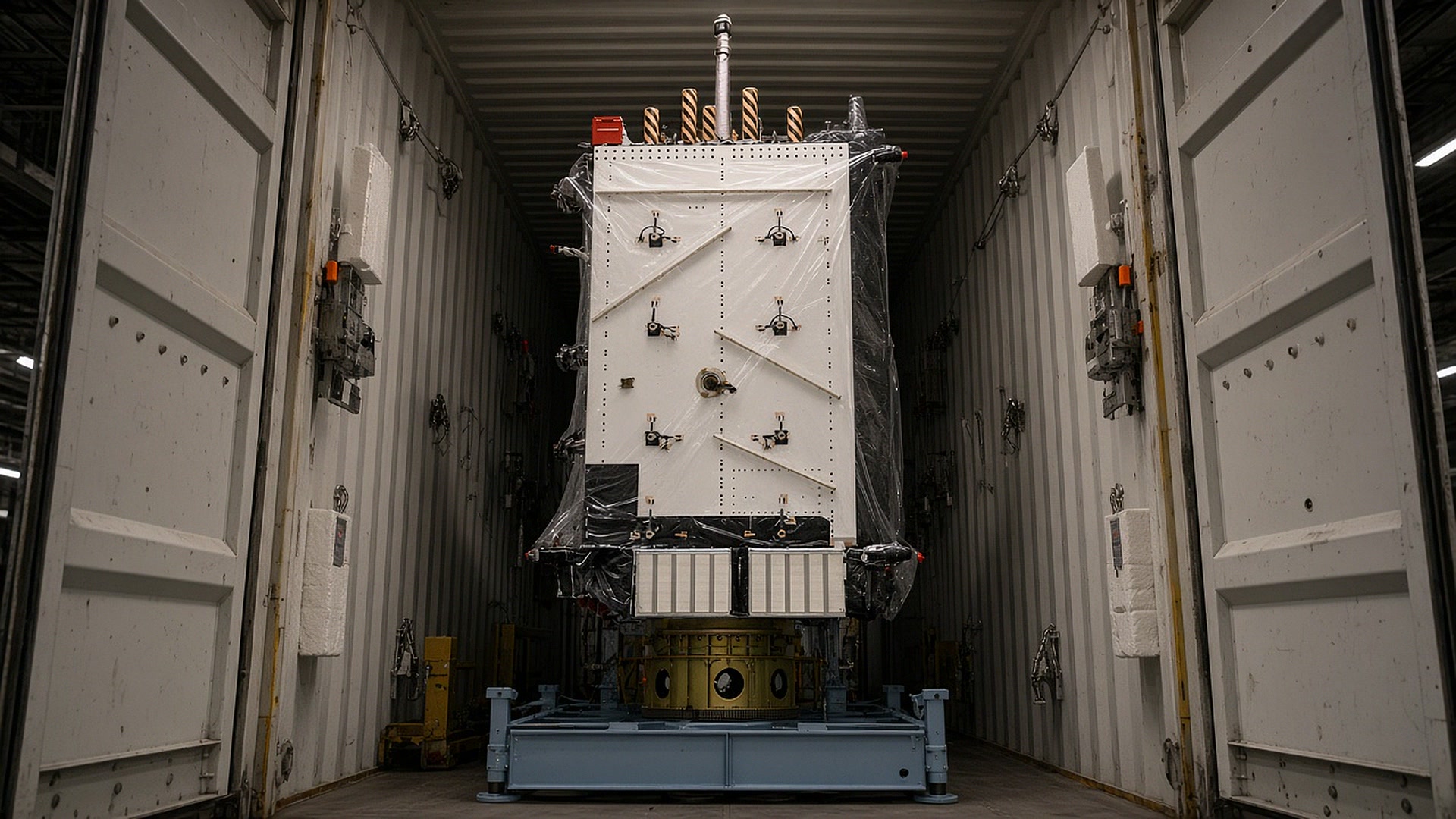
The Space Force has awarded Lockheed Martin a $95 million contract modification to settle the cost of a pause in GPS III Follow-On satellite purchases. The Pentagon announced the award on Oct. 30. Modification P00208 to contract FA8807-18-C-0009 fully funds Lockheed's request for equitable adjustment, the mechanism a contractor uses to recover costs caused by a government action that changes the terms of performance.
The action is a settlement, not an order. It adds no satellites. The money covers the disruption from a "Zero Buy" year in which the service requested no new GPS IIIF spacecraft, a gap appropriators had warned would trigger a penalty under the 2018 contract, according to Defense War Room. On an annual-lot production contract, Defense War Room notes, a skipped buy disrupts supplier orders, workforce loading and the learning-curve assumptions built into pre-negotiated prices. Defense War Room notes the announcement does not itemize what the $95 million covers.
The modification raises the contract's cumulative face value from about $4.633 billion to about $4.728 billion, with the full amount obligated at award. Work is performed in Littleton, Colorado. The 2018 contract covers up to 22 satellites in options.
Purchases have since resumed. Congress added money for two satellites, according to Defense War Room, and the Space Force awarded Lockheed $514 million in June for space vehicles 23 and 24. Defense War Room and SatNews both report that brings the number of GPS IIIF spacecraft on firm order to 14.
GPS IIIF adds Regional Military Protection, a capability that SatNews says delivers far greater resistance to jamming than legacy military-code signals. With 14 of up to 22 satellites on contract, eight options remain.
Civil Space
NASA Awards Rocket Lab $28.9M to Fly the GDC Trailblazer Payload
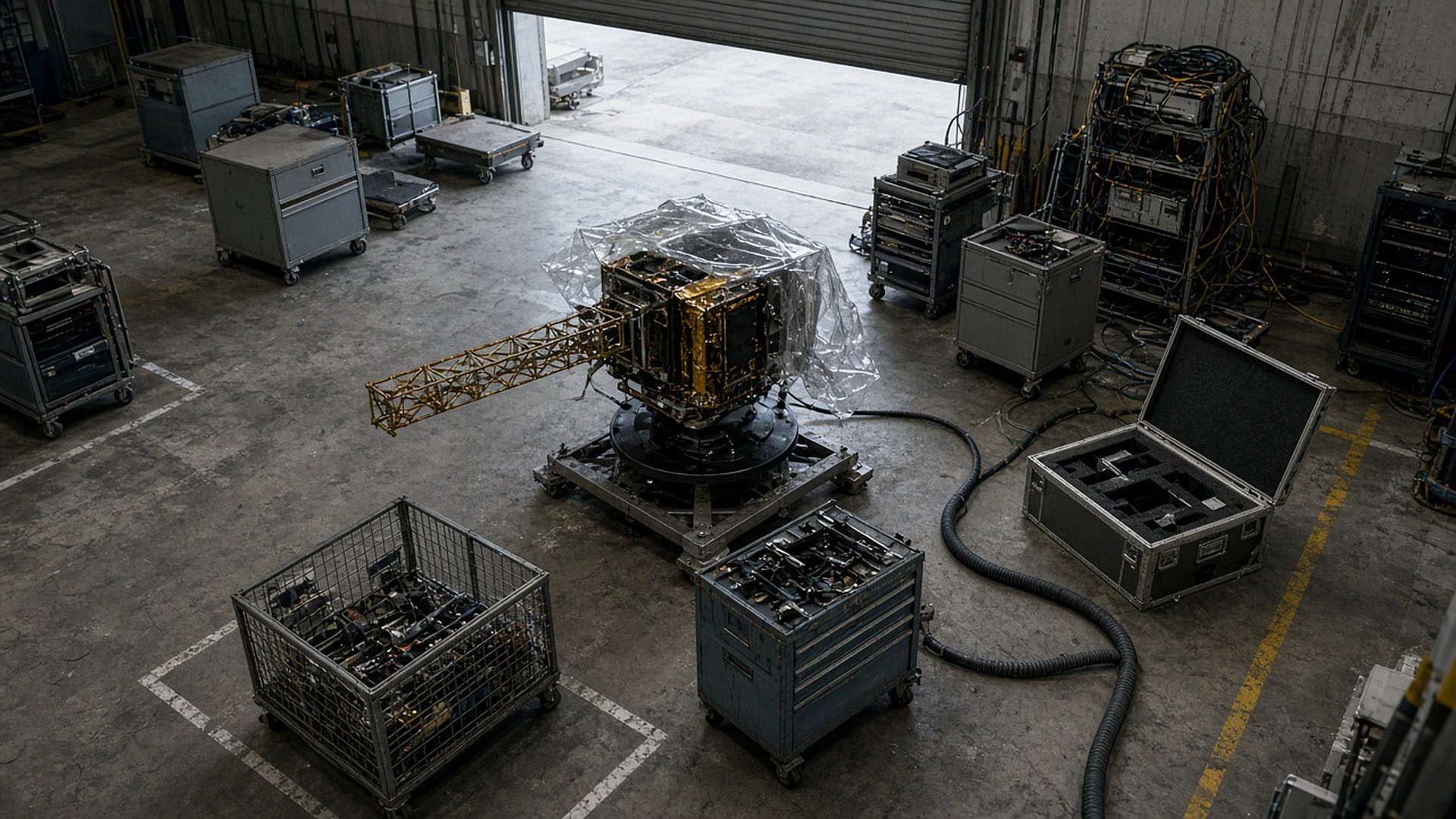
NASA has awarded Rocket Lab a $28.9 million delivery order to integrate and fly a payload called the Geospace Dynamics Constellation Trailblazer, or GDC-T, according to the federal award record. The order, numbered 80AFRC27FA003, was signed on Oct. 28 by NASA's Armstrong Flight Research Center and runs through Dec. 31, 2027.
The federal record lists $28,901,223 obligated at award. With options, the potential value is about $36.8 million, and the period of performance could run to the end of 2030 if every option is exercised. The order was competed under full and open competition, and the record shows one offer received.
The award sits under a Flight Opportunities indefinite-delivery contract that NASA's Armstrong center opened with Rocket Lab in March 2024 for flight and payload integration services. The record shows this is not Rocket Lab's first work on the payload. In May, NASA issued a $432,665 order for Rocket Lab to develop GDC Trailblazer mission concepts against a manifest requirements document labeled T0433, the same designation used in the new award. That concept phase ended in July, and the flight order followed three months later.
The award record describes the new order only as integration and flight of the T0433 payload. It does not list an orbit, a launch date or the instruments to be flown. Rocket Lab is based in Long Beach, California.
Across the four orders issued under the contract so far, obligations total about $29.9 million. Nearly all of that is the GDC-T order, which makes the Trailblazer flight by far the largest piece of the contract to date.
In-Space Research
Tumbleweed Raises €6.9M to Build a Reentry Vehicle for Microgravity Research
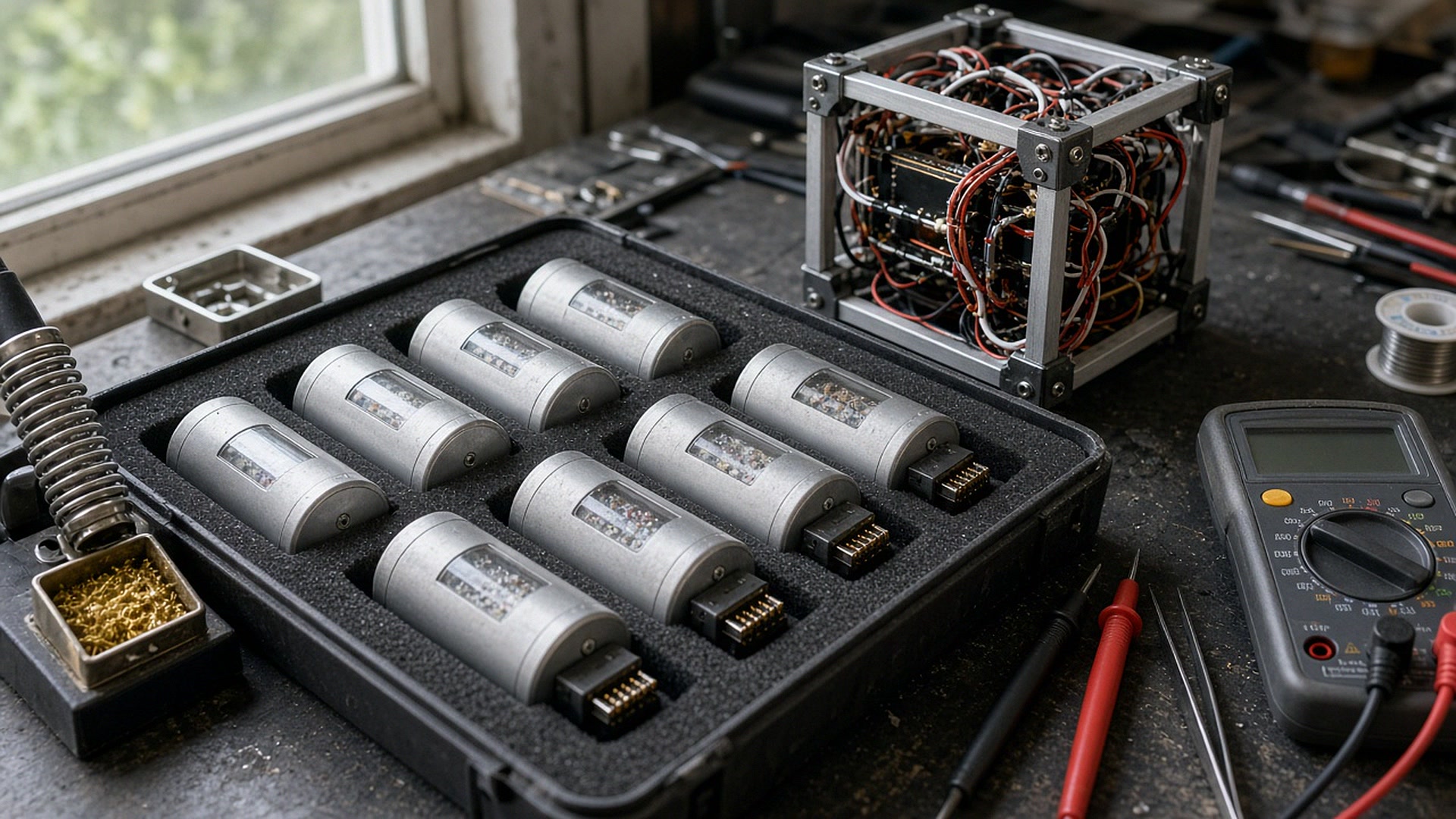
Vienna-based Tumbleweed has closed a €6.9 million (about $7.7 million) seed round led by Pact VC, with Vanagon Ventures, Prototype Capital, EWOR and angel investors including SES cofounder Candace Johnson. Payload, Tech.eu and EU-Startups reported the round on Nov. 3.
Founded in 2024, Tumbleweed works from Vienna and Delft, according to Tech.eu. The company sells access to microgravity to customers who do not want to build a satellite. Its first spacecraft, Oasis Alpha, was built in nine months and launched on July 7, 2026, according to EU-Startups, carrying research payloads from four customers. EU-Startups describes it as Austria's first commercial satellite. Tech.eu reports that all four customers were first-time users of space, and that the mission was fully booked a year before launch and paid for upfront.
The round funds two main things. The first is at least three missions in 2027, a mix of suborbital and orbital flights, according to Payload. On at least one, Tumbleweed plans to demonstrate late payload integration, which could open the door to experiments that need fresh samples. The second is Oasis Beta, an in-orbit research vehicle designed to reenter the atmosphere and return experiments to Earth, with missions planned to begin in 2028. EU-Startups reports that Oasis Beta will support larger payloads, and that the 2027 missions are expected to carry more than 10 customers.
Chief executive Julian Rothenbuchner told Payload that the company is weighing partnerships with other reentry providers while building Oasis Beta itself, to own more of the value chain.
End of issue 015
If this was useful, the next one lands in a few days.