
The briefing · Vol. 14 · No. 014
3 November 2026 · In-space economy · Policy & capital · 8 min read
Antennas, Capacity and the Surface Check
MDA Space starts antennas for 66 IRIS² satellites, Argotec raises to lift its capacity toward 80 satellites a year, Kratos says it holds the power-converter subcontract for NASA's nuclear Mars spacecraft, Britain pays Astroscale for a close-approach spacecraft and Rendezvous Robotics funds a self-assembly demo. Foothold ends on who pays for the surface.
What this issue is actually about
This week's money goes mostly into hardware that has not flown. MDA Space has authorization to start work on antennas for 66 IRIS² satellites while its definitive contract is negotiated, and Argotec has raised €50 million to take its small-satellite capacity from 52 a year toward a targeted 80. Kratos says it holds a subcontract for the power converter on NASA's nuclear Mars spacecraft, Britain is paying Astroscale to build and fly a close-approach defense spacecraft, and Rendezvous Robotics has seed money for a self-assembly demonstration no earlier than April 2028. Foothold closes its six-part series on the buyer: NASA is the only named buyer of Moon Base landings, and the contract meant to buy them on a schedule has not been awarded.
Supply chain
MDA Space starts work on antennas for 66 IRIS² satellites
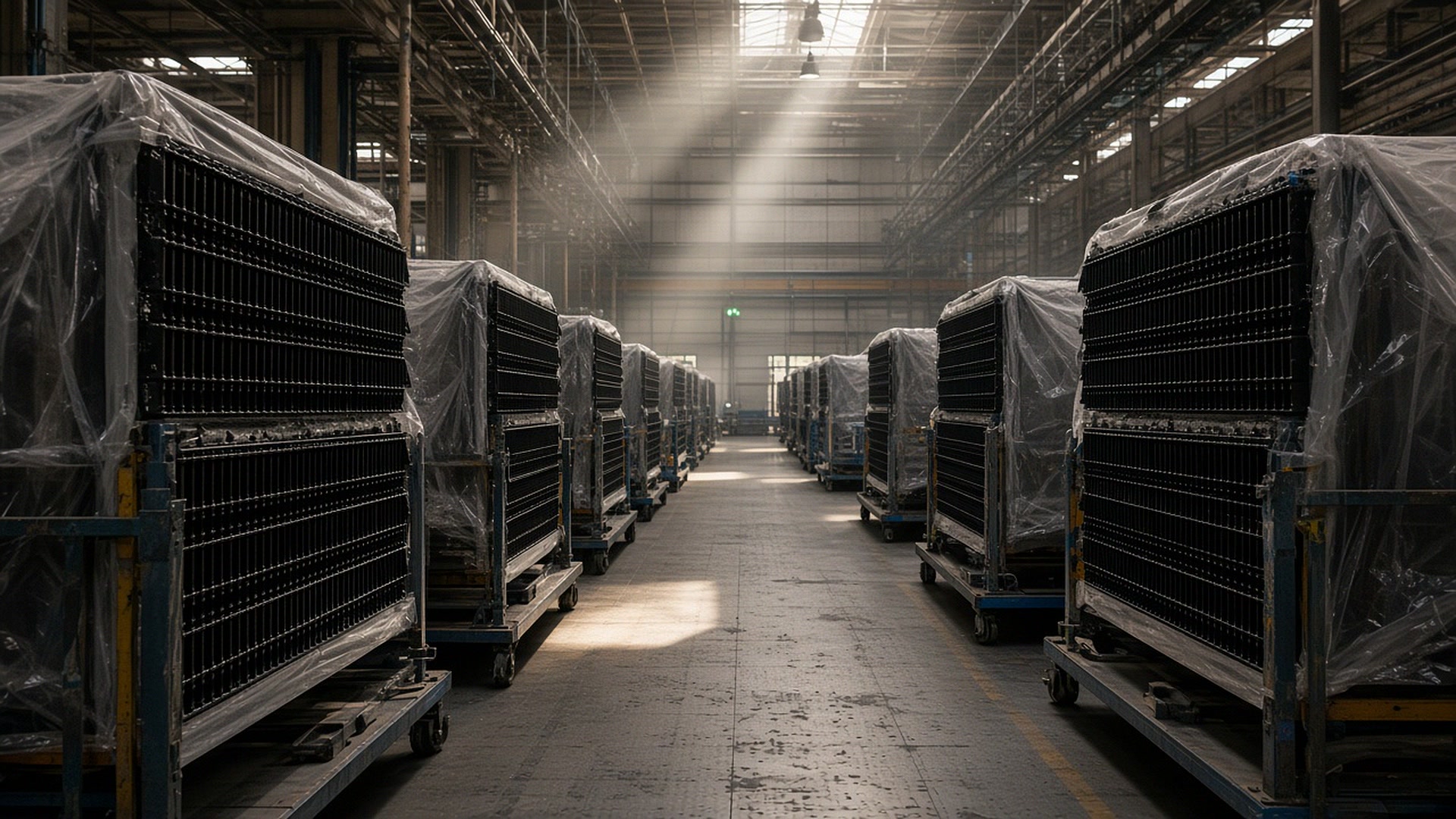
MDA Space has signed an authorization to proceed with Thales Alenia Space to begin work on antennas for the first 66 satellites of IRIS², the European Union's planned secure communications constellation. MDA announced the agreement on Oct. 30 and valued it at more than C$100 million. Via Satellite converts that to about $72 million.
An authorization to proceed lets a supplier start work before the final contract is signed. MDA's release says the definitive contract for its full scope of work is still subject to finalization, and that the agreement will enter its backlog in the fourth quarter of fiscal 2026. Until that contract is signed, the full value of MDA's role is not public.
The hardware is MDA's AURORA digital phased array antenna and a digital antenna controller. The antennas steer their beams electronically instead of moving a dish. They go into the communications payloads Thales Alenia Space is supplying for the constellation's first layer of low Earth orbit satellites, which Airbus is building for Eutelsat. MDA says the antennas will be designed, built and tested at its Montréal facility, and that the system is engineered for high-volume production. The first satellites in the layer are scheduled to launch in 2029.
The order sits two tiers below Eutelsat, the contracted operator of the constellation's low Earth orbit layer. Eutelsat buys the satellites, Thales Alenia Space supplies the payloads, and MDA supplies the antennas inside them. MDA now has a Canadian factory feeding a European sovereign program.
Funded scores, in part: the agreement pays for a start, not the full scope. Flown does not score, because no IRIS² satellite has launched. The antenna count in the authorization is 66.
Satellite manufacturing
Argotec raises €50 million to lift its small-satellite capacity from 52 to 80 a year
Argotec, the Italian small-satellite manufacturer based near Turin, has closed a €50 million funding round led by NUO Space, the space arm of Milan-based NUO. Payload, which reported the round on Oct. 29, puts it at about $55.8 million. Neither the valuation nor the size of NUO's stake has been disclosed.
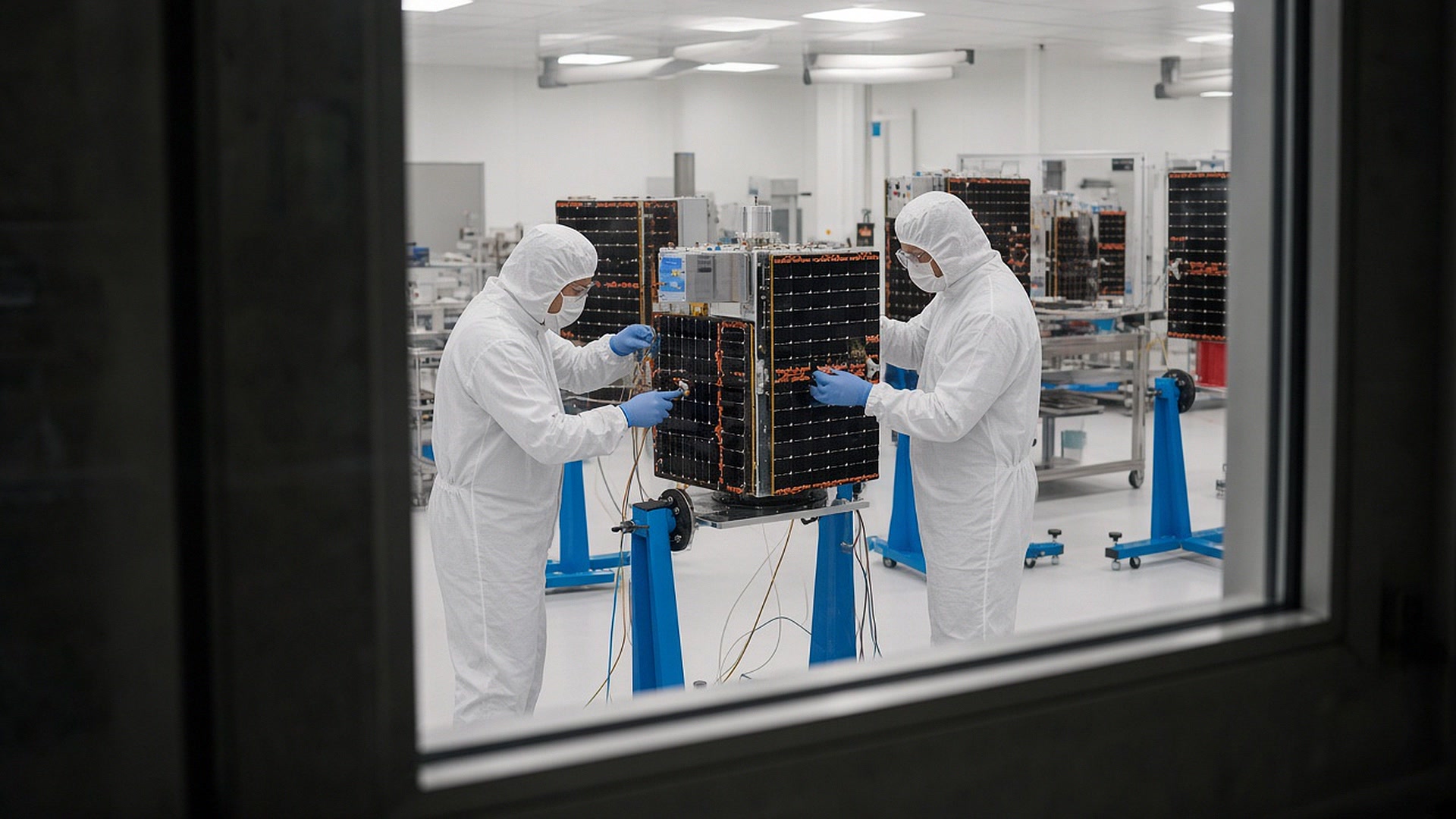
The number the money is meant to move is capacity. Corriere Comunicazioni reports that standardized platforms and parallel workstations at SpacePark give it the capacity to build 52 satellites a year, and Payload reports a target of 80. The 52 is stated capacity, not delivered output. The 80 is a target. SpacePark is the automated plant Argotec opened in 2024. Payload and Corriere Comunicazioni both report that Argotec builds satellites of up to 350 kilograms.
The round also pays for onboard data processing and artificial intelligence, faster integration at the plant Argotec opened this year in Melbourne, Florida, and a larger telecom and radio-frequency team in California. Argotec chief executive David Avino said the company is already working toward "a significantly larger follow-on round." No figure has been given for it.
The company has flown before. Its microsatellites rode with NASA's DART asteroid mission and with Artemis I, and Payload lists Italy's Hawk for Earth Observation constellation and an ESA space-weather mission among its upcoming programs.
The round scores funded. Flown scores on heritage, through two deep-space microsatellites. The step from 52 to 80 is a company target, and no customer order for that many satellites a year has been announced.
Space power
Kratos says it holds a $33.6 million subcontract for the power converter on NASA's nuclear Mars spacecraft
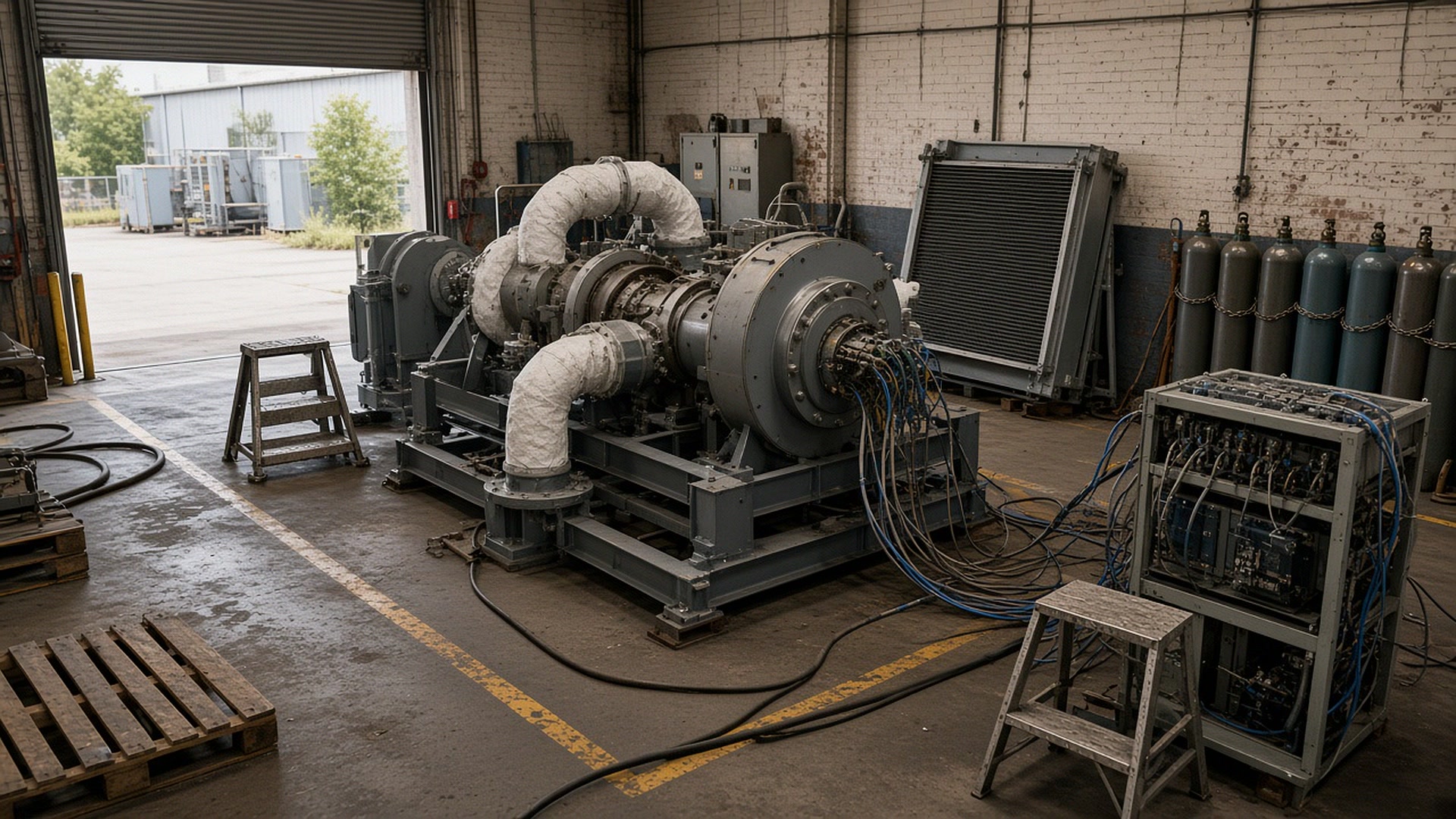
Kratos Defense & Security Solutions says it has received a $33.6 million subcontract to design, build and deliver the power conversion system for Space Reactor-1 Freedom, the nuclear-powered spacecraft NASA plans to send to Mars. Kratos announced the award on Oct. 28. The prime is Sierra Lobo, which holds NASA's Space Flight Systems Development and Operations Contract III at Glenn Research Center in Cleveland.
Federal records show NASA's side of that chain. USAspending lists two NASA delivery orders to Sierra Lobo for the spacecraft's power conversion system, worth $38.5 million and $37.2 million, both running from Aug. 28, 2026, to Dec. 31, 2027. The records do not name Kratos or show which order, if either, carries its subcontract, so the $33.6 million is Kratos's figure, not a federal one.
The hardware is a compact closed Brayton cycle converter. It takes heat from a fission reactor being designed at Idaho National Laboratory and turns it into electricity for the spacecraft's systems and electric thrusters. SpaceEnergy reports that NASA's published specifications call for a 20 kilowatt electrical system using high-assay low-enriched uranium fuel. SpaceEnergy reports that Freedom is meant to demonstrate nuclear electric propulsion beyond Earth orbit and deliver SkyFall, a set of Mars helicopters. Kratos calls it the first U.S. nuclear fission reactor-powered interplanetary spacecraft.
Power was the subject of Foothold 3, and SpaceEnergy reports that NASA expects the technology to support future lunar surface reactors.
Funded scores on Kratos's account, with NASA orders to the prime on the record. Flown does not: Freedom is targeted for launch in 2028. Second source does not score, with one converter supplier named.
Defense space
Britain pays Astroscale £15 million to build and fly a close-approach defense spacecraft
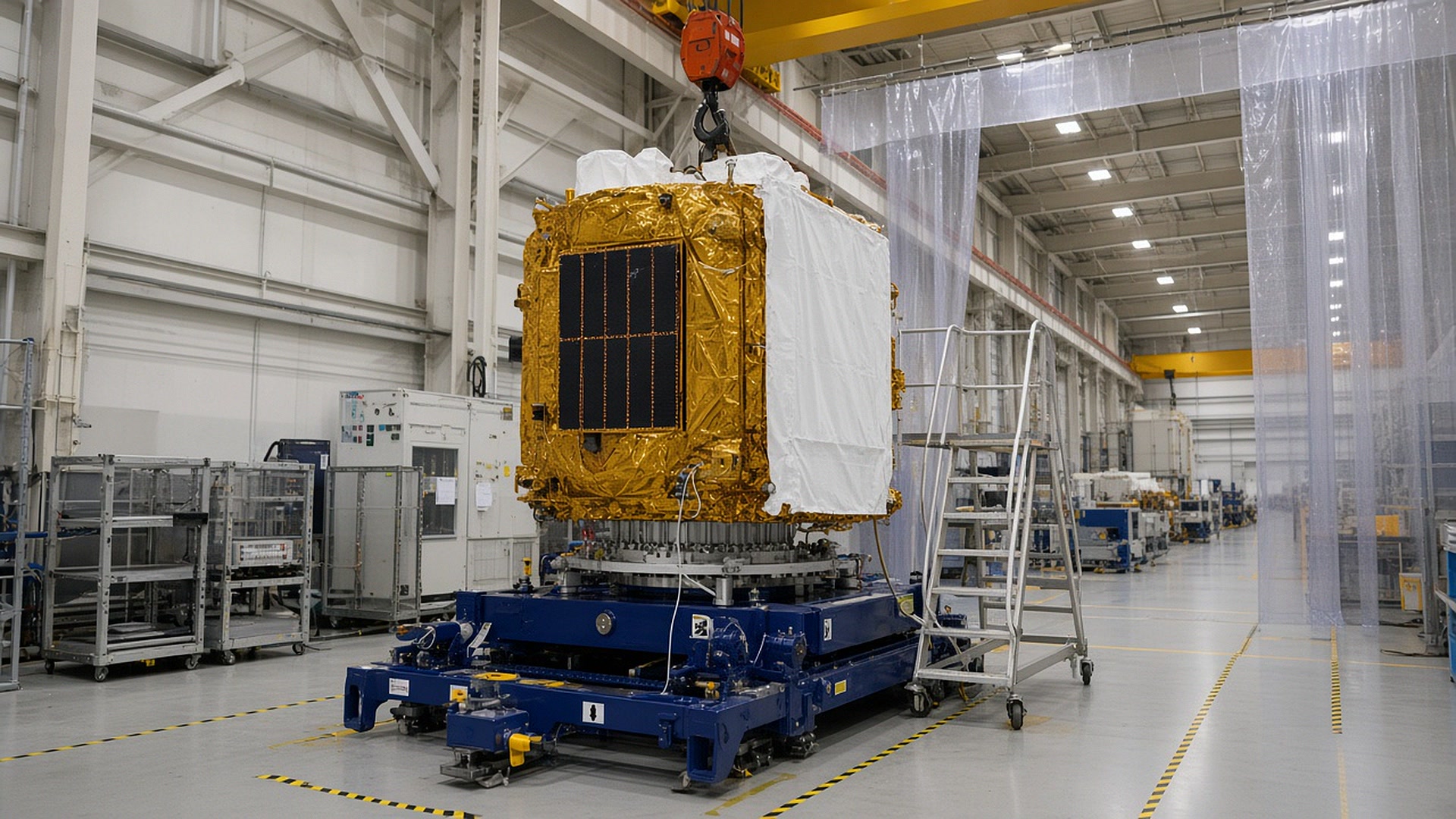
The UK Ministry of Defence has awarded Astroscale Ltd, the British subsidiary of Japan's Astroscale, a £15 million multi-year contract as prime contractor for Project LEDA. BAE Systems and Open Cosmos are supporting partners. The award was announced on Oct. 28. A filing by the parent company says the contract was signed on Sept. 29 and withheld details of the services at the customer's request.
LEDA covers the manufacture, launch and operation of spacecraft for rendezvous and proximity operations, the work of maneuvering close to another object in orbit. Rear Admiral Tony Williams, head of space capability at UK Space Command, said the project will form part of the "permanent pathway for UK's understanding of orbital warfare" and of how such spacecraft "might be employed to counter RPO threats."
The disclosure stops there. Neither the company nor the ministry has released a launch date, a spacecraft configuration or a split of the work between Astroscale, BAE Systems and Open Cosmos. IN Defence reports that no production quantity has been defined.
Astroscale brings flight experience to the job. Its ELSA-d mission demonstrated rendezvous and magnetic capture of a client spacecraft, and in 2024 ADRAS-J approached a spent rocket body to within 15 meters and inspected it. Astroscale's UK team developed ADRAS-J's ground segment and led its flight dynamics.
In written evidence to a Sept. 9 parliamentary inquiry, Astroscale said Britain risked falling behind in space control and called for additional investment in RPO capabilities, European Spaceflight reports.
Funded scores, at £15 million. Flown does not score: no LEDA spacecraft has been built or dated. Second source does not score, with one prime named.
In-space assembly
Rendezvous Robotics raises $20 million for satellites that assemble themselves in orbit
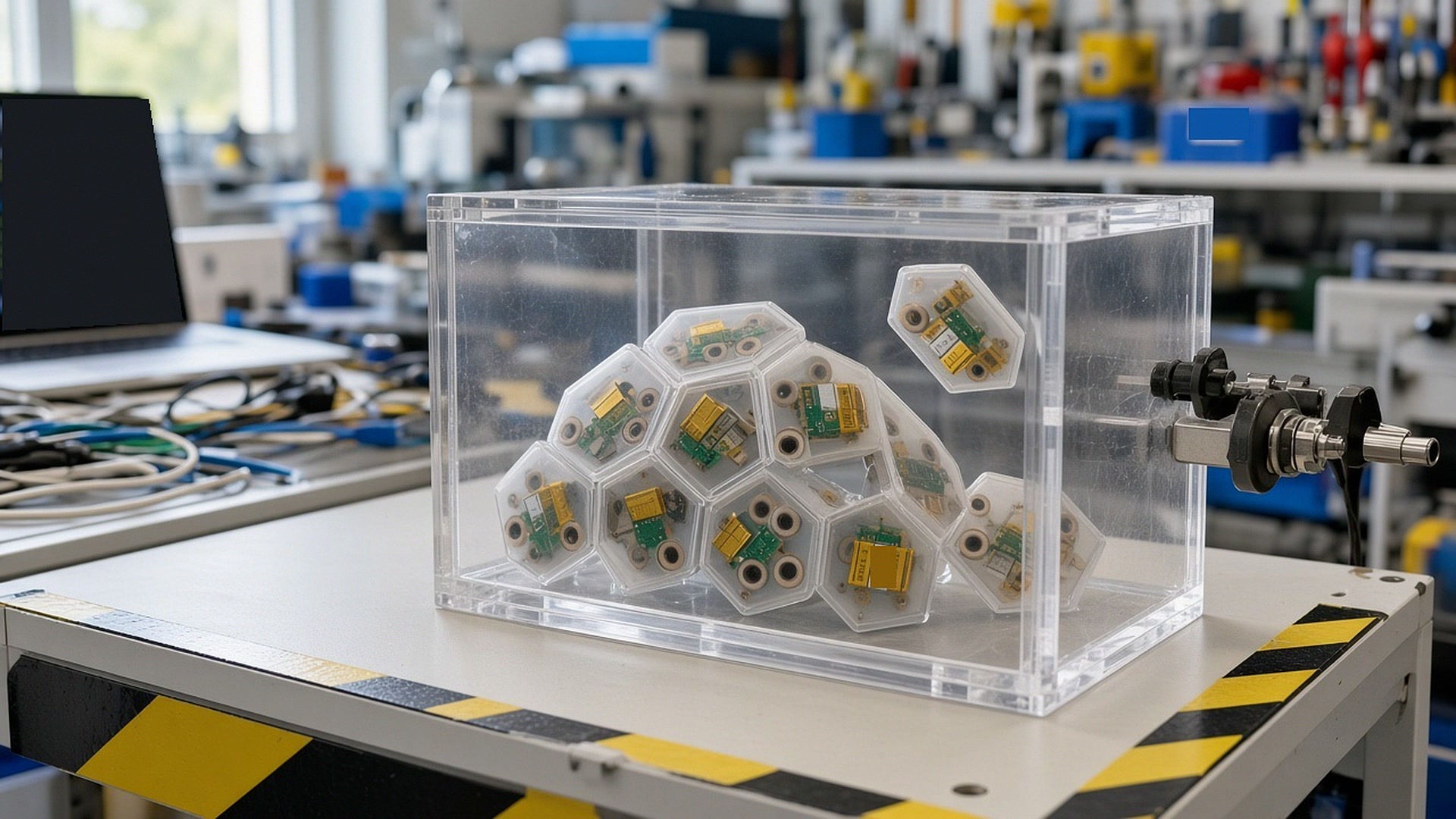
Rendezvous Robotics has raised a $20 million seed round led by MaC Venture Capital and Toyota Ventures. The company announced the round on Oct. 28.
Its hardware is a set of hexagonal tiles about a meter across, each with its own sensors and processing. The tiles launch separately, use electromagnets to maneuver and latch together, and form power and data connections when they join. The idea comes from TESSERAE, a research program cofounder Ariel Ekblaw began at the Massachusetts Institute of Technology. The company says it builds the magnets and core assembly systems in house and will work with partners for payloads and propulsion.
The tiles have flown on zero-gravity aircraft, one suborbital flight and two missions to the International Space Station, Payload reports. Next come a parabolic flight campaign in November and a 32-tile assembly test aboard the station in December, according to Via Satellite.
The orbital step is later. Payload reports the company's demonstration will launch no earlier than April 2028, sending seven tiles into open space to join into one working satellite, then separate and reassemble in a new shape, as Aviation Week describes it. Chief executive Joe Landon told Payload the company has narrowed its near-term focus to satellites that need more power, bigger antennas and more heat dissipation than a launch fairing allows.
Funded scores, at seed size. Flown scores only inside the station and on test flights. No customer has been announced.
In-space economy
Foothold 6 of 6: "Who writes the surface check"
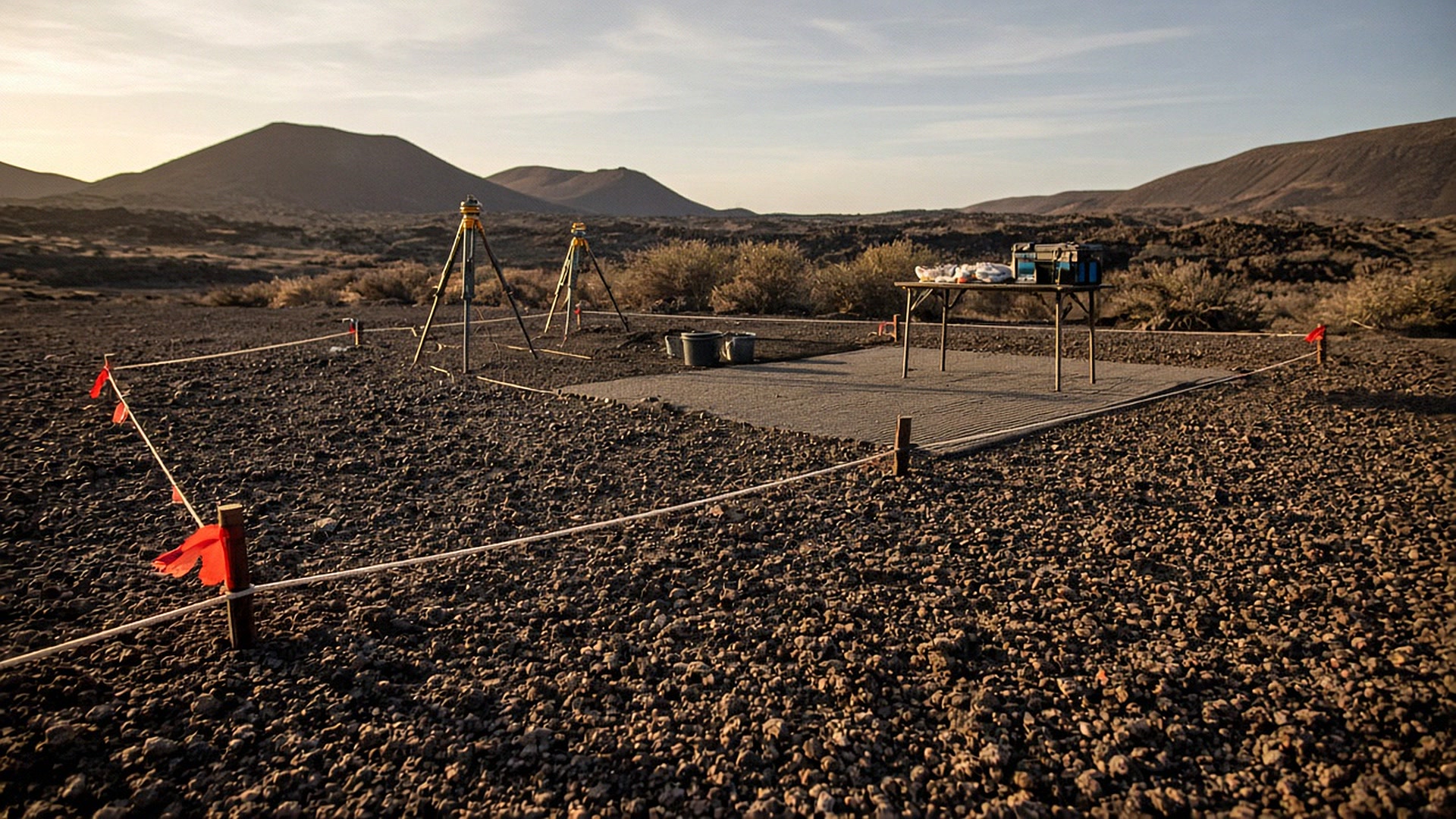
Mining closed on a buyer. A product on the Moon needs someone to pay for it, and that someone needs a verifiable seat on the surface. Foothold has spent five parts pricing that seat. The station retires on a schedule but proves nothing about the surface. Mass has to land, again and again. Power has to last through the night. Landers need second sources, so one failure does not end the program. Rovers and their rides are bought, while habitats are not. Foothold 5 left one question: who writes the surface check.
Today the answer is one buyer. NASA's March plan targets up to 30 robotic landings starting in 2027. According to NASA documents cited by The Planetary Society, the agency expects to spend about $20 billion on the lunar base over seven years and $6 billion on expanded lunar deliveries over the coming decade. Those are plans, and the first four deliveries have been ordered. In June NASA ordered four Moon Base deliveries for late 2028, nearly $600 million across Astrobotic, Firefly Aerospace and Intuitive Machines.
Recurring purchases need a contract built to repeat them. That is CLPS 2.0, the follow-on delivery contract. Proposals were due June 30. NASA's procurement page lists Nov. 7 as the planned award and contract start date, marks the schedule as preliminary, and shows the date was revised on Sept. 14, Sept. 22 and Oct. 6. Until NASA announces awardees, the contract that would buy landings on a schedule rather than one at a time has not been awarded.
Partners pay in kind. NASA's plan lists Japan's pressurized rover, Italy's multipurpose habitats and Canada's lunar utility vehicle as international contributions. Each is a piece of hardware a partner agency builds and brings, not a price paid to a supplier. That is real commitment, and it does not show up as a purchase.
Commercial buyers are the thinnest line. None of the June orders names a buyer other than NASA, and no outside customer has signed for a recurring delivery. This is where Mining's logic meets Foothold's: propellant, oxygen and metals need a buyer on the surface, and that buyer needs regular deliveries. Neither has signed yet.
The score for the surface check: funded, yes, for single orders and partner hardware. Landed, no; none of the Moon Base deliveries has flown, and NASA's June orders target late 2028. Second source, yes, with three lander companies on order. The gap is on the other side of the ledger. The check has one signature, and it is written one landing at a time.
The series ends where it began, on an invoice. CLPS 2.0 awarded, with task orders placed on it. A Moon Base delivery that lands in 2028. And a buyer other than NASA that signs for a recurring slot on the surface. When all three clear, the foothold is real: someone pays for surface logistics, and pays again.
End of issue 014
If this was useful, the next one lands in a few days.